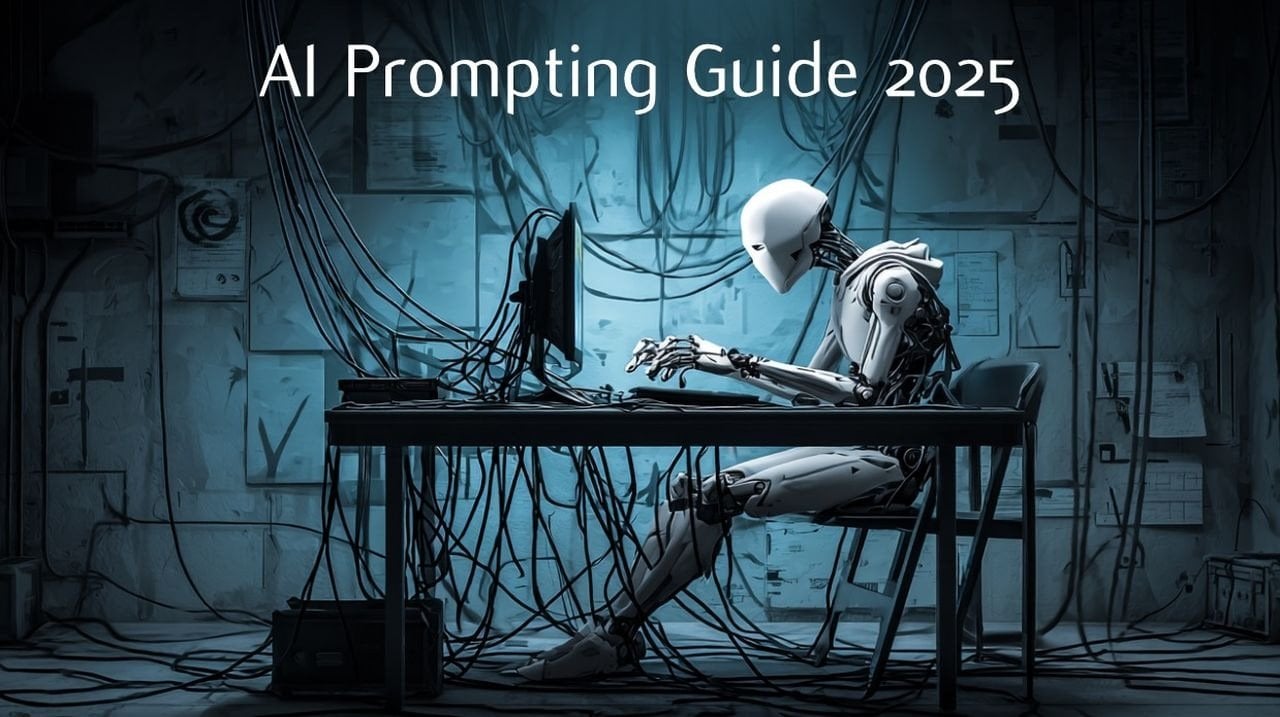
In the evolving landscape of technology, AI prompt writing has emerged as a crucial skill for maximizing the effectiveness of AI tools. Mastering this technique not only enhances engagement but also improves the quality of outputs significantly. As businesses increasingly rely on AI for various applications, the importance of crafting effective prompts has never been more critical. Studies show that well-structured prompts can lead to a 50% increase in relevant responses, highlighting the need for proficiency in this area. For more insights into the broader impact of AI on creativity, refer to this recent article discussing effective generative AI prompts.
Effective Techniques for AI Prompt Writing
To start with, understanding the audience is key. Tailoring the prompt to the user’s intent ensures that the AI’s output aligns closely with expectations. For instance, including specific instructions about the topic is vital. Additionally, using open-ended questions encourages more detailed and nuanced responses. Consider the following strategies:
- Specify the format of the output, whether it’s a list, a narrative, or a summary.
- Use context to guide the AI’s understanding—this can be achieved by providing background information relevant to the topic.
- Ask the AI to consider various perspectives, encouraging it to generate richer content.
Such techniques streamline the interaction with AI, making it easier to harness its full potential. For a deeper dive into enhancing your writing efficiency using tools, explore this resource.
Common Pitfalls in AI Prompt Writing
While crafting prompts, it’s equally important to avoid common mistakes that can undermine the quality of the outputs. One frequent issue is being overly vague. For instance, asking “Tell me about dogs” without any specific direction can lead to generic responses. Instead, try asking, “What are the main characteristics of therapy dogs and their roles in mental health?” This specificity encourages the AI to provide more targeted information.
Another pitfall is using complex jargon that may confuse the AI. Keep the language simple and straightforward, ensuring clarity in your requests. Furthermore, adjusting prompts based on previous interactions with AI can drastically improve results. Feedback is essential—analyzing what worked and what didn’t can refine future prompts.
🌟 Important Tips for Crafting Prompts
- Keep it clear: Avoid ambiguity in your prompts.
- Use context: Provide relevant background information.
How AI Is Transforming the Writing Landscape
AI’s role in writing is transformative, offering tools that can enhance creativity and productivity. The integration of AI technology into personal and professional writing processes is redefining how we approach creativity. Many industries have begun to adopt AI for content creation, marketing, and even customer service. For instance, AI can assist solopreneurs by streamlining communication and enhancing engagement, as highlighted in this insightful article.
Key Takeaways and Final Thoughts
Mastering AI prompt writing is essential for leveraging the full power of AI tools. By employing effective techniques and avoiding common pitfalls, writers can enhance their productivity and creativity. Remember to keep prompts specific, clear, and responsive to the AI’s previous output. As AI continues to evolve, so too should our methods in crafting prompts to maximize their potential.
To learn more about the impact of AI on marketing and productivity, consider checking out this article.
To deepen this topic, check our detailed analyses on Gadgets & Devices section.