In today’s rapidly evolving technological landscape, the emergence of artificial intelligence is reshaping entire industries. One of the most striking transformations is the AI ERP disruption, which promises to revolutionize enterprise resource planning as we know it. A surprising statistic reveals that legacy ERP systems, often outdated and cumbersome, have dominated the market for decades, raking in a staggering $500 billion. Enter DualEntry, a New York-based startup that has recently made headlines by raising $90 million in Series A funding to tackle these antiquated systems head-on. The demand for a more efficient, AI-powered solution has never been more critical, and the founders of DualEntry believe they have the answer. Their vision delivers not only a streamlined approach for finance teams but also a complete reimagination of accounting in the digital age.
Understanding the AI ERP Disruption
The traditional landscape of enterprise resource planning has been marred by high costs, lengthy implementation times, and systems that have not evolved with technology. DualEntry aims to change this with their AI-native ERP platform. They have made incredible strides in automating financial workflows and reducing implementation times from months or even years to just a single day. Their platform has processed over $100 billion in journal entries, demonstrating its capability and scalability across more than 50 countries.
This AI ERP disruption is not merely a trend; it reflects a significant shift in how businesses operate. By leveraging artificial intelligence, DualEntry offers tools that simplify complex financial processes. The potential benefits for companies embracing this technology include:
- Reduced manual entry: Automating routine tasks helps teams focus on strategic activities.
- Faster decision-making: Real-time data access enables quicker financial assessments.
- Cost savings: Lower implementation costs compared to legacy systems.
The Founders’ Vision for the Future
Co-founders Santiago Nestares and Benedict Dohmen know the pain points of traditional ERP systems all too well. During their time at Benitago Group, they experienced the clunky, outdated systems that dominate the industry. Upon raising more than $380 million for their previous venture, they realized the need for a better approach.
As Nestares put it, “When we built our last company to $100 million of annual revenue, we outgrew our starter accounting system and needed a system that matched our scale.” With AI ERP disruption in mind, they designed a platform that automates 90% of manual tasks and goes live in just 24 hours. This transition from cumbersome setups to an intuitive platform exemplifies how DualEntry is redefining the ERP sector.
Seamless Integration and Customer Success
The centerpiece of DualEntry’s offering is the NextDay Migration engine, touted as the world’s first ERP migration solution. It allows for the seamless transfer of data from legacy systems like SAP and Microsoft Dynamics in record time. This capability is crucial for businesses looking to transition to modern workflows without losing vital information.
For example, Slash, a banking platform with over $100 million in ARR, has streamlined its operations using DualEntry, managing with a finance team of just one. CEO Victor Cardenas states, “We’ve always prided ourselves on being lean, and now that we work with DualEntry, our aim is to reach $1 billion in revenue with a minimal team.”
Moreover, Trillion Digital, a crypto trading firm, has significantly improved its operational efficiency by closing its books daily instead of after a 15-day delay, thanks to the capabilities of DualEntry.
Investor Confidence in AI-Driven Solutions
The reception of DualEntry’s platform has attracted significant attention from investors and industry experts alike. With a $500 billion ERP market ripe for innovation, DualEntry’s AI-driven approach is timely. “The ERP market represents a massive opportunity that has remained largely unchanged,” notes Ravi Mhatre from Lightspeed. Investors are excited by the notion that legacy systems could soon be replaced by agile, intelligent solutions.
Vinod Khosla adds, “For over 30 years, legacy ERP providers have dominated the market with outdated, inflexible systems. A truly AI-native system would drastically reduce implementation cost and operative complexity.” These sentiments reflect a growing belief that the potential of AI can fundamentally alter the landscape of enterprise resource planning.
Looking to the Future
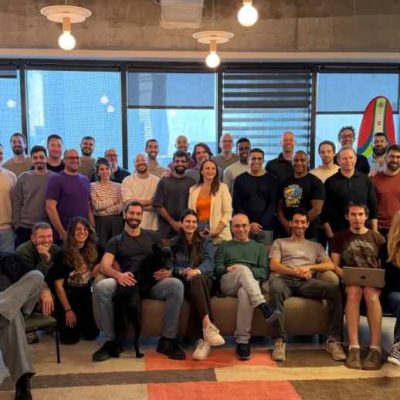
As DualEntry continues to make waves with its innovative solutions, the company is poised for substantial growth. With a team of 40 and plans to expand internationally, they are addressing the impending workforce shift, as 75% of CPAs are set to retire within the next decade. This timely evolution from outdated systems to AI-native configurations could determine which companies thrive in the coming era.
The companies that fail to transition from traditional to AI-driven systems now face the risk of being left behind. Not only does AI present an opportunity for increased efficiency, but it also positions firms to adapt in the face of significant industry changes.
To deepen this topic, check our detailed analyses on Tech Startups section
For more related insights, explore these articles: similar to strategies discussed in Faze Clan’s controversy and the rise of Kai Cenat during Mafiathon 3. Moreover, the Adin Ross controversy and the impact of social media debates can provide deeper context to the dynamics of today’s market.