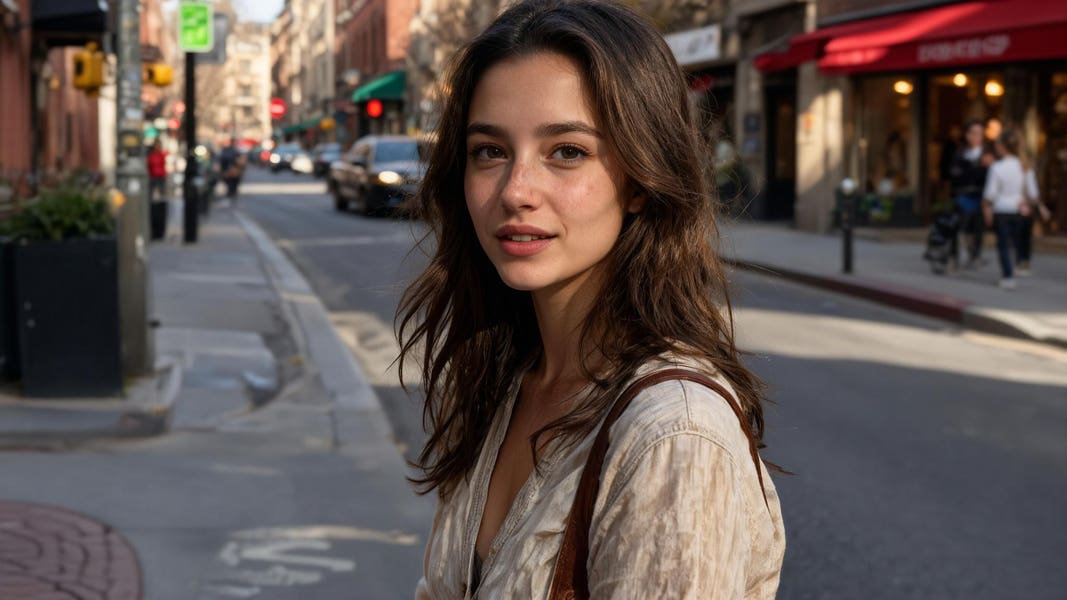
In an era where technology is evolving at breakneck speed, the emergence of AI-driven personalities is both astonishing and hotly debated. One such figure capturing attention is the AI actress Tilly Norwood, ramping up conversation on social media and challenging perceptions about artificial intelligence. With recent findings revealing that 71% of Americans express concern over job displacement due to AI, it’s no surprise that responses to Tilly’s demo reel have been mixed. As discussions unfold across platforms like Instagram, it becomes evident that the impact of AI extends beyond entertainment — it could redefine the very fabric of how we view work and creativity. This article explores the nuances surrounding AI actress Tilly Norwood, shedding light on the reactions to her emergence and the broader implications of AI in the creative industry.
Understanding the Buzz Around AI Actress Tilly Norwood
The reactions to AI actress Tilly Norwood have been a mix of awe and apprehension. Eline van der Velden, the Founder and CEO of Particle6, the company behind Tilly, noted a significant mix of feedback. She stated, “There were lots of positive responses but also negatives. To some, AI is scary–most people know very little about it at present.” This sentiment mirrors the concerns voiced in a Pew Research report, emphasizing that over half of Americans worry that AI will lead to fewer job opportunities.
The drama around AI extends beyond Tilly Norwood’s captivating visuals. A parallel case involves the AI “artist” Breaking Rust, which recently topped Billboard charts. Critics quickly dismissed its content as devoid of depth, stirring debate about the authenticity of AI-generated art. As highlighted in our analysis of gaming priorities, perceptions of AI are shaped by fear of losing the emotional connection that human creators bring to their work. Just like the mixed opinions surrounding Tilly, this AI “artist” ignited discussions on the future of creative professions.
The Ethical Considerations Behind AI Actors
As AI actress Tilly Norwood continues to gain prominence, ethical questions surrounding her existence grow louder. Many wonder if AI should be viewed as merely a tool, or if it inherently possesses some creative essence. Van der Velden emphasizes that the creators of AI characters put immense effort into each detail. “Tilly Norwood has a team of 15 people behind her…and we are currently working behind the scenes on creating her brain and building her whole persona, using ethical guardrails.” This insight reignites the age-old debate about whether AI can ever possess traits like soul or humanity.
In many ways, the response to Tilly Norwood reflects a broader societal concern regarding the implications of burgeoning AI technology. Similar to findings in our article about AI parenting, the anxiety surrounding autonomy and ethics is prevalent across various spectrums.
Contrasting AI with Human Creativity
Despite concerns regarding AI actress Tilly Norwood, the inevitability of her existence raises fascinating discussions about the evolution of artistry. Van der Velden argues that ultimately, AI content can coexist with human creativity. Just as CGI and animation revolutionized film, AI-enabled figures like Tilly present unprecedented opportunities in storytelling and visual narratives.
This intersection of technology and artistry might remind some of the debates surrounding works created by AI, including controversies noted in our article on Valkyrae’s controversies and her impact on music, streaming, and engagement. In both scenarios, the question emerges: As creators, where do we draw the line between innovation and authenticity?
Envisioning the Future of AI in Film and Beyond
What does the future hold for AI actress Tilly Norwood and her ilk? The pressing need for consensus in how we approach AI content is immediate. With reactionary discussions already saturating social media, the argument becomes clearer: we must find a balance that respects both innovation and human artistry. As Van der Velden pointed out at the Web Summit, the stakes have been raised significantly with Tilly’s advance into public consciousness.
Similar to how business landscapes change as discussed in our review of modern relationships, the dialogue surrounding AI and artistry is bound to evolve. It’s crucial that stakeholders identify ways to responsibly gauge the influence of AI in creative fields.
Conclusion: Embracing AI with Caution
The introduction of AI actress Tilly Norwood serves as a multifaceted case study illuminating both the promise and potential pitfalls of AI in creative industries. With the ability to captivate audiences while simultaneously sparking fears about job security, the dialogue surrounding Tilly is emblematic of a larger narrative on the role of technology in artistry. As we stand at this crossroads, it’s vital to approach these developments with caution, creativity, and an understanding of the need for ethical frameworks.
To deepen this topic, check our detailed analyses on Social Media section