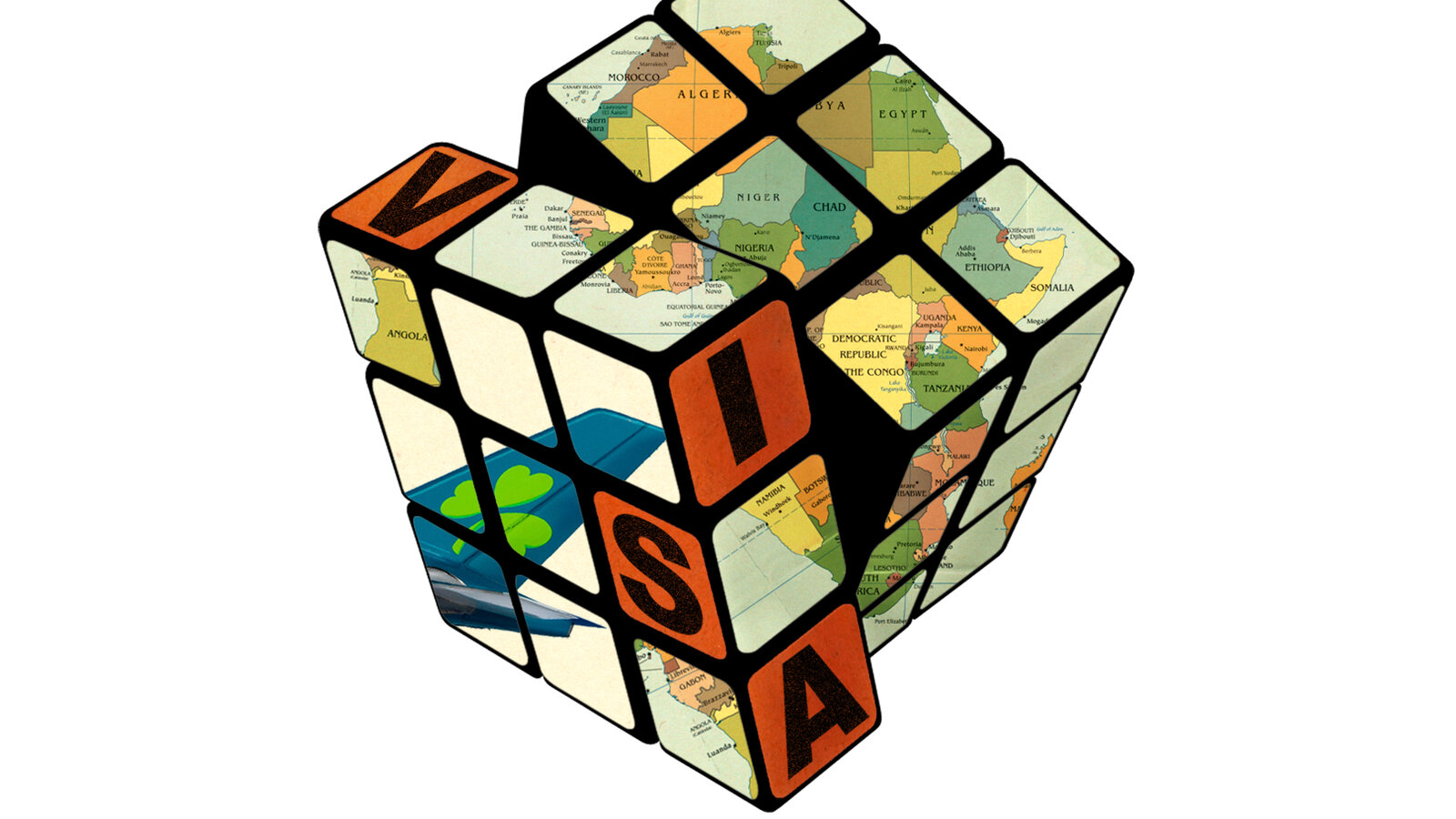
Travel can be a thrilling adventure, but it can also come with unexpected challenges, especially when it involves international flights and visa requirements. Recently, the Aer Lingus visa issue made headlines, highlighting the confusion and frustration that can arise from mistaken travel documentation. A Ugandan citizen faced denial of boarding due to a misunderstanding regarding a transit visa requirement, despite clear evidence pointing to the contrary. This incident raises crucial questions about the responsibilities of airlines and the impact on travelers when such issues occur. In this article, we will explore the complexities surrounding visa requirements, examine the implications of the Aer Lingus visa issue, and discuss the responsibilities airlines have towards their passengers.
Understanding the Aer Lingus Visa Issue
The recent dilemma involving Aer Lingus serves as a case study on the critical importance of understanding visa regulations. A Ugandan academic traveling from Newark to Amsterdam was informed by airline staff that she needed a transit visa to pass through Dublin, despite her nationality not being on the list of countries requiring such documentation. This incident underscores a significant flaw in operational training and knowledge regarding visa requirements for airline personnel. With travelers relying on airlines to navigate these complex regulations, such errors can lead to substantial financial and emotional costs.
As highlighted in similar situations, many travelers are left stranded because of erroneous information dispensed at airline counters. The story of the traveler who secured a one-way ticket for $964 with another airline after being turned away illustrates the fiscal repercussions of the Aer Lingus visa issue. Such events are detrimental not only to individual travelers but can potentially tarnish the reputation of the airline itself. Therefore, it is imperative for airlines to maintain up-to-date training and have further checks in place when verifying visa requirements.
- Ensure all staff are equipped with accurate information regarding visa requirements.
- Conduct regular training sessions to update employees on changes to visa policies.
Impact on Airline Operations and Passenger Rights
Airlines face complex regulations, and mistakes made by airline personnel can lead to severe consequences. In the unfortunate incident concerning Aer Lingus, a significant question arose regarding staff adherence to standard operating procedures. Despite having access to real-time data systems, misunderstandings persisted regarding African nations’ visa statuses. The importance of proper visa verification protocols cannot be overstated, as errors can lead not only to passenger inconvenience but also hefty fines for airlines when regulations are breached.
In a related context, the rights of airline passengers must also be emphasized. Similar to the topics explored in our analysis of airline passenger rights, it’s vital for travelers to be aware of their entitlements during such disputes. The lack of timely responses to complaints and disputes over incorrect visa information can lead to a feeling of helplessness among travelers. Airlines should develop streamlined complaint handling processes to ensure passengers receive timely responses and compensation, where warranted.
- Educate passengers about their rights when faced with visa issues.
- Implement easy-to-navigate complaint resolution channels.
Lessons Learned from the Aer Lingus Incident
The Aer Lingus visa issue serves as a wake-up call for both airlines and travelers alike. It emphasizes the need for vigilance on the part of both parties in understanding visa requirements. To mitigate such issues in the future, airlines can adopt several proactive measures. For example, integrating accessible resources for travelers regarding transit visa necessity, which can be found on their official websites or through mobile applications, can be invaluable.
Moreover, it is essential for travelers to conduct thorough research before embarking on their journeys. Understanding the potential challenges and verifying visa information can greatly enhance travel experiences. This shared responsibility between airlines and travelers can contribute to a more seamless flying experience. Empowerment through knowledge is key in avoiding such unfortunate incidents.
The Role of Technology in Resolving Visa Confusion
Advancements in technology have transformed the travel industry, making information more accessible than ever before. Systems like Timatic, which provide real-time visa regulations, should be the standard tool for airline staff. Despite the existing technology, the Aer Lingus visa issue demonstrates that reliance on these systems must be matched by adequate employee training and compliance.
Utilizing these tools not just benefits airlines, butly ensures that passengers have the correct documents needed for travel. As airlines strive to avoid penalties for incorrect boarding, they must invest in both technology and education to reduce the incidences of misinformation. Moreover, as we prepare for the future of travel, the potential role of AI coding tools could redefine these processes. Harnessing AI to decipher and distribute correct visa information might provide a permanent solution to the issues highlighted by the Aer Lingus visa issue.
Moving Forward: Strategies for Airlines and Travelers
The implications of the Aer Lingus visa issue extend beyond individual cases. They reflect a broader narrative regarding how the travel industry handles complex regulations and the essential dialogue between airlines and passengers. Moving forward, adopting robust strategies is crucial for both parties.
Travelers should prioritize the following:
- Research thoroughly before booking international flights.
- Keep updated with any changes to visa regulations specific to their nationality.
On the other hand, airlines can:
- Streamline communication processes to provide timely information to passengers.
- Enhance employee training to ensure robust knowledge of visa requirements.
Only by fostering a collaborative environment can both airlines and travelers ensure a smooth journey free from the concerns associated with visa errors. As travelers become more educated, and airlines remain accountable, such incidents as the Aer Lingus visa issue may become a thing of the past.
To deepen this topic, check our detailed analyses on Travel & Tourism section