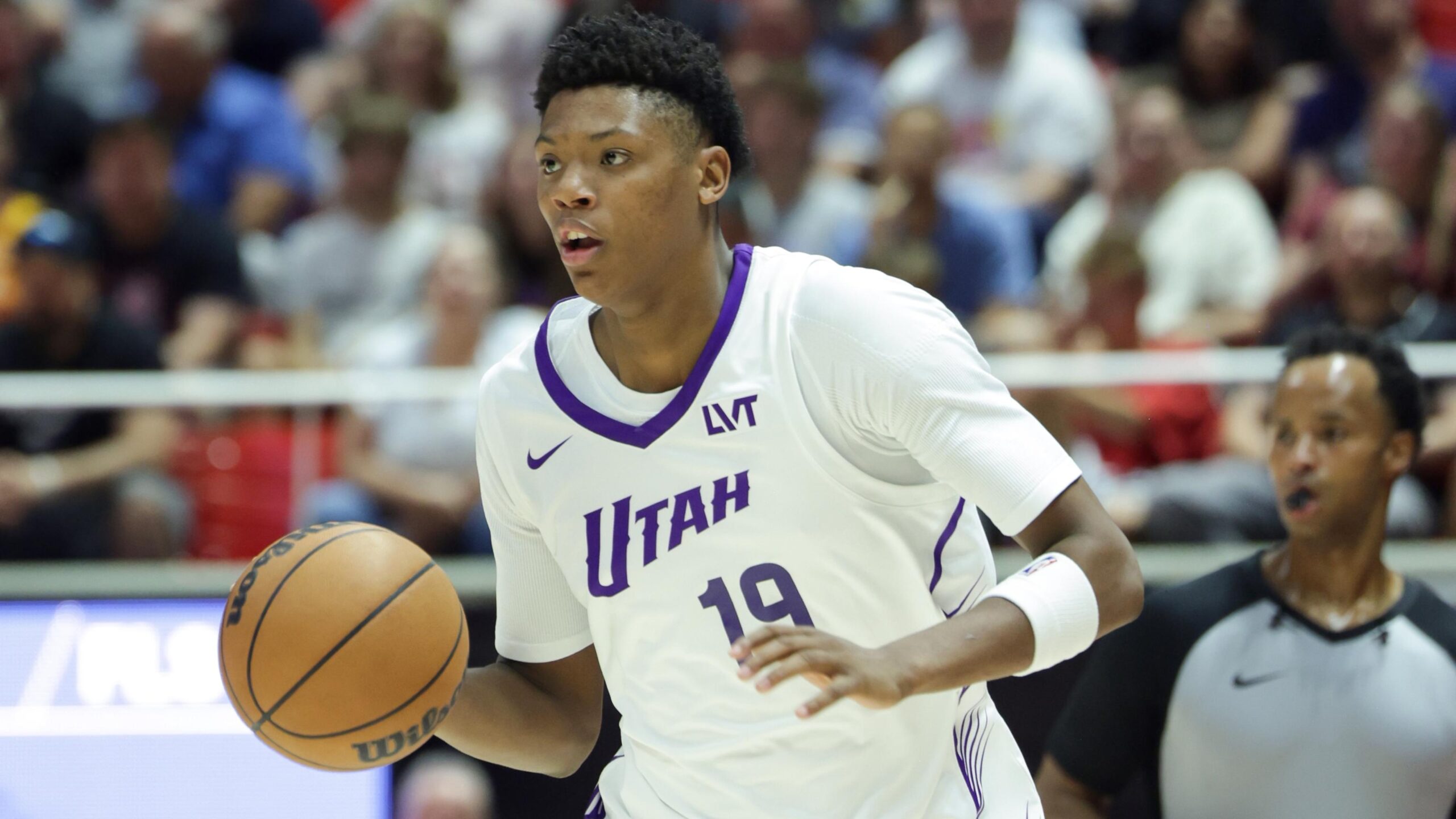
A surprising turn of events unfolded in the NBA as Ace Bailey manager Omar Cooper and the young talent parted ways after a whirlwind draft experience. Bailey, who was selected by the Utah Jazz with the No. 5 overall pick in the 2025 NBA Draft, had initially aimed for a different path. As the dust settles, Bailey is now on the hunt for new representation. This transition comes with heightened expectations for Bailey, who had a standout freshman year at Rutgers, averaging 17.6 points, 7.2 rebounds, and 1.3 assists per game. In this article, we delve deeper into why Ace Bailey’s career trajectory is promising and significant within the league.
The Impact of Ace Bailey’s Managerial Shift
The decision for Ace Bailey manager Omar Cooper to step away from his role was not made lightly. Reportedly, Cooper’s management methods, focused on placing Bailey with an East Coast team, deviated from what the player wanted. This disconnect reflects the vital importance of alignment between an athlete and their representative. As many athletes know, having the right guidance is crucial, especially in the high-stakes environment of the NBA.
The nuances involved in selecting a manager or agent are profound, often impacting everything from contract negotiations to career longevity. As Bailey looks for new representation, he might consider focusing on several critical factors:
- Career Goals: Choosing a manager who shares and understands Bailey’s aspirations can create a more fruitful partnership.
- Networking: A manager with extensive connections in the league can open doors and create opportunities.
- Negotiation Skills: Having a professional adept at securing favorable terms can significantly influence an athlete’s financial success.
These considerations will not only shape Bailey’s immediate future but could also define his trajectory in the league, ensuring he receives opportunities that align with his career goals.
Ace Bailey: Rising Star of the Utah Jazz
Enter Ace Bailey, a promising rookie expected to lead the Jazz’s young core that includes talents like Keyonte George and Isaiah Collier. Standing at 6’9”, Bailey brings versatility and skill that made him a highly sought-after prospect. His impressive college stats—especially a shooting percentage of 46% from the field and 34.6% from beyond the arc—demonstrate his ability to contribute immediately at the professional level.
The Jazz’s decision to draft Bailey was not a spontaneous moment; it was part of a strategic plan to develop a winning unit. However, the drama surrounding the NBA draft, particularly regarding Bailey’s preferences for destination teams, highlights the evolving dynamics within sports management. Comparatively, discussions on athlete management reflect similar challenges and choices faced by emerging sports talents.
Bailey has the potential to make a significant impact in the league, but it will depend on his adaptation and how well he integrates into a system designed for growth and success.
Examining Ace Bailey’s Rookie Season Outlook
As Ace Bailey embarks on his rookie journey, the expectations are considerable. Many analysts see him as a key piece in Utah’s quest for success, and brands are beginning to take notice. The relationship between performance, marketability, and managerial decisions plays a pivotal role here.
Fans and insiders alike are keen to see how Bailey steps into a professional role, especially given the intense competition within the Jazz locker room and the larger NBA scene. Recently reflected in analyses of player trajectories, the stakes have never been higher for rookies like Bailey.
Highlighting his collegiate achievements, Bailey’s transition presents an opportunity not just for personal growth but for paving the way for future players who are inspired by his journey.
The Importance of Strategic Decision-Making in an Athlete’s Career
Beyond just the drafting process, the overall strategic approach an athlete takes can significantly influence their career longevity and success. The departure of Ace Bailey manager Omar Cooper may be a reconsideration of strategies, especially if previous decisions were not yielding the desired outcomes.
In the highly competitive realm of the NBA, every decision matters. From contract negotiations to training regimes, strategic decisions can lead to either fulfilling careers or abrupt downfalls. Therefore, moving forward, Bailey’s next managerial choice must empower him to push the boundaries of what is possible.
The choices made today will undoubtedly affect Bailey’s brand and his ability to secure endorsements. Strategic positioning within a sports climate that favors marketability and performance will determine his financial stability and legacy in the league.
Conclusion: A New Chapter for Ace Bailey
As Ace Bailey navigates this pivotal phase of his career, it’s clear that the path ahead is both exciting and challenging. The departure from Ace Bailey manager Omar Cooper opens the door for new opportunities and directions. While Bailey is widely recognized for his talent and potential, it’s the decisions made off the court that will ultimately shape his career.
In conclusion, the future looks bright for Bailey as he joins the ranks of NBA greats, but only if he continues to make thoughtful choices in his representation and career strategy.
To deepen this topic, check our detailed analyses on Basketball section