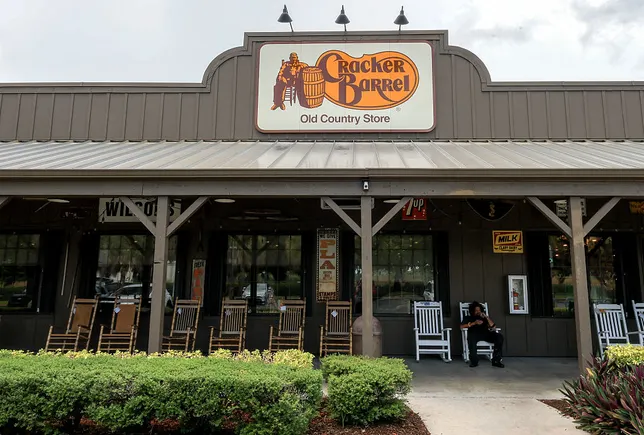
In recent months, the restaurant industry has witnessed significant shifts, especially concerning Cracker Barrel leadership changes. The dining chain has been making headlines not just for its menu innovations but also for the crucial adjustments within its executive team. Did you know that consumer feedback played a pivotal role in steering these changes? Amid significant backlash following its decision to alter the company’s logo and redesign its restaurants, Cracker Barrel acted swiftly to restore consumer confidence and streamline its operations. This article explores the Cracker Barrel leadership changes and what they signify for the brand’s future.
Understanding the Motivation Behind Cracker Barrel Leadership Changes
Cracker Barrel’s recent overhaul of its leadership structure is rooted in a desire to enhance customer experience and field operations. This strategic move was partly triggered by public dissatisfaction with the new branding, particularly the removal of a beloved logo icon. According to company officials, these Cracker Barrel leadership changes aim to reduce operational layers and foster an environment focused on quality and care. The adjustments come at a time when the restaurant chain anticipates an 8% drop in traffic during its fiscal Q1 2026 due to the adverse reactions to its logo.
Furthermore, new appointments and promotions have positioned seasoned professionals in critical roles. For instance, Doug Hisel’s promotion to senior vice president of store operations reflects the chain’s commitment to operational excellence, given his 18 years of experience within the company. Leadership stability and deep familiarity with the brand are crucial in navigating these turbulent times.
As explored in our analysis of leadership skills during layoffs, effective leadership can profoundly influence team dynamics and customer perceptions, a principle Cracker Barrel is embracing as it seeks to move forward.
Impacts of Consumer Feedback on Cracker Barrel Leadership Changes
The importance of consumer sentiment cannot be overstated, especially in the restaurant sector. Cracker Barrel faced a significant backlash after unveiling its redesigned logo and the accompanying restaurant facelifts. Customers expressed their disapproval across various platforms, leading the company to reevaluate its strategies. This backlash underlines the critical link between leadership decisions and customer satisfaction.
Cracker Barrel’s decision to cut ties with Prophet, the brand consultancy responsible for the rebranding initiatives, reflects a strong response to this feedback. Companies must remain adaptable and responsive to their audience’s preferences. As noted in the article on worker pessimism unlocking opportunities for top talent access, feedback is not merely a metric; it is a gateway to understanding consumer expectations.
The leadership team’s willingness to pivot quickly showcases an understanding of the market’s dynamics, a trait explored in our examination of strategic leadership skills.
A New Vision for Cracker Barrel’s Operations
The structural changes within Cracker Barrel are not just about personnel; they represent a new vision for the company’s operations. With new leadership comes a fresh perspective on menu offerings, dining experiences, and customer service strategies. Thomas Yun’s return as vice president of menu strategy and innovation is especially promising. His previous success in developing popular menu items indicates that he could inspire culinary creativity tailored to evolving consumer tastes.
In connection with the recent changes, it is essential for Cracker Barrel to ensure its leadership team embodies the brand’s values. A focus on innovation and quality is paramount, especially as they gear up for the holiday season, which is notoriously critical for restaurant traffic and revenue. The insights shared in our exploration of micro-stories in leadership can greatly enhance both employee and customer engagement, enriching the brand story Cracker Barrel aims to present.
Looking Ahead: What Lies Beyond Cracker Barrel Leadership Changes
As Cracker Barrel moves forward, the emphasis on creating memorable dining experiences remains a cornerstone of its strategy. In the wake of leadership changes, CEO Julie Masino stated a commitment to ongoing improvements that fortify the brand’s legacy. The focus on every detail – from the food served to the way guests are greeted – embodies the exceptional care and quality consumers expect from this restaurant chain.
In navigating these changes, it is mixed signals that restaurant brands often face. The need to innovate while respecting core traditions can be a tightrope act. Reflecting on lessons learned, Cracker Barrel must focus on clear communication with its customer base to regain their trust and ensure sustained patronage.
These ongoing transformations can be related to effective leadership practices highlighted in our article on executive presence tips for quiet professionals, as strong leadership involves not just making decisions but also communicating those decisions in ways that resonate with both the team and the consumer.
Conclusion: Embracing Change for a Better Future
The recent Cracker Barrel leadership changes represent a critical turning point in the chain’s ongoing evolution. By addressing consumer dissatisfaction head-on and reshaping its leadership, Cracker Barrel is committed to fostering an environment where quality and traditional values can coexist with modern expectations. As they strategize to rebuild their image and functionality, the brand’s proactive approach to feedback and leadership will be crucial for future success.
To deepen this topic, check our detailed analyses in the Marketing & Advertising section.