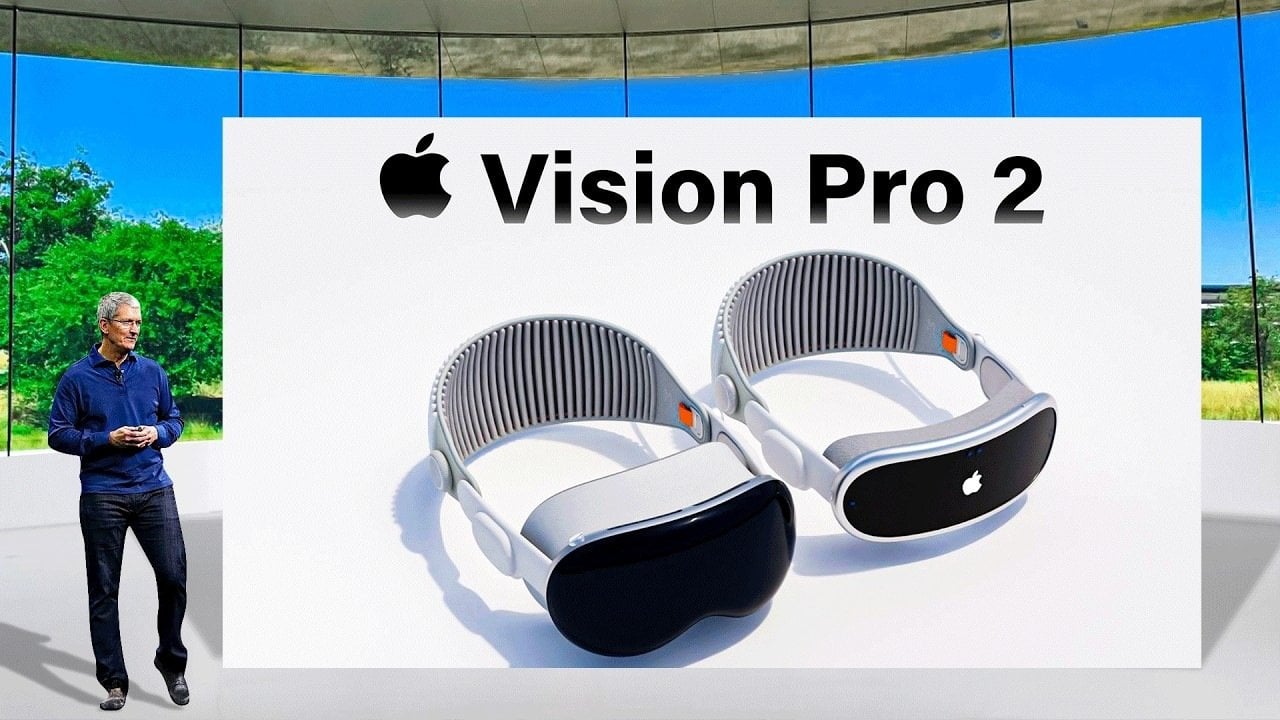
Apple is set to revolutionize the AR/VR market once again with the upcoming release of the Apple Vision Pro 2. Expected to launch in late 2025, this second-generation headset promises substantial upgrades over its predecessor. With statistics showing a significant demand for advanced mixed reality solutions, the Apple Vision Pro 2 aims to bridge that gap, providing users with cutting-edge technology and performance enhancements that can transform various industries.
In this article, we will explore the Apple Vision Pro 2, detailing its anticipated features, potential applications, and the market landscape surrounding its release. By doing so, we hope to offer a clearer understanding of how this product can add value to its users.
What to Expect from the Apple Vision Pro 2
The Apple Vision Pro 2 is rumored to incorporate several critical upgrades, making it a significant leap from the original model. At the heart of these enhancements is the new M5 chip, which promises to deliver superior processing power and energy efficiency. Users can expect a more seamless experience with extended battery life, allowing for prolonged usage without interruptions.
Key features anticipated in the second generation include:
- Enhanced eye-tracking capabilities for natural interactions
- Improved motion control mechanisms to refine user engagement
These upgrades aim to eliminate the performance limitations identified in the first-generation model while maintaining the sleek design that Apple is known for.
Enhancements for Professionals and Industry Impact
The Apple Vision Pro 2 targets professionals in various sectors, including medicine, architecture, and entertainment. The device’s advanced AR/VR capabilities can greatly improve operational efficiency and innovation in these fields. For instance:
- In medicine, it can facilitate immersive training and remote consultations.
- For architecture, the device can support advanced design simulations and collaborative workflows.
By focusing on professional applications, Apple is likely to position the Apple Vision Pro 2 as more than just a luxury gadget; it becomes a practical tool crucial for industry advancement.
Market Challenges and Anticipated Release Timeline
The anticipated release window for the Apple Vision Pro 2 is set for October 2025, keeping in line with Apple’s typical product release schedule. However, with the complexity involved in AR/VR technology development, potential delays into 2026 may still occur.
Despite these exciting upgrades, the Apple Vision Pro 2 may face market challenges, particularly due to its high price point, which is expected to remain at around $3,500. Some critics of the first generation pointed to its limited practical applications for general consumers as a barrier to wider adoption. To expand its user base, Apple must tackle these concerns while ensuring the product maintains its innovative edge.
For further insights into Apple’s strategic approach to enhancing user experiences, explore our analysis of Apple Notes and AI integration.
Future Prospects and Innovations
Looking further down the line, Apple is reportedly considering the development of a more budget-friendly version of the Apple Vision Pro 2. This alternative model could incorporate scaled-down hardware while still delivering essential AR/VR functionalities, making it accessible to a wider audience.
Additionally, innovations in AI and neural processors could pave the way for future iterations that enhance user experience significantly. Such developments promise to solidify Apple’s foothold in the AR/VR market and ensure the organization’s ongoing relevance in a rapidly evolving industry.
To stay connected with the latest news and technology updates on AR/VR, similar to the discussions on iPhone leaks, keep an eye on Apple’s developments.
Conclusion: A New Era in Mixed Reality
As Apple prepares to launch the Apple Vision Pro 2, the device stands as a testament to the evolving landscape of AR and VR technology. With promising upgrades designed to enhance user experience and applications, it has the potential to redefine how industries operate.
While challenges remain in terms of accessibility and affordability, Apple’s vision of integrating AR/VR into professional environments could set new benchmarks in innovation. In the coming months, investors and technology enthusiasts alike will be watching closely as Apple navigates these challenges and continues to refine its lineup for mixed reality enthusiasts.
To deepen this topic, check our detailed analyses on Gadgets & Devices section
For more insights into security concerns surrounding Apple products, visit our article on Apple spyware campaigns, as well as the latest updates on product features in the recent M5 MacBook Air release.