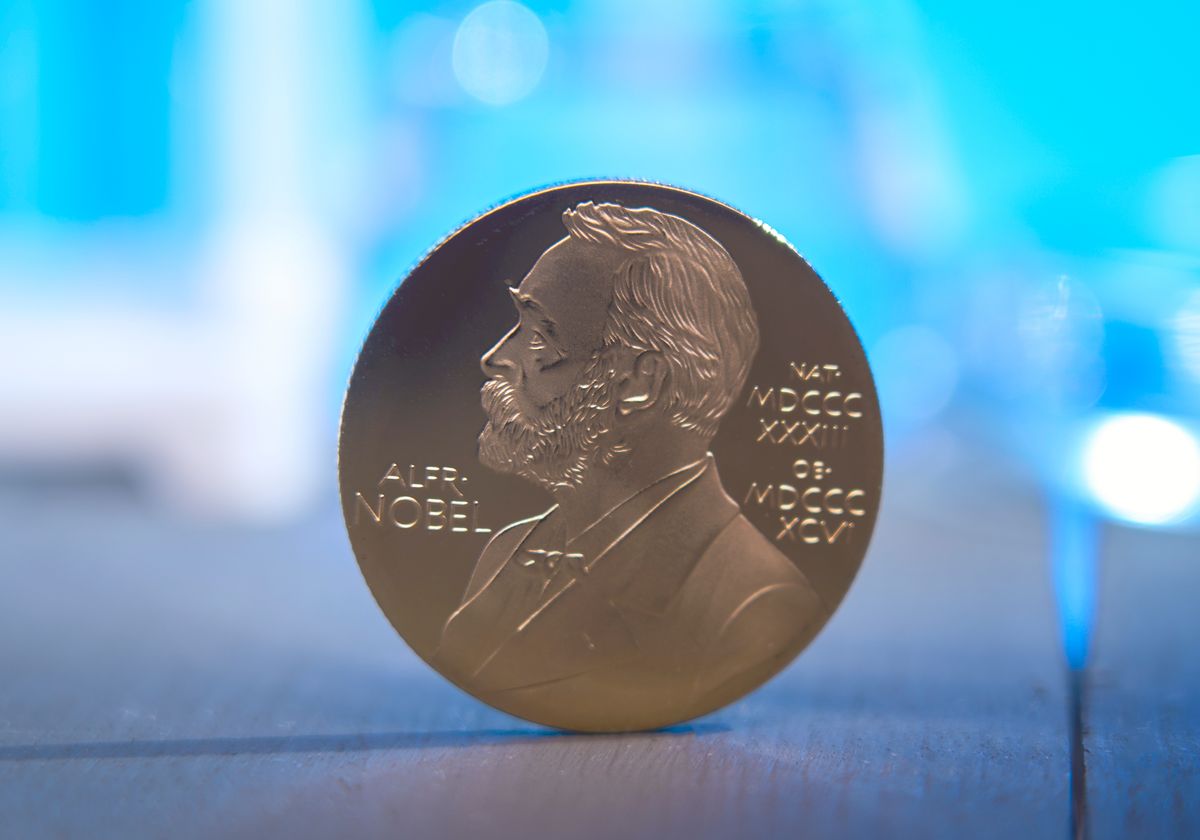
Every year, as October rolls in, anticipation hangs in the air among scientists and academics alike. The burning question emerges: who will be awarded the coveted honor of the Nobel Prize? In this article, we dive deep into the **Nobel Prize predictions** for 2025, exploring insights from leading researchers in various fields. This year’s announcements will take place from October 6th to 13th, and experts are already making their guesses on who might take home this prestigious award. Will it be groundbreaking research in glucagon-like peptide-1 (GLP-1), the intriguing field of optogenetics, or unexpected discoveries in another discipline? Join us as we uncover the predictions and examine their potential significance in the scientific community.
Nobel Prize Predictions: Top Contenders for 2025
As the countdown to the Nobel Prize announcements begins, the scientific community buzzes with speculation. Researchers have weighed in on their top candidates for the prize in various fields. Notable names like Jeffrey Friedman and Svetlana Mojsov, both associated with pivotal discoveries regarding hormone regulation, have emerged as strong contenders. Their groundbreaking work on leptin and GLP-1 has had profound implications for understanding body weight regulation and metabolism.
- Jeffrey Friedman: Discoverer of “leptin,” a key hormone in regulating energy balance.
- Svetlana Mojsov: Identified the active form of glucagon-like peptide-1 (GLP-1), influencing obesity treatments.
Researchers believe that without acknowledgment of such crucial work, the award outcome may seem incomplete. For instance, Philip Wigge from the University of Potsdam strongly advocates for Anthony Hyman for his innovative work in protein-protein phase separation. This discovery is paving the way for a new understanding of cellular processes.
Noteworthy Innovations and Groundbreaking Discoveries
Each Nobel Prize cycle reveals the incredible innovations that underpin modern science. Optogenetics, pioneered by Karl Deisseroth, has revolutionized the field of neuroscience. His work allows researchers to manipulate neurons with light, providing insights into brain functions and neurological disorders. The importance of such work cannot be overstated, as he has yet to receive the Nobel Prize, leaving many wondering if this year will be his year.
David Gate, a neuroimmunologist from Northwestern University, echoes the sentiment for Deisseroth, noting the transformative impact of optogenetics. He reflects on the extensive research applications that stem from this technique, ranging from understanding brain disorders to developing potent therapies.
The Importance of Recognizing Diverse Fields
Recognition through Nobel Prizes shines a spotlight on diverse fields of research that often go unnoticed. For example, Pasko Rakic‘s exploration of brain stem cells has laid the foundation for current regenerative medicine. Although Rakic has received numerous accolades, the Nobel remains elusive, making the case for why some deserving researchers slip through the cracks.
This year, there’s also speculation surrounding the increasing prominence of global health challenges in Nobel Prize discussions, such as the surge in childhood diabetes cases. The evolving landscape of public health underscores the need for continuous research and innovation, pushing candidates from these realms into the spotlight.
Evaluating Predictions: Who Will Emerge Victorious?
As the date draws closer, it is important to consider the nuances in Nobel Prize predictions. The diversity of research interests indicates that the prize could honor those whose work is pivotal for social change. Alongside the previously mentioned research, insights into liquid-liquid phase separation and its implications for understanding cellular mechanisms remain hotly debated.
Experts like Pieter Vanden Berghe believe acknowledging such discoveries is crucial, as it opens new doors in biology and related fields. The value of these innovations goes beyond recognition; they provide a framework for exploring potential therapeutic avenues.
Linking Nobel Prize Predictions to Wider Scientific Discourse
The predictions made around the Nobel Prize awards not only highlight individual researchers but also emphasize the interconnectedness of various scientific fields. This year, the spotlight on microbial diversity and its implications for health showcases how interdisciplinary approaches yield significant advances in understanding complex biological systems.
As we look at the dynamics of this year’s nominations, it’s evident that exciting developments are occurring in a multitude of domains. It’s essential to recognize these fields, not only to honor the researchers but also to inspire future generations of scientists.
To deepen this topic, check our detailed analyses on Public Health section