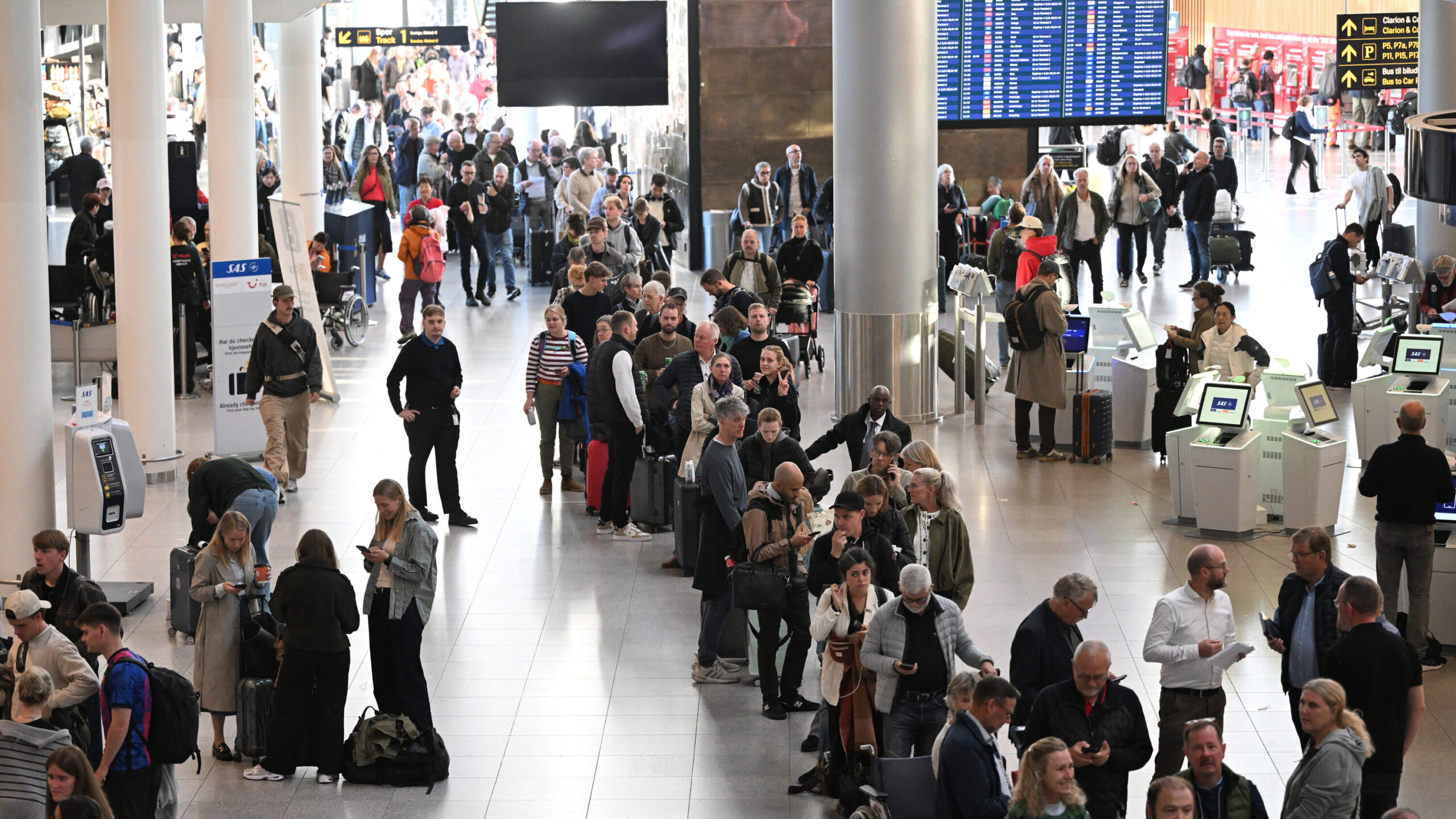
In recent years, the rise of drone sightings airport closure incidents has sent shockwaves through the aviation industry, sparking heightened concerns regarding air travel safety and security. Just last week, airports in Copenhagen and Oslo faced significant disruptions—prompting an unexpected temporary closure of their facilities. The alarming event has led experts and authorities to take a closer look at the implications of such airspace breaches. With drone technology becoming increasingly accessible, it raises critical questions about infrastructure protection and national security. This article explores the recent developments surrounding drone sightings and their impact on airport operations.
Understanding the Impact of Drone Sightings on Airport Operations
The closure of major airports due to drone sightings airport closure incidents underscores a growing threat to civil aviation. According to reports, Copenhagen Airport was the first to report sightings, with several large drones seen hovering in its airspace for over four hours. This prompted Danish authorities to suspend all takeoffs and landings, diverting inbound flights to alternative locations. Similarly, Oslo Airport followed suit as reports of drone activity in its vicinity emerged.
Key points to consider include:
- Immediate flight cancellations and adjustments lead to chaos for passengers.
- Airlines face significant financial implications due to unplanned airport closures.
Given the rising frequency of such incidents, it’s essential for governing bodies across Europe to collaborate on creating comprehensive strategies to mitigate this emerging threat.
The Role of Technology and Security Measures
The rapid evolution of drone technology presents both opportunities and challenges. While drones are beneficial for various applications, their potential misuse raises critical security concerns. As highlighted by PM Mette Frederiksen of Denmark, the recent sightings mark a serious alert concerning critical infrastructure protection, and authorities have classified the incident as potentially tied to growing tensions in the region.
In terms of security measures, airports are being urged to:
- Invest in advanced detection technologies for identifying unauthorized drone activity.
- Enhance communication protocols among local law enforcement, airport officials, and air traffic control.
Drones similarly being utilized in warfare exemplify the urgency for international cooperation in addressing these threats, especially considering recent incursions by Russian aircraft into other European airspaces.
Recent Incidents and Government Responses
The brief shutdown of Copenhagen and Oslo Airports aligns with a broader trend of increased security alerts among European powers. As noted in a recent NATO conference, the increase in Russian military maneuvers, like drone incursions, has prompted heightened awareness of potential threats.
The events surrounding the airspace violations included:
- Poland reported incursions of Russian battle drones earlier in the month, resulting in heightened military readiness.
- Denmark also announced plans to bolster military capabilities, signaling a response to perceived threats.
These developments accentuate the pressing need for nations to be proactive in counter-drone strategies, particularly with the looming risks highlighted by military officials.
How Passengers Can Stay Informed
For travelers, staying informed and prepared is vital given the unpredictability of drone-related incidents. Airports are enhancing communication strategies, ensuring that passengers receive timely information about potential delays or cancellations.
Travelers can take proactive measures such as:
- Signing up for flight alerts via their airline’s website.
- Regularly checking airport websites for updates regarding drone sightings and flight statuses.
Additionally, helpful resources exist, such as our guide on cold-weather travel packing tips, to help passengers ensure a smooth journey even during unexpected disruptions.
Conclusion: The Future of Air Travel amidst Drone Threats
As the aviation industry comes to grips with the reality of drone sightings airport closure, proactive measures must be a priority moving forward. Collaboration between authorities, airport management, and aviation stakeholders is crucial in developing effective countermeasures.
It is clear from the recent incident at Copenhagen and Oslo Airports that the implications of drone sightings extend far beyond mere inconvenience—they pose significant risks to national infrastructure and traveler safety.
For an in-depth look at similar strategies discussed in the context of travel and tourism, visit our Travel & Tourism section to explore further articles and insights on navigating the complexities of modern air travel.
To deepen this topic, check our detailed analyses on Travel & Tourism section