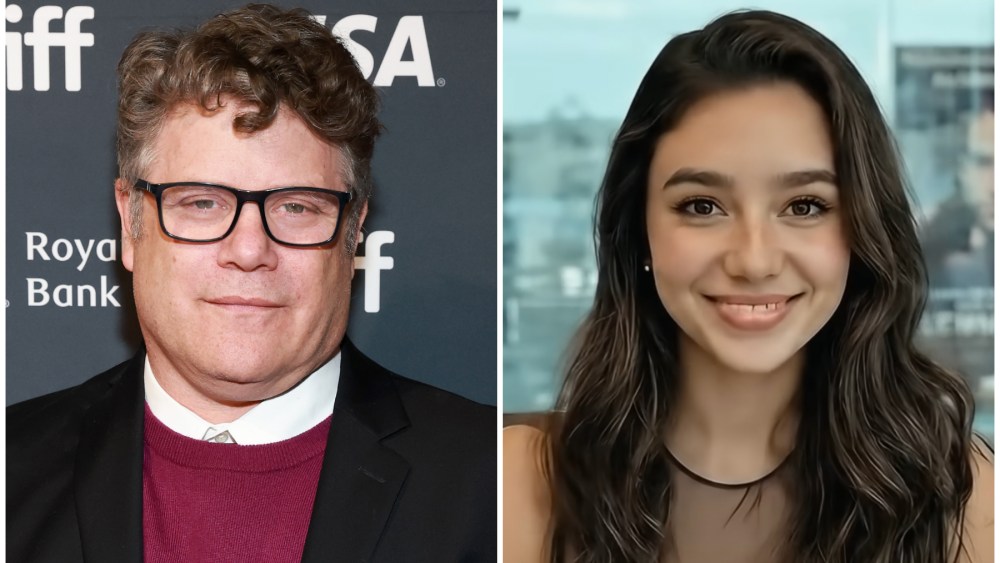
In an era where technology continues to reshape the entertainment landscape, AI compensation is at the forefront of discussions among industry leaders. A recent incident involving AI actress Tilly Norwood has ignited a firestorm of conversation within Hollywood, as actors and union representatives grapple with the implications of this technology. With SAG-AFTRA President Sean Astin expressing commitment to protecting performers’ rights and securing fair AI compensation, the stakes have never been higher for voice and visual artists. This article delves into the challenges and opportunities presented by AI in the entertainment industry, highlighting the urgent need for appropriate compensation structures as we navigate this transformative age.
Understanding AI Compensation in the Current Industry Landscape
The emergence of AI-generated performers like Tilly Norwood marks a turning point in how talent is perceived and represented. According to Sean Astin, SAG-AFTRA’s new leader, the union has been proactive in addressing issues surrounding AI compensation for its members, underscoring the need for regulations that protect human artists. Notably, the recent 118-day strike led by SAG-AFTRA shed light on the industry’s readiness to tackle future challenges related to AI.
Astin emphasized the significance of establishing guidelines that determine how AI is used in performances, which directly ties to the concept of compensation. The union’s efforts reflect a wider concern about the replacement of human actors with AI models and the subsequent impact on job security and earning potential within the creative sector. This dynamic has opened discussions not only about who gets to perform but also about how they are compensated.
- The role of actors is evolving; understanding AI compensation is crucial.
- Fair regulations are necessary to protect artistic integrity and livelihoods.
The Role of Legislation in Securing AI Compensation
As the conversation progresses, legislation plays an integral role in shaping the future of AI compensation. Recently, California Governor Gavin Newsom signed new laws designed to address the rights of actors amid the rise of digital performers. SAG-AFTRA’s involvement in these legislative processes underscores a united front in protecting artists.
Astin noted that while the emergence of AI performers has captivated audiences, it also poses real risks to the authenticity and emotional connection of performances. He stated, “With regard to AI, we have an extraordinary amount of leverage because the audience wants to see real human performers.” This sentiment reinforces the importance of establishing legal frameworks that ensure AI compensation aligns with audience expectations and industry standards.
Actors like Emily Blunt and Melissa Barrera have voiced their concerns regarding AI advancements, advocating for a future where human performers retain their value through fair compensation. This growing chorus of support within the acting community is essential for creating a balanced dialogue that encourages innovation while safeguarding artists’ rights.
- Legislation can provide essential protections for artists in the face of AI.
- Industry leaders are calling for safeguarding measures to ensure fair AI compensation.
The Future of AI in Hollywood: Opportunities and Challenges
The integration of AI into Hollywood brings both exciting opportunities and pressing challenges. On one hand, AI technologies can streamline production processes and enhance storytelling capabilities. On the other hand, the very essence of creativity may be undermined if there isn’t a reliable model for AI compensation. Actors must be at the center of conversations about how this technology is implemented and what fairness looks like in both performance and pay.
As explored in our analysis of revolutionary tech funding, there’s potential for AI to invigorate the industry. However, protecting human artistry must remain paramount. The debate is not simply about whether AI should replace actors, but rather how it can coexist with human talent, providing a fair economic model for both.
Moreover, ongoing conversations about AI also align with the broader trends in tech industries—a reflection of rapid advancements and the need for immediate policy responses. For example, projects like CrateDB’s revolutionary approach show us how AI can change data processing, influencing how storytelling is created and delivered.
- AI can enhance creativity but requires a balance with human talent.
- The industry must develop equitable compensation structures for AI-generated content.
Union Responses to the AI Revolution
SAG-AFTRA’s commitment to addressing the challenges brought on by AI includes engagement with key stakeholders like the Association of Talent Agents (ATA). Astin highlighted the importance of communication between the union and agencies: “Our agreement with the ATA is important, and we look forward to a healthy, constructive conversation.” This collaboration can pave the way for comprehensive strategies that ensure lasting AI compensation frameworks are established.
As highlighted in discussions about child safety in AI, ethical considerations must also play a role in how AI is utilized in the entertainment sector. The question remains: how do we ensure that technology serves to enhance rather than replace human artistry? Addressing this must be a priority for unions and artists alike.
Ultimately, the path forward involves harnessing the power of AI while advocating for the rights of human creators. Astin’s decisive leadership reflects a commitment to ensuring that artists are not collateral damage in this digital age.
- Union strategies are essential in addressing AI’s impact on employment and earnings.
- Constructive dialogue with agencies can enhance protections and frameworks for AI compensation.
Conclusion: The Call for Fair AI Compensation
The ongoing discussions around AI compensation illuminate the tension between technological innovation and the need for fair treatment of creative professionals. As industry leaders like Sean Astin champion the cause of human artists, it becomes increasingly clear that a proactive approach is necessary to navigate the complexities of artificial intelligence in entertainment.
Actors have voiced their need for clear guidelines and protections in an industry poised on the brink of an AI revolution. By leveraging both legislation and union strength, there is hope for a future where creativity thrives alongside technology, ensuring that artists are appropriately compensated for their work. To explore more about these transformations in entertainment, check our insights into how technology is set to change Hollywood.
To deepen this topic, check our detailed analyses on Movies & TV Shows section