Cybersecurity threats continue to evolve, with new forms of malware emerging and wreaking havoc in various sectors. One such threat is Formbook Malware, a tool used by malicious actors to infiltrate organizations and steal sensitive data. As a result of a recent phishing campaign involving a group known as ComicForm, this malware has targeted companies in Belarus, Kazakhstan, and Russia since early 2025. The alarming rise in such attacks highlights the urgent need for robust cybersecurity measures. In this article, we will delve into the intricacies of Formbook Malware, its operational methods, and the broader implications of these cyberattacks.
The Mechanics Behind Formbook Malware Attacks
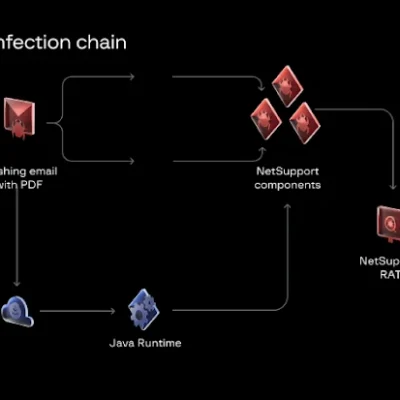
Understanding the tactics employed by hackers can help organizations safeguard against Formbook Malware. The campaign led by ComicForm employs sophisticated techniques to deceive users into executing malware. Emails with misleading subject lines—like “Waiting for the signed document” or “Invoice for Payment”—are dispatched to potential victims. These emails often contain a Windows executable disguised as a PDF document, compelling users to open attachments.
Once executed, the malware employs an obfuscated .NET loader to activate a malicious DLL, which then executes another DLL—Montero.dll. This DLL serves as a dropper for the Formbook Malware and establishes persistent access by creating a scheduled task while adjusting Microsoft Defender settings to bypass detection. The attacks indicate a well-thought-out strategy aimed at capturing personal and financial data.
This is akin to the phishing methods demonstrated in our analysis of Chinese malware attacks, which also focus on social engineering to manipulate unsuspecting users.
Understanding the Targets: A sector-wide Impact
The scope of impacts stemming from Formbook Malware is significant, as it primarily targets various industries, including industrial, financial, and biotechnology sectors. Surveys from F6 indicate that the affected companies are located primarily in Belarus, Kazakhstan, and Russia, marking a concerning trend in region-specific attacks.
- Industrial Sector: Targeting firms that manage critical infrastructure.
- Financial Sector: Focused on extracting sensitive financial data from banks.
- Biotechnology: Seeking intellectual property and research data.
The attackers employ both phishing emails and fake web services to harvest credentials. Recent phishing attempts involved masked web pages designed to capture access information from users, mirroring login portals of legitimate services.
As discussed in Microsoft’s vulnerabilities, similar tactics are frequently exploited for maximizing compromises in cybersecurity.
Formbook Malware and Threat Intelligence
The use of Formbook Malware is not limited to one group or region. The NSHC ThreatRecon Team recently identified another group, SectorJ149, utilizing this malware in attacks on South Korean companies in sectors like manufacturing and energy. This indicates a broadening threat landscape where various actors exploit similar malware tools.
In Southeast Asia, SectorJ149 has adapted its tactics as well, utilizing spear-phishing techniques involving executive-level targets to maximize damage. The malware functions by calling a PowerShell command that fetches malicious executables, exposing the delicate nature of corporate cybersecurity globally.
These events resonate with strategies employed in the attack on the Philippine military, detailed in our coverage of Eggstreme Malware, which similarly leveraged phishing to compromise national security.
The Importance of Awareness and Preparedness
Organizations must adapt to the increasing sophistication of threats like Formbook Malware. Building robust security frameworks that emphasize training and awareness is essential. Employees should be educated about recognizing and reporting suspicious emails, aiming to mitigate the risks associated with phishing attacks.
- Regular training sessions on cybersecurity hygiene.
- Implementation of advanced email filtering systems.
These measures align with recommendations to strengthen cybersecurity frameworks, similar to the insights provided in our article on Asyncrat exploits.
Conclusion: Navigating the Future of Cybersecurity
The emergence of Formbook Malware underscores a critical need for ongoing vigilance and preparedness in the face of dynamic threats. As cybercriminals continue to enhance their tactics, organizations must remain proactive in protecting their sensitive data. By bolstering employee awareness and investing in advanced cybersecurity measures, businesses can navigate the constantly evolving landscape of cyber threats.
To deepen this topic, check our detailed analyses on Cybersecurity section