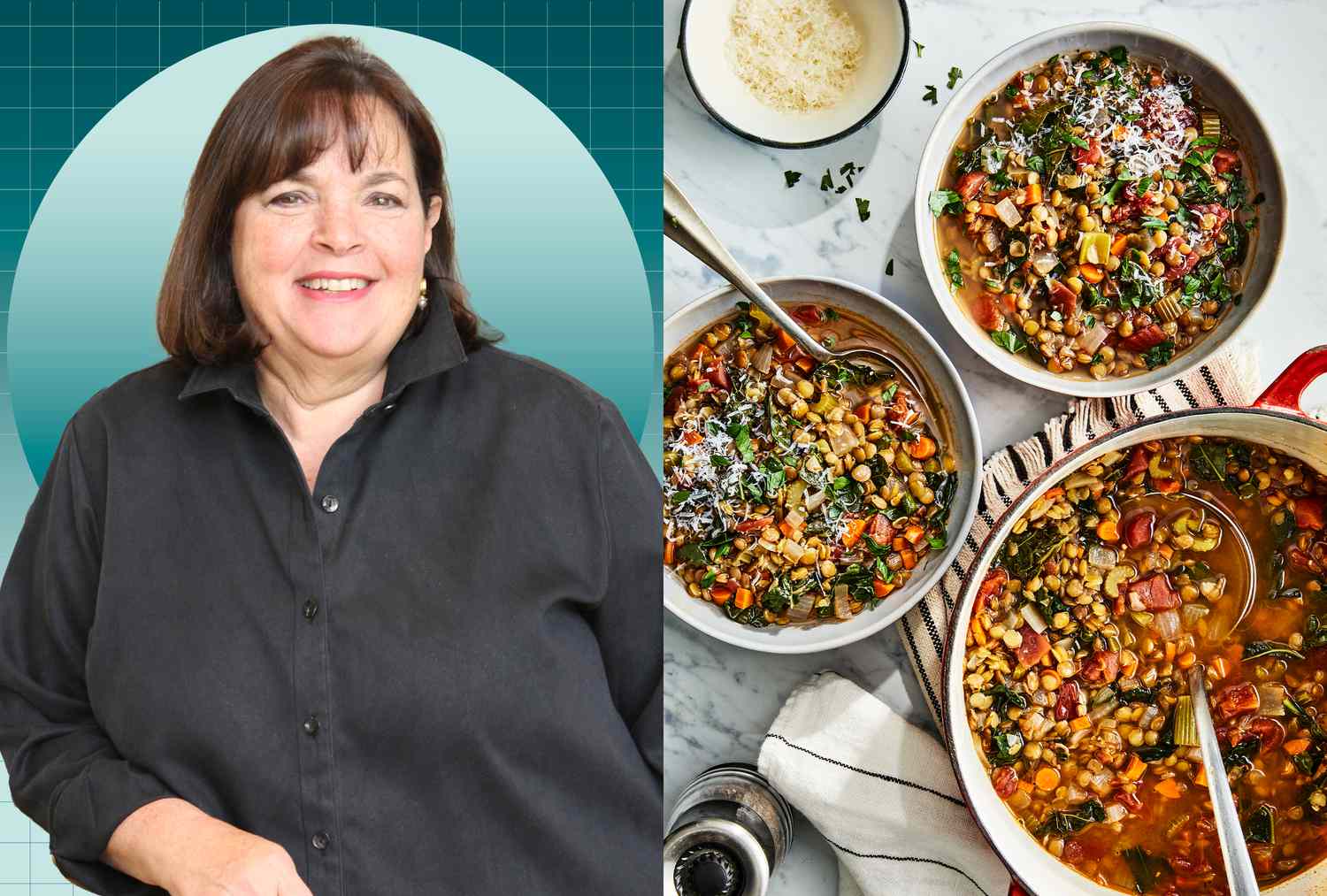
There’s nothing quite like the comfort of a warm bowl of soup at the end of a long day. Yet, not all soups are created equal. You can elevate your soup game dramatically by incorporating some insightful Ina Garten soup tips. As a celebrated chef and author, Garten’s expertise in cooking brings invaluable techniques to soup-making. In this guide, we dive deep into her six transformative tips for crafting soups that are both flavorful and satisfying. Prepare to start your journey towards becoming a soup master!
Essential Tools: The Dutch Oven Advantage
When it comes to making the perfect soup, having the right tools is crucial. A Dutch oven is essential for this purpose. Its heavy, thick walls ensure even heat distribution and help retain moisture, creating the ideal environment for simmering soups. Garten suggests breaking out that often-stashed Dutch oven because it allows for multiple cooking techniques like browning, braising, and simmering—all in one pot. For example, in her Ultimate Beef Stew, she highlights the importance of using a Dutch oven to achieve perfect flavor.
The Power of Fat in Soup Making
Another one of Garten’s vital Ina Garten soup tips is the inclusion of fat—primarily butter. This ingredient is transformative, providing a silky texture and helping ingredients meld together beautifully. Not only does butter add richness, but it also softens vegetables, allowing them to cook evenly without browning. Classic recipes like her Creamy Potato Fennel Soup showcase the magic of fat in the cooking process.
Simmer Low and Slow
The mantra of “low and slow” is a fundamental technique in soup-making. Cooking at a low temperature allows flavors to meld and develop fully. This approach stands in stark contrast to boiling soups at high heat—an unfriendly method which can lead to overcooked ingredients. By following Garten’s advice, you will ensure that your soup retains texture and maximizes flavor. This technique is echoed in many of her recipes, illustrating its universal importance in soup preparation.
Utilizing Parmesan Rinds for Flavor
Ina Garten soup tips remind us not to waste the flavor-packed Parmesan rinds. Instead of discarding these rinds, toss them into your soup while it simmers. They imbue the soup with a deliciously nutty and salty essence without compromising texture. This method is especially effective in recipes like her Chicken Pot Pie Soup, infusing a taste that ensures your soup stands out.
Timing Matters: When to Add Legumes
Another critical piece of advice is deciding when to introduce legumes into your soup. For soups that use uncooked legumes, adding them at the beginning of the cooking process allows them plenty of time to soften. Conversely, if you’re using canned beans, they should be added during the last half hour of simmering. This strategy prevents them from dissolving into the soup, ensuring their presence remains notable. Ina’s Tuscan White Bean Soup is a great example of this timing technique.
Taste and Adjust Seasoning
No soup is complete without proper seasoning. Garten emphasizes tasting and adjusting the salt and pepper just before serving. This final touch is essential, especially if your soup features salty components such as cured meats. Ensuring the right balance will elevate your dish significantly. For instance, her Spanish Pea Soup with Crispy Ham demonstrates the need for careful seasoning before taking that first delightful spoonful.
Reheating Soup: A Bonus Tip
As a bonus, be sure to follow Garten’s simple rules for reheating soup. Instead of rushing the process, heat your leftovers gently, adding extra stock or water to achieve the desired consistency. This method is vital for soups with starch, such as rice or pasta, as they absorb liquid and can thicken the soup too much. By implementing this strategy from her Pork Posole Soup, you can enjoy leftovers that taste even better than the first serving!
By adopting these expert Ina Garten soup tips, you’ll be well on your way to crafting soups that delight both your palate and your soul. Each method is designed to enhance flavor and simplify the cooking process, ensuring that every batch you make is a memorable one.
To deepen this topic, check our detailed analyses on Food & Recipes section