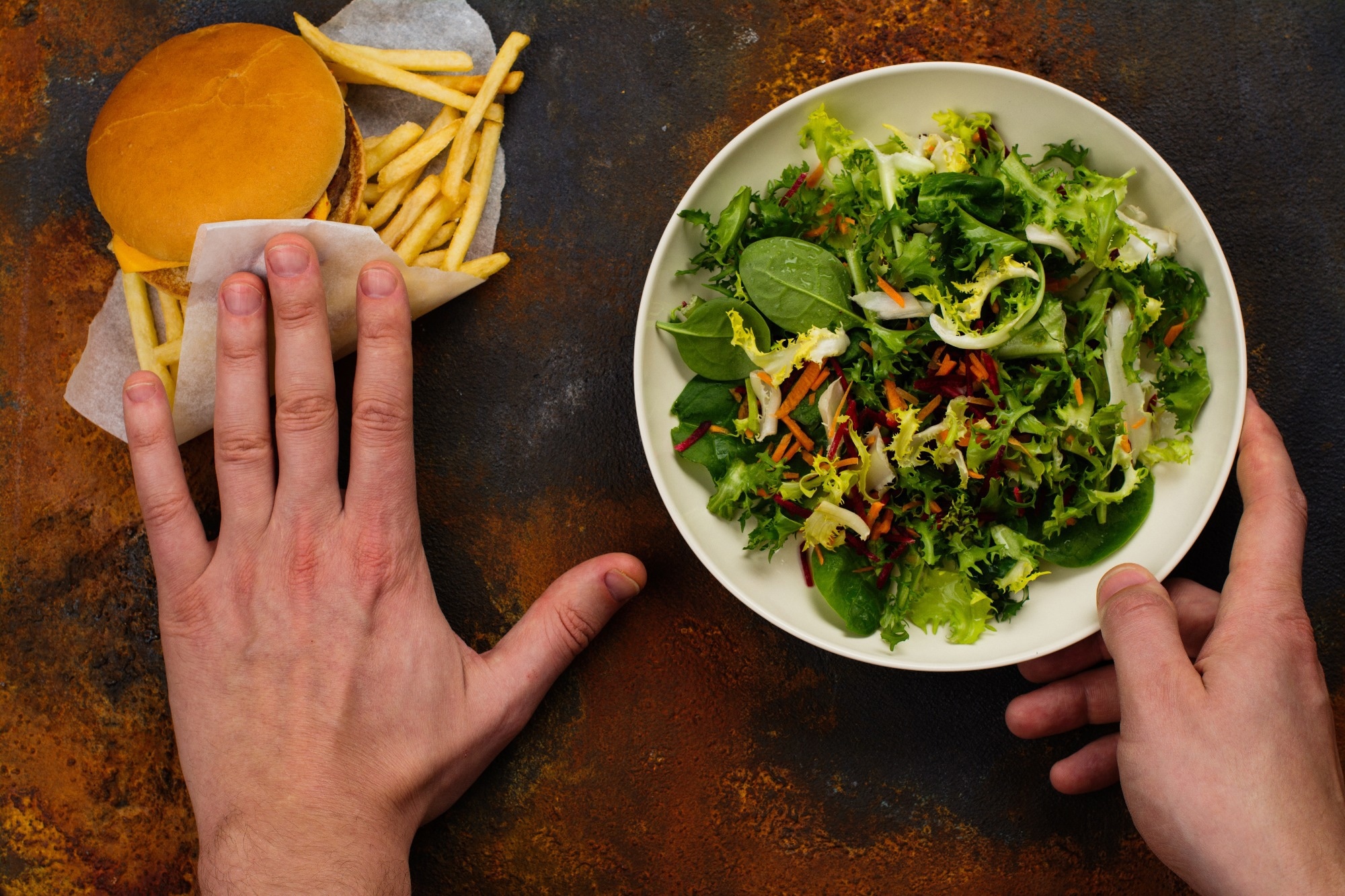
Recent research underscores the remarkable impact of eating styles on the effectiveness of GLP-1 drugs in managing diabetes and promoting weight loss. Surprisingly, studies reveal that individuals who respond to food cues—indulging in external eating behaviors—experience greater weight loss when on GLP-1 drugs. This finding highlights that psychological factors surrounding eating habits significantly shape the success of these powerful medications.
This article delves into the intriguing relationship between eating behaviors and the performance of GLP-1 drugs, revealing insights that could enhance treatment approaches for diabetes and obesity.
The Influence of Eating Behaviors on GLP-1 Drugs
Understanding how one’s eating habits affect diabetes management is essential for optimizing the use of GLP-1 drugs. Research indicates that behaviors such as external eating—where individuals consume food in response to outside stimuli—can play a crucial role in the therapeutic outcomes of these medications.
- External Eating: Triggered by environmental cues like the scent of food.
- Emotional Eating: Linked to psychological states, such as stress or anxiety.
In a recent study, it became clear that those with higher external eating behaviors experienced notable reductions in both weight and blood glucose levels after 12 months of therapy with GLP-1 drugs. This suggests that targeting these behaviors during treatment may lead to improved health outcomes.
Mechanisms Behind GLP-1 Drugs and Eating Styles
The mechanism of GLP-1 drugs involves enhancing insulin production while suppressing glucagon. These pathways are less affected by eating behavior, yet eating styles significantly influence the ability to maintain a healthy weight. For instance, those who engage in external eating tend to overconsume calorie-dense foods, complicating weight management despite medication.
- Efficacy Variability: The effectiveness of GLP-1 drugs can vary among individuals based on their eating behaviors.
- Behavioral Predictions: Tracking external eating behaviors could provide a predictive measure of treatment success.
Identifying and addressing these eating styles not only aids in optimizing GLP-1 drug treatment but also encourages a tailored approach to managing diabetes and obesity effectively.
Real-world Applications for Treating Diabetes with GLP-1 Drugs
The findings about the relationship between eating behaviors and GLP-1 drugs bear important implications for diabetes treatment. Incorporating behavioral strategies into clinical practice can complement medication for better results. For instance, clinicians may consider evaluating their patients’ eating habits and psychological triggers related to food, which can facilitate more personalized and effective treatment plans.
Moreover, similar to strategies discussed in our analysis of emotional eating and GLP-1, understanding the mind-gut connection plays a role in how well these medications work.
The Future of GLP-1 Drugs and Behavioral Health
As research continues to uncover the significant impact of eating behaviors on the effectiveness of GLP-1 drugs, future clinical practices will likely evolve. The ultimate goal is to integrate behavioral interventions alongside pharmacological treatments. This could lead to significant advancements in how diabetes and obesity are managed.
Moreover, controlling not just the physiological aspects of eating but also the psychological factors will provide a more holistic approach to treatment. This is critical, especially considering how closely linked these factors are to overall health outcomes as highlighted in our exploration of cravings and eating behaviors.
Conclusion: Optimizing Health with GLP-1 Drugs
In conclusion, understanding the interplay between eating styles and the effectiveness of GLP-1 drugs presents an opportunity to enhance diabetes treatment. By addressing external and emotional eating behaviors, healthcare providers can tailor strategies that maximize the benefits of these medications. As we continue to study these relationships, the integration of behavioral insights into clinical practice will undoubtedly transform patient outcomes.
To deepen this topic, check our detailed analyses on Nutrition & Diet section