Imagine a time when cereal boxes served as gateways to music, transforming breakfast into a vibrant experience filled with melody. This nostalgia connects many, especially through the phenomenon known as cereal box records. These unique records, fashioned from thin cardboard, might not boast the most immaculate sound quality, but they carry a charm that resonates deeply with collectors and casual nostalgia seekers alike. As the trend of packaging music within cereals fades deeper into history, there are passionate individuals working tirelessly to preserve these delightful artifacts. This article takes you through the intriguing world of cereal box records, their history, impact, and the reasons behind their enduring appeal.
The Origins of Cereal Box Records
Cereal box records emerged in the 1950s, a unique marketing strategy that allowed companies like General Mills to feature music as a cutout prize on cereal boxes. At the height of this craze, even popular artists such as the Monkees and the Jackson 5 had their iconic tracks pressed into these easily accessible formats. Duane Dimock, a devoted collector from San Diego, reflects on this trend, noting that “they sound really bad,” but acknowledges that his collection represents a fascinating snapshot of a bygone era. Cereal box records were intended for children—providing joy through music, even if the audio quality left much to be desired.
Many contemporary collectors, like Michael Cumella from New Jersey, describe them as “ephemeral records.” This term captures their fleeting nature and highlights the joy they brought during their time. The first cardboard records were printed by Rainbo Records in partnership with General Mills, featuring generic songs from the public domain. Mickey Mouse and friends later added their voices to these records, ushering in an era of cross-promotional marketing that would become a staple in advertising.
Why Are Cereal Box Records Worth Collecting?
Such records may lack the audio perfection that audiophiles seek, yet they hold a special place in collectors’ hearts. Their value lies not only in nostalgia but also in cultural significance. These unique items enable a connection to history that today’s digital music formats often fail to replicate. Collectors like Lisa Sutton cherish their cereal box records, reminiscing about childhood memories of cutting out and playing Bobby Sherman tracks. “It’s a nostalgic thing for sure,” she says, illustrating how these cardboard relics bridge generations and evoke fond memories.
- Cultural artifacts: They showcase advertising trends and consumer behavior of their time.
- Emotional connection: For many, they spark joyful reminders of youth and simpler times.
Throughout the decades, the 1960s and 1970s served as peak periods for these records, hitting new heights of popularity when cartoon groups such as the Archies released songs on Super Sugar Crisp boxes. The synergy between music and cereal sales became evident as these promotions propelled cereal box sales significantly.
The Evolution of Cereal Box Records
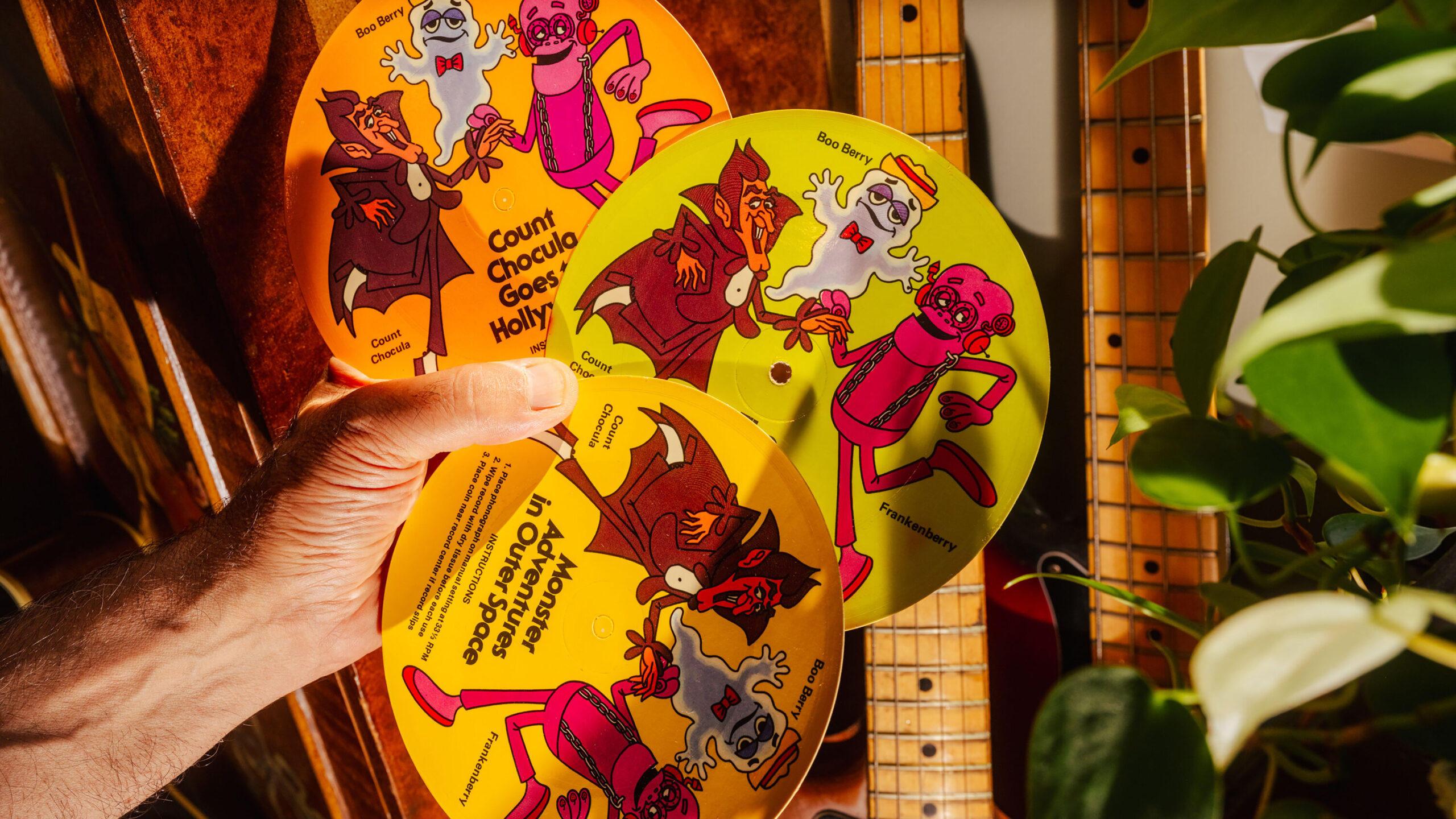
As time progressed, the quality of cereal box records gradually diminished, with later promotions including thin paper inserts instead of actual records on the boxes. From Count Chocula’s audio adventures to other gimmicks, these records became less about the music and more about leveraging branding power. Cumella, who identifies and categorizes these records, observes, “This is one of the few completely undocumented areas of our recorded history.”
- Transitory nature: Many records were discarded, making surviving examples rare and valuable.
- Historical insights: They provide reflections on consumer culture and marketing practices.
Despite facing an uncertain future, collectors continue to uncover these forgotten treasures at garage sales, estate sales, and swap meets. Their enduring quest is not only to embrace nostalgia but also to ensure these artifacts do not fade into obscurity.
Preserving a Piece of History
The passion for cereal box records isn’t just about having a collection; it’s about preserving history for generations to come. Many collectors, including Dimock with his extensive collection of over 10,000 cereal boxes, believe these artifacts are worthy of more recognition than they currently receive. As he asserts, “Storage is money… that’s why a lot of these boxes don’t exist anymore.”
In today’s digital age, where music is easily accessible, the tactile connection afforded by physical records tells a different story. Collectors advocate for their significance and the joy they impart, making them cultural relics in an ever-evolving entertainment landscape.
Nostalgia’s Role in Modern Culture
Even as some collectors express concern that younger generations may not appreciate the significance of cereal box records, the enduring appeal of nostalgia endures. Sutton laments, “It’s sad because you want people to think it’s cool.” As with many aspects of culture, it often takes time for a revival of interest to emerge.
In a world increasingly dominated by minimalism and digital experiences, there lies value in curating collections that echo the past, shaping our sense of identity and belonging. The charm of cereal box records offers a delightful counterpoint to today’s trends, reminding us of the simplicity and whimsy of our shared history.
To deepen this topic, check our detailed analyses on Music section
For further insights into fascinating cultural shifts, consider exploring similar topics in our analyses like the importance of self-awareness in leadership, or delve into the recording career of Christoph von Dohnányi. Each article helps contextualize the past and present in our rich cultural tapestry.