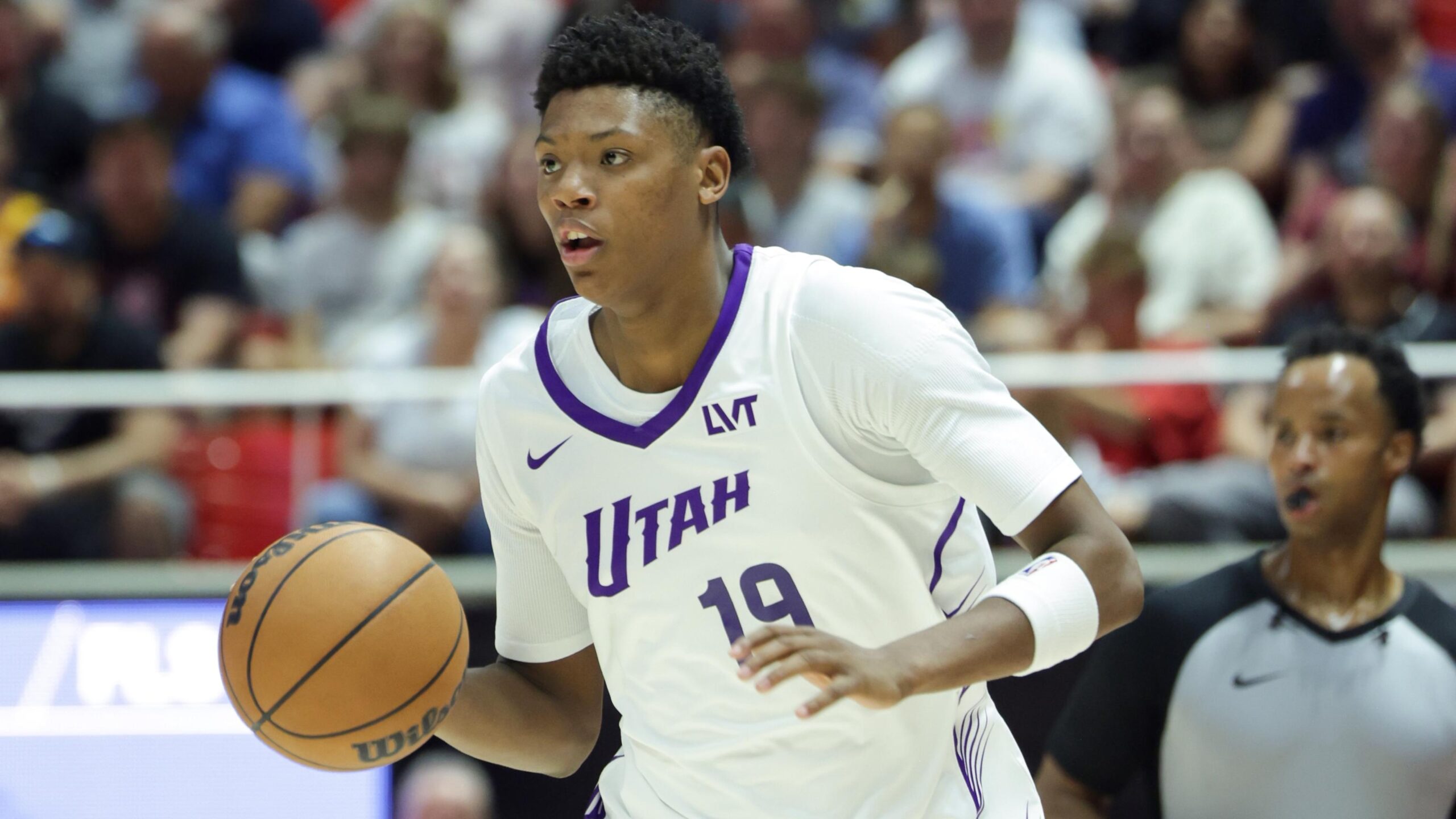
In the dynamic world of professional sports, the relationships between athletes and their agents can significantly influence career trajectories. Recent events involving the **Ace Bailey agent**, Omar Cooper, illustrate this truth vividly. Bailey’s surprising decision to part ways with Cooper shortly after being drafted by the Utah Jazz has sent ripples through the NBA community. This transition raises questions about the underlying motivations and future implications for both the player and his former agent, especially given the unusual circumstances surrounding his draft experience.
As players navigate their careers, having a representative who aligns with their goals is crucial. With Bailey’s recent move, fans and analysts alike are keen to see how this change will impact his performance and positioning in the league. This article delves into Bailey’s relationship with Cooper, the circumstances of their split, and what it means for the talented rookie as he embarks on his NBA journey.
Understanding the Split: What Happened with Ace Bailey and His Agent
On September 24, 2025, news broke that Ace Bailey had split from his agent, Omar Cooper. This decision followed a tumultuous lead-up to the NBA Draft, where Bailey was selected as the No. 5 overall pick by the Utah Jazz—much to the surprise of many, himself included. Reports indicated that Cooper was pushing for Bailey to join an East-Coast team, while the Jazz emerged as an unexpected choice. Bailey’s reluctance was evident; he had even declined a workout with the Jazz prior to the draft.
This situation highlights the complexities of player-agent dynamics. Cooper’s intentions may have stemmed from his own beliefs about the best fit for Bailey, but ultimately, it’s the player’s career that hangs in the balance. By parting ways with Cooper, Bailey now seeks representation that better aligns with his vision for his professional future.
Ace Bailey’s Rookie Expectations and His Transition with a New Agent
As Ace Bailey embarks on his rookie season, expectations are incredibly high. After a standout year at Rutgers—averaging 17.6 points, 7.2 rebounds, and 1.3 assists per game—he is poised to make a significant impact on the court. The Utah Jazz is building a young core around players like Keyonte George and Isaiah Collier, and Bailey is expected to be a cornerstone of this rebuild.
The significance of having the right agent cannot be overstated. With a new agent, Bailey will likely look for representation that prioritizes his interests and supports his ambitions. This fresh start may also revitalize his approach to marketability and endorsement deals, which can heavily influence a young athlete’s earning potential.
For learning insights into player development and transitions, similar to strategies discussed in the selection process of Jaylen Waddle’s recent injury situation, it’s essential to explore how effective representation plays a pivotal role.
Future Implications for Ace Bailey in the NBA
Bailey’s decision to search for new representation could signal broader implications for his career. If he aligns with an agency that understands the nuances of his aspirations, he could find himself in a position to maximize his potential. This alignment will be critical not only for his immediate development but also for his long-term success in the league.
Just as Bailey aims to establish a name for himself among NBA legends, previous players have highlighted the importance of having supportive networks. The dynamic between an athlete and their agent can dictate everything from contract negotiations to off-court opportunities. As Bailey steps into the limelight, he must navigate his choices wisely.
The Importance of Agency in Player Career Choices
The interaction between an athlete’s choices and their agent’s influence is a delicate balance. In Bailey’s case, leaving Cooper indicates his desire for a different approach—one that perhaps emphasizes fitting into a team setup that he is more comfortable with. The agent’s role involves guiding clients through these pivotal decisions and ensuring alignment with the player’s career vision.
For example, in different contexts, similar to the NBA dynamics regarding team conflicts, the capability to negotiate relationships and contracts is what stands out in successful athlete representation. Informed decisions made now could determine the trajectory of Bailey’s career. He will need to rely on an agent who prioritizes his goals and nurtures his growth in the NBA.
Conclusion: A New Chapter for Ace Bailey
Ace Bailey’s decision to part ways with his agent not only reflects his personal aspirations but also serves as a reminder of the essential role agents play in an athlete’s career. As Bailey prepares for a promising rookie season with the Utah Jazz, he must seek representation that aligns with his professional goals.
As he embarks on this new chapter, fans will watch closely to see how his choices shape his future in the league. Having a supportive and visionary agent can make all the difference in the competitive world of professional sports. For more insights and detailed analyses on similar topics, check our comprehensive coverage in the Basketball section.
To deepen this topic, check our detailed analyses on Basketball section