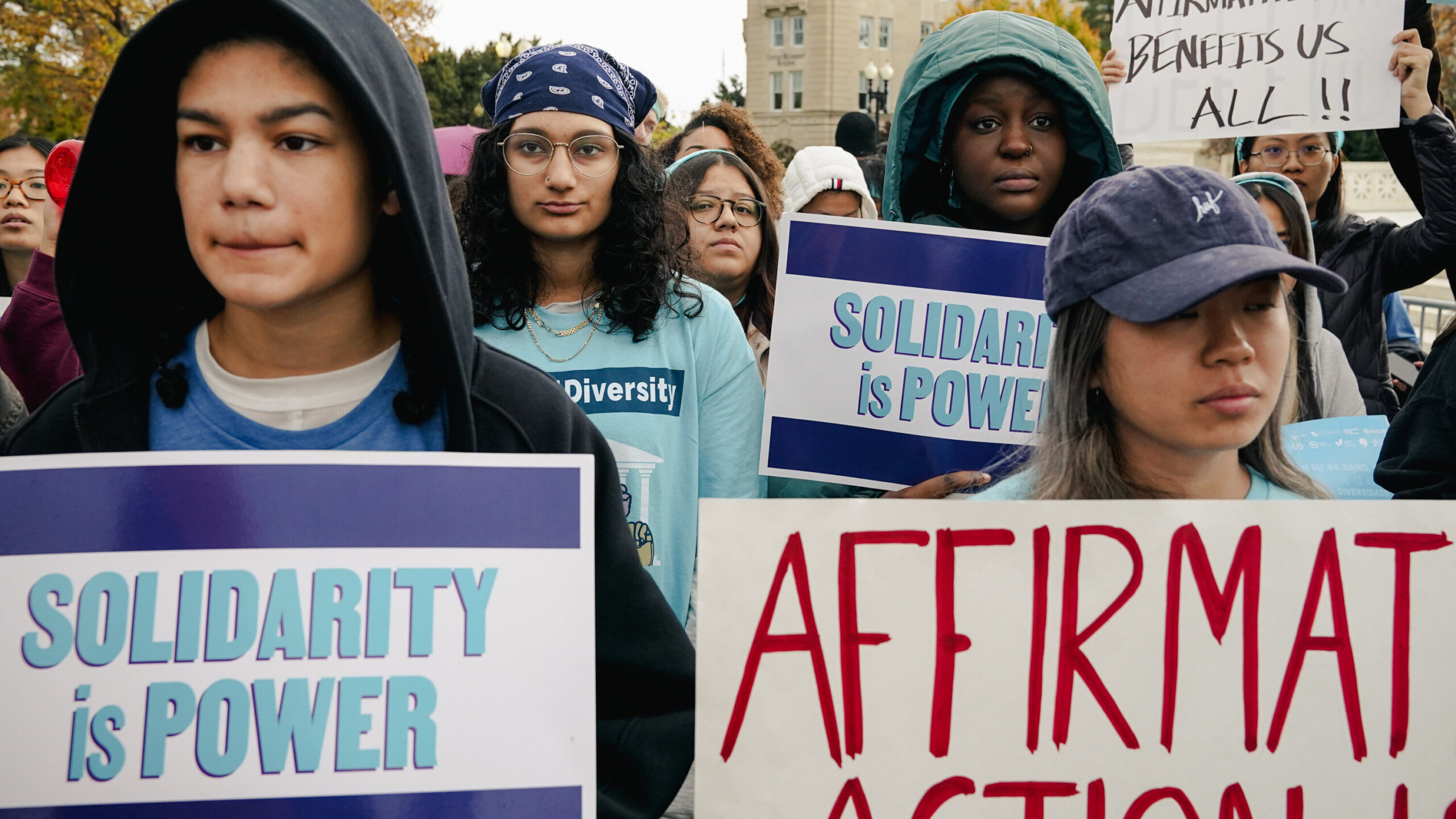
In a society increasingly focused on diversity and inclusion, the fall of affirmative action has raised concerns about the future of equity in education. As we witness significant shifts in policies that have historically aimed to level the playing field, it’s important to understand how these changes will impact universities and their student populations. Recent discussions have highlighted that while affirmative action aimed to remedy systemic inequities, new legal frameworks challenge its place within higher education. This article explores the implications of the fall of affirmative action, focusing on its legal background, consequences, and alternatives.
Understanding the Fall of Affirmative Action
The fall of affirmative action gained momentum following the 2023 Supreme Court decision in *Students for Fair Admissions v. Harvard*, which effectively dismantled race-based admissions policies. This landmark ruling represented not just a legal shift but also a societal one, indicating a departure from the principles of diversity that many institutions had embraced. The decision has broad implications for universities across the nation, prompting them to rethink their diversity initiatives. The backlash against affirmative action stems from claims that it perpetrated reverse discrimination, particularly against Asian American applicants. With this ruling, institutions that practiced what the government termed “illegal D.E.I.” (Diversity, Equity, and Inclusion) are now facing scrutiny.
In their efforts to address systemic racism, universities had aimed to create more representative student bodies—a vision now jeopardized by recent legal decisions. Many institutions, following the fallout, have escalated their hiring and admissions processes to ensure compliance, leading to a steeper decline in Black student enrollment.
Impacts on Higher Education and Diversity
The implications of the fall of affirmative action extend beyond merely statistical representations of student bodies. The policy changes threaten to reverse decades of progress in elevating underrepresented populations in various professional fields. For instance, during the period from 1970 to 1990, the number of Black lawyers surged more than sixfold, while Black doctors tripled, illustrating how affirmative action served as a vital conduit to the professions. Current data indicates that in the wake of the recent decision, many schools experienced a shocking drop in Black student enrollment, showing that achieving diversity in higher education may soon become a greater challenge.
Universities are now faced with the daunting task of maintaining diversity without relying on racial preferences. The discussions surrounding alternative methods are crucial. Some institutions are turning to socioeconomic factors, expanding outreach programs, and enhancing financial aid structures to bolster diversity without directly considering race in admissions. As explored in our analysis of strategies that promote equity, these alternatives seek to ensure that all students, regardless of background, have equitable access to higher education opportunities.
Legal Perspectives and Future Directions
From a legal standpoint, the fall of affirmative action signifies a pivotal shift in how education policies are shaped. Justin Driver, a Yale law professor, in his work, emphasizes the legal arguments both in favor and against affirmative action. He highlights historical context and current challenges faced by educational institutions as they navigate this new landscape.
In revisiting these legal frameworks, it’s vital for universities to advocate for policies that align with their missions while also complying with new regulations. If institutions can demonstrate their commitment to diversity through tangible outcomes—without violating laws—they may be able to mitigate the adverse effects of the recent ruling. For further insights on effective policies, similar to strategies discussed in our guide on prompt writing techniques, universities can be empowered to take proactive steps toward inclusivity.
The Role of Societal Change
The fall of affirmative action underscores a broader societal trend; discussions surrounding equity, race, and education have intensified. In a dynamic landscape, it’s essential for universities to adapt and respond to societal shifts while fostering an environment of inclusivity. The pushback against affirmative action illustrates a deep divide in perception and experience regarding race relations in America.
As higher education institutions strategize about their futures, incorporating narratives that emphasize a collective responsibility toward social justice will be critical. Engaging with diverse communities, on-campus dialogues, and public outreach can serve as powerful tools for rebuilding trust and understanding among students. By fostering a collaborative atmosphere where all voices are heard, universities can begin to counteract the detrimental effects of the fall of affirmative action.
Conclusion: Moving Forward
In conclusion, the fall of affirmative action has not only altered the legal framework under which universities operate but also poses a fundamental question about the future of equity in higher education. As we navigate this new terrain, institutions must seek innovative and inclusive methods to address diversity. By focusing on socioeconomic factors, enhancing access to resources, and committing to authentic community engagement, universities can continue to champion inclusivity in a post-affirmative action landscape.
To deepen this topic, check our detailed analyses on Books & Literature section. Further, explore the AI Tools Revolutionizing Content Creation and see how they strategically maneuver through challenges similar to those posed by the fall of affirmative action.