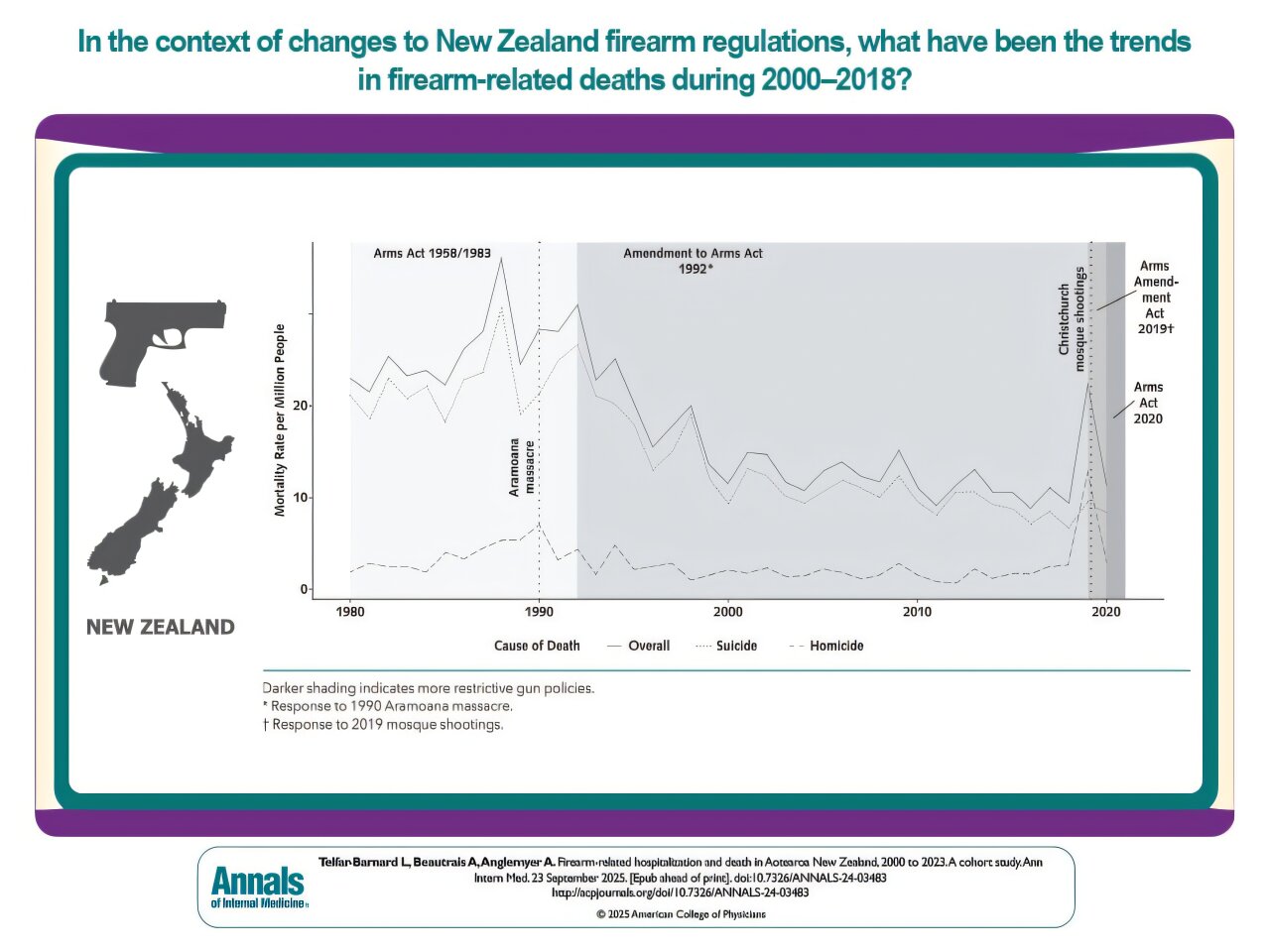
Gun-related incidents have significant implications for public health and safety, particularly in countries like New Zealand. A recent study by the University of Otago revealed a concerning trend: gun deaths in New Zealand have seen fluctuating statistics over the decades, but legislative changes have played a vital role in shaping these numbers. Strikingly, since the strict gun laws were implemented post the 2019 Christchurch mosque shootings, there has been a noted decline in firearm-related fatalities. This article explores the impact of these regulations, the associated costs to the healthcare system, and how they relate to broader societal concerns.
The study from the Annals of Internal Medicine brings to light some startling data, indicating that the financial burden of firearm injuries in New Zealand reaches an annual total of $321 million in terms of years of life lost, apart from the direct healthcare costs, which average about $1.48 million each year. These numbers reflect more than just economics; they highlight the ongoing importance of effective gun control legislation in reducing gun deaths in New Zealand and the heavy toll firearms take on communities.
Understanding the Impact of Gun Control Efforts on Gun Deaths in New Zealand
In New Zealand, firearm-related deaths have been a significant concern, particularly between 2000 and 2018 when over 1,000 lives were lost due to gun violence. With the recent legislative changes, particularly after the tragic events in Christchurch, the government banned military-style semi-automatic firearms and implemented stricter licensing requirements.
These measures have shown a considerable effect on gun deaths in New Zealand. According to Dr. Lucy Telfar-Barnard, who led the study, policies that tighten firearm ownership restrictions are correlated with a notable decrease in both firearm-related suicides and homicides. For instance, the 1992 amendments to the Arms Act required background checks for firearms licenses, facilitating a significant drop in suicide rates tied to gun use.
Strikingly, evidence suggests that the majority of firearm-related deaths during that period were due to suicide, with 819 recorded fatalities. This emphasizes the importance of addressing mental health alongside gun control initiatives.
Economic Burdens Linked to Gun Violence
The study indicates that each year, firearms injuries not only cost the healthcare system but also represent an extensive loss in terms of years of life. Specifically:
- The annual costs to the hospital system due to gun-related incidents is approximately $1.48 million.
- Years of life lost (YLL) due to these deaths represents a staggering financial burden of $321 million.
This data underscores the fact that gun deaths in New Zealand contribute to a substantial economic impact that extends beyond immediate healthcare costs. Such figures prompt a critical conversation about the societal and financial value of maintaining strong gun legislation.
The Disproportionate Impact on Marginalized Communities
Sadly, the statistics regarding gun deaths in New Zealand also reveal disparities among various demographics. Research shows that Māori and Pacific peoples experience firearm injuries at a rate two to three times higher than European populations, both in terms of mortality and hospitalization risk.
With over 80% of those hospitalized due to firearms needing surgical intervention, the study highlights a profound health inequity that reinforces the need for targeted public health interventions. Efforts to reduce gun deaths in New Zealand must include strategies to address these disparities and ensure equitable access to healthcare and preventive measures.
The Future of Gun Regulation and Its Potential Effects
Following the recent mass shootings, the New Zealand government has emphasized the necessity of stricter firearm regulations. Ongoing dialogues about a complete rewrite of the Arms Act reflect a societal commitment to addressing this pressing issue. The current policies are not just about limiting access to firearms; they are fundamentally about safeguarding lives.
Interestingly, the government’s commitment to enhanced firearm education along with enforcing regulations points to a comprehensive strategy aimed at reducing gun deaths in New Zealand. Engaging communities and encouraging responsible gun ownership while emphasizing mental health resources could further diminish the risks associated with firearms.
Conclusion: Moving Forward with Awareness and Responsibility
The findings surrounding gun deaths in New Zealand not only underscore the tragic costs associated with gun violence but also highlight the potential for policy-driven solutions. As evidenced in our examination, meticulous regulation, education, and community support structures are vital.
To deepen this topic, check our detailed analyses on Medical Innovations section.