Reality TV has become an unexpected powerhouse in the creator economy, proven to be a true reality TV creator accelerator. Surprising statistics reveal that the creator economy is already valued at $191.5 billion, where shows like Love Island and Love Is Blind act as lucrative platforms, propelling contestants into stellar career paths that rival seasoned social media influencers. This article promises to unveil the secrets behind how reality TV has transformed from mere entertainment to a dynamic launchpad for aspiring creators, providing countless opportunities for fame and fortune.
How Reality TV Serves as a Launchpad for Creators
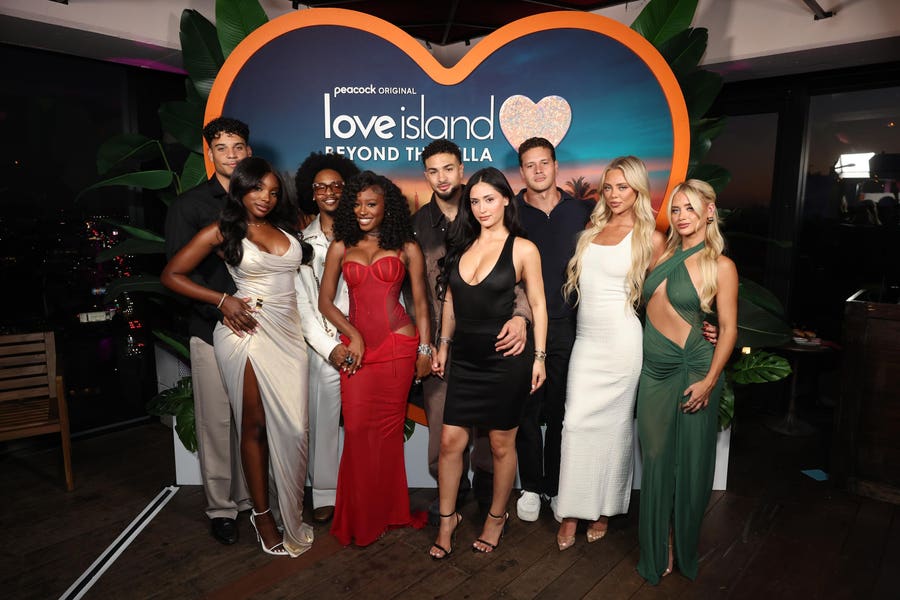
Reality television doesn’t just entertain; it creates stars. Reality TV creator accelerator programs can turn average contestants into social media icons in the blink of an eye. For instance, after her stint on Love is Blind, Deepti Vempati earned an astonishing $60,000 from a single Instagram reel. Similarly, Amaya Espinal, the recent winner of Love Island USA, signed with a prominent agency that represents A-list celebrities like Madonna.
The transition from contestant to influencer happens rapidly, allowing individuals to monetize their newfound fame almost immediately. Shows have transformed from simple reality dramas into factories for influencers, enabling participants to land national brand campaigns and other lucrative opportunities.
Moreover, reality TV creates a unique emotional connection with the audience. In the case of Love Island USA, Season 7 generated a staggering 1.7 billion TikTok views and over 2.2 billion across all platforms, drawing in audiences eager to follow their favorite contestants beyond the finale. This loyalty is a crucial component, providing new influencers with a ready-made fanbase.
Emotional Engagement: The Secret Sauce of Reality TV
The power of storytelling in reality TV captures viewer attention like no other medium. The reality TV creator accelerator thrives on moments of vulnerability and triumph, which are shared live with millions. For instance, contestants like Huda Mustafa gained a staggering 2.4 million Instagram followers within just 30 days post-show. This growth can be attributed to the emotional journey audiences embark on with the contestants—witnessing their highs and lows fosters loyalty and anticipation.
This authenticity creates a highly engaged audience that is more likely to support contestants as they transition into various ventures. For instance, Taylor Williams and Clarke Carraway featured in an engaging Arby’s campaign that gained over 10 million TikTok views, showcasing how traditional brands are eager to tap into this young, dynamic audience.
However, the excitement of reality TV also comes with its pitfalls. Felicity Bowden, known for his controversial antics on Love is Blind, learned that clout chasing may lead to temporary fame but can result in a lack of long-term support from fans. The most successful contestants strike a balance between authenticity and promotion, allowing them to cultivate trust among followers.
The Brand Value of Reality Show Contestants
With predictions that the creator economy will soar to $470 billion by 2027, reality TV winners are in high demand. These contestants closely embody the qualities brands seek: a compelling narrative, relatability, and established audiences. Reality TV creator accelerator contestants inherently come with backstories that resonate with viewers, which traditional ads often struggle to replicate.
Brands like Unilever devote significant portions of their marketing budgets to collaborations with creators who yield better engagement rates than traditional advertising. This trend is increasingly recognized, as brands seek out relationships with creators who can compel their audience through authentic storytelling rather than scripted narratives.
Additionally, platforms such as Instagram and TikTok allow contestants to form lucrative partnerships almost immediately after their reality TV appearance. Contestants land deals that often surpass the earnings of many traditional influencers, creating a new paradigm in brand strategy.
The Future of Reality TV in Creator Economy
The landscape of reality TV is shifting; it is no longer merely about fleeting fame but rather about harnessing influence for sustainable business success. Establishing a presence within the creator economy opens up new revenue streams and opportunities. Contestants like Lauren Speed and Cameron Hamilton leveraged their relationship to develop a brand through a YouTube channel and multiple speaking engagements, generating substantial income.
Nevertheless, not every contestant finds long-lasting success. The rush to monetize influence may lead to a lack of authenticity, ultimately alienating fans. Maintaining a genuine connection is essential for longevity in this competitive space.
As reality TV continues to blend entertainment with entrepreneurship, the distinction between stories of love and business will blur further, solidifying these shows as crucial players in the evolving creator economy. The future holds infinite possibilities for brands and creators, solidifying the importance of storytelling beyond the spotlight.
To deepen this topic, check our detailed analyses on Social Media section.
For more insights, explore how Indian reality TV evolves and adapts, similar to trends discussed in our exploration of the creator economy pitch decks that raised millions. Also, don’t miss out on emerging Instagram features poised to change how we create and consume content in the coming years.