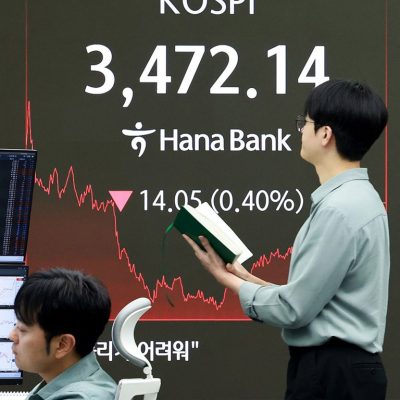
Recent developments surrounding the Iraq Kurdish oil pipeline have significantly impacted global oil markets, leading to fluctuations in prices and supply dynamics. This agreement could reshape the energy landscape in the region, demonstrating how geopolitical factors intertwine with economic realities. Analysts noted that the resumption of this pipeline is poised to alter oil trading patterns and create new opportunities for both buyers and sellers. As the Kurdish government and the Iraqi central government come to terms, it’s essential to evaluate the implications on international oil markets and the local economy. For additional insights, consider reading about shifting global oil demand forecasts.
Understanding the Iraq Kurdish Oil Pipeline Agreement
The latest agreement between the Iraqi central government and the Kurdish authorities has reopened the Iraq Kurdish oil pipeline, which had been largely inactive due to ongoing disputes. This pipeline is crucial as it facilitates the transport of oil from the Kurdish region to Turkey, representing a vital economic lifeline. With the restart of operations, the Kurdish Regional Government is expected to increase production levels, potentially restoring its position in the global market. This development could not only affect regional stability but also international oil prices, making it significant for investors. For deeper insights into investment in volatile markets, check out stock market investing strategies.
Impact on Global Oil Prices
The reopening of the Iraq Kurdish oil pipeline is likely to influence global oil prices significantly. Increased supply from the Kurdish region could lead to a temporary dip in prices, especially if combined with other oil-producing countries also ramping up production. Additionally, political stability in the region is crucial for maintaining price levels; any sudden changes could lead to volatility in oil markets. The interdependence of global oil supplies implies that even minor events can ripple through the entire market. Investors should stay updated on factors related to Middle Eastern oil supply and consider past instances of price shifts in response to geopolitical events, as discussed in the overview of oil and gas investment frauds found at this case analysis.
📊 Key Market Trends
- Price Fluctuation: Increased supply can lead to lower prices.
- Regional Stability: Stability is vital for maintaining investor confidence.
Future Prospects of the Pipeline
The future of the Iraq Kurdish oil pipeline looks promising with the renewed agreement, but challenges remain. Ensuring that both the Iraqi government and Kurdish authorities can cooperate effectively is essential for long-term sustainability. Additionally, the environmental impact of increased oil production in this region could spur debates that may alter policy approaches. The transition into a more environmentally-conscious energy landscape may complicate the operations of traditional oil pipelines. The global energy shift emphasizes the need for new technologies and practices in oil extraction and distribution, so monitoring these changes closely is crucial for stakeholders.
Main Insights and Final Thoughts
The recent agreement to restart the Iraq Kurdish oil pipeline underscores the delicate balance between economic opportunities and geopolitical realities. As oil production ramps up, expect fluctuations in both local and global markets. Stakeholders must navigate this landscape carefully, weighing potential financial gains against the inherent risks. The intricate dynamics of the situation highlight the importance of continuous monitoring and strategic planning in energy investments. Stay informed to adapt to these changes and explore how they might impact your investments.
❓ Frequently Asked Questions
What role does the Iraq Kurdish oil pipeline play in the global market?
The pipeline is crucial for transporting Kurdish oil to international markets, affecting global supply and pricing strategies. Increased production could lower prices temporarily.
How can geopolitical tensions impact oil prices?
Geopolitical tensions can lead to supply disruptions, prompting price spikes or drops. Investors should consider these risks when engaging in oil markets.
To deepen this topic, check our detailed analyses on Stock Market section