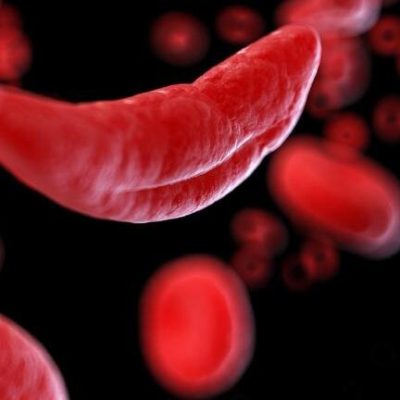
Sickle cell pain is a debilitating condition that affects individuals with sickle cell disease (SCD). This pain can manifest as sudden and intense episodes, known as pain crises, which are often a result of blood flow blockages in small blood vessels due to sickle-shaped red blood cells. Recent research highlights a connection between sickle cell pain and gut microbiome imbalances, suggesting that understanding this relationship could lead to better management strategies and treatments. According to new studies, up to 50% of patients report chronic pain due to their condition, illustrating the need for improved medical interventions and support.
The Link Between Gut Microbiome and Sickle Cell Pain
Emerging evidence indicates that the gut microbiome may play a critical role in modulating inflammation and pain perception in individuals with sickle cell disease. Gut microbiota can influence the body’s response to inflammation by affecting immune system function. For instance, imbalances in gut bacteria have been linked to increased inflammation, which may exacerbate sickle cell pain. Understanding the relationship between gut health and chronic pain is essential, as improved gut health could lead to reduced pain episodes.
Strategies for Managing Sickle Cell Pain
Managing sickle cell pain involves a multifaceted approach. Patients can benefit from pain relief medications, hydration, and heat therapy to alleviate symptoms during a pain crisis. Additionally, incorporating a balanced diet that promotes gut health may also be beneficial. Probiotics and prebiotics can enhance gut microbiota, potentially reducing inflammation and pain. Regular physical activity has shown positive results in improving overall health and reducing pain episodes. For more insights into health and wellness strategies, understanding various therapeutic approaches can empower patients to take control of their health.
📊 Key Information Overview
- Improving gut health: May reduce sickle cell pain.
- Balanced diet: Supports overall health.
Understanding Pain Crises in Sickle Cell Disease
During pain crises, patients with sickle cell pain experience severe episodes that can lead to hospitalization. These crises are believed to occur due to blockages caused by sickle-shaped cells, leading to tissue damage and pain. Education on recognizing triggers such as dehydration, extreme temperatures, or infection can empower patients to manage their condition effectively. Patients must work closely with healthcare providers to develop personalized pain management plans that may include both pharmacological and non-pharmacological treatments.
The Role of Support Networks
A strong support network can significantly benefit individuals dealing with sickle cell pain. Emotional and psychological support from friends, family, and healthcare professionals can help patients cope with chronic pain and its associated challenges. Connecting with local or online sickle cell support groups can provide a sense of community and shared experience, fostering resilience and improving overall well-being.
Emerging Treatments for Sickle Cell Pain
Researchers are continuously exploring new treatment options for managing sickle cell pain. Innovative therapies, including gene therapy, show promise in addressing the underlying causes of the disease. Studies are underway to understand how these emerging treatments can alleviate pain and improve the quality of life for individuals living with sickle cell disease. As advancements are made, ongoing research may lead to better management strategies and medications that target sickle cell pain more effectively.
Key Takeaways and Final Thoughts
In summary, understanding the connection between sickle cell pain and the gut microbiome may pave the way for innovative treatment approaches. A multifaceted strategy involving dietary management, exercise, and support networks can enhance the quality of life for patients. Continued research will be crucial in developing effective therapies that mitigate pain and address the underlying causes of sickle cell disease. To learn more about medical innovations, explore our research on related topics in Medical Innovations.
❓ Frequently Asked Questions
What triggers sickle cell pain crises?
Triggers can include dehydration, extreme temperatures, and infections. Identifying these factors is important for management. Recognizing your triggers can lead to effective strategies for preventing pain crises.
How can gut health impact pain severity?
Imbalances in gut microbiota can contribute to inflammation, worsening pain episodes. Boosting gut health through diet and probiotics may help alleviate symptoms.
To deepen this topic, check our detailed analyses on Medical Innovations section