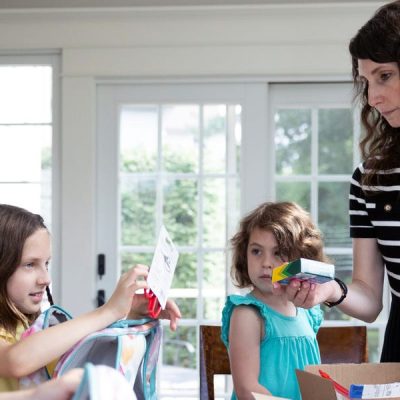
In the ever-evolving landscape of education, **homeschooling socialization** remains a focal point of discussion among parents and educators. Many people worry that children who are homeschooled miss out on vital social experiences that traditional school environments provide. However, studies and anecdotal evidence increasingly show that homeschooled children can thrive socially, often engaging in diverse and enriching activities. In fact, a recent survey indicated that **75% of homeschooling parents report their children have ample social opportunities**, challenging the common stereotype of homeschoolers as socially awkward. This article explores the dynamics of homeschooling socialization, debunking myths while showcasing the real-life social success stories of homeschooled kids.
Socialization Opportunities in Homeschooling
When discussing homeschooling socialization, it’s essential to recognize the variety of opportunities available outside traditional school settings. Many families engage in homeschooling cooperatives, where parents collaborate to provide educational and social experiences for their children. These groups often organize field trips, sports teams, and extracurricular activities, allowing children to interact with peers regularly. Additionally, homeschooled children frequently partake in community service projects that not only enrich their learning experiences but also foster strong relationships with others in their communities. Aspects like these highlight that homeschooling can cultivate strong social skills through diverse interactions.
- According to the National Center for Education Statistics, over **3.7 million students in the United States are homeschooled** as of 2022, showing a significant increase in the homeschooling trend.
- Many homeschooling families take advantage of local museums, science centers, and other community resources that offer educational programs tailored for homeschooled children.
Building Social Skills through Activities
One significant advantage of homeschooling lies in the ability to tailor socialization experiences to fit children’s interests and personalities. For instance, **joining local sports teams** or community theater groups can lead to rich social interactions and teamwork experiences. Furthermore, engaging in arts and crafts workshops can boost creativity while allowing homeschooled children to meet peers who share similar hobbies. In essence, these diverse outlets are not just beneficial for emotional and personal development; they serve as platforms for children to practice essential communication skills. For tips on physical fitness that complement social engagement, check out jumping rope benefits.
📊 Key Information on Homeschooling
- Social skills are enhanced: Homeschooling encourages interaction in varied settings.
- Multiple activity options: From sports to community events, options are plentiful.
Addressing Concerns about Social Isolation
Despite some fears regarding the potential for social isolation, research shows that homeschooled children often develop stronger friendships than their peers in traditional schooling environments. They frequently have opportunities to form lasting connections by engaging in groups tailored to specific interests, whether through clubs, online communities, or educational co-ops. This exposure enhances their ability to navigate social dynamics effectively. Additionally, establishing relationships with children of various ages provides a broader understanding of social contexts. Statistics from recent studies reveal that homeschooled kids are likely to score higher on socialization measures compared to their traditionally educated counterparts.
Empowering Parents in the Socialization Process
Empowering parents to facilitate homeschooling socialization is crucial. By actively participating in their children’s lives and staying involved in community events, parents can create ample social opportunities. For example, arranging playdates or collaborating with other homeschooling families for joint activities can significantly enhance social experiences. Parents also need to ask specific questions when exploring social opportunities, such as what community resources are available and how to best engage their children in local events. Moreover, ensuring that their children enjoy healthy and nutritious diets is essential for overall well-being, which directly influences social engagement. Helpful information can be found in the article about healthy grain foods.
Key Takeaways and Final Thoughts
In summary, homeschooling socialization must not be misunderstood as a detachment from social experiences. On the contrary, with proper planning and engagement, homeschooled children can enjoy vibrant social lives filled with meaningful interactions and friendships. As evidenced, tailored engagement in various activities not only supports their educational journey but also enhances vital social skills. For further insights into related topics, visit Parenting sections that explore the benefits of hands-on parenting.
❓ Frequently Asked Questions
How do homeschooled children socialize?
They socialize through co-ops, sports, and community events, often leading to strong, diverse relationships that enrich their learning.
Are homeschooled kids isolated?
Not at all. With active parents and available resources, homeschooled children can engage socially just as much as peers in traditional schools.
To deepen this topic, check our detailed analyses on Parenting section