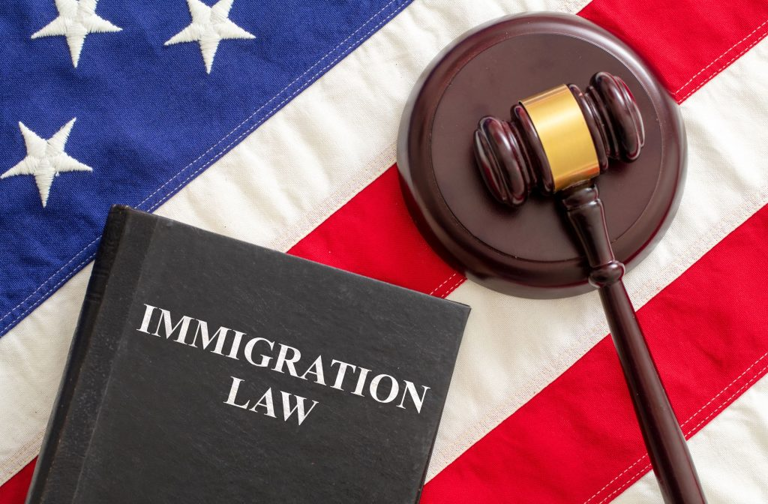
In recent discussions surrounding the H-1B visa fee, the topic has gained significant traction, particularly with the proposal from former President Donald Trump to implement a $100,000 fee for companies seeking to hire foreign skilled workers. This rise in fees could drastically alter the landscape of skilled immigration in the U.S., as such a significant financial burden may deter companies from utilizing this essential visa program. The implications extend beyond mere financial calculations; they could redefine how companies approach their workforce, impacting innovation, job markets, and the economy as a whole. Furthermore, according to the most recent statistics, the immigration fee adjustments could affect thousands of skilled professionals looking to contribute to the U.S. economy. For more in-depth analysis, consider checking the original article.
Understanding the Proposed H-1B Visa Fee Structure
The proposed change to the H-1B visa fee represents more than just a financial aspect; it underscores the ongoing debate about the role of immigration in the U.S. economy. Companies often view the H-1B visa as a lifeline, allowing them to hire specialized talent that may not be readily available within the domestic workforce. The introduction of a $100,000 fee could significantly reduce the number of applicants, as many firms may not be able to justify such an expense. A report from the National Foundation for American Policy indicates that high fees could lead to an estimated 20% decrease in visa applications, further complicating the hiring process for tech companies reliant on skilled labor. This situation reminds us of similar challenges in financial markets where regulatory changes can create ripple effects across industries.
The Economic Implications of the H-1B Fee Increase
An increase in the H-1B visa fee could lead to significant economic consequences. Many analysts believe that limiting access to skilled labor can hinder innovation and growth for U.S. companies, particularly in technology-centric sectors. This may create a labor shortage, pushing firms to look for alternatives which could be either unskilled labor or outsourcing jobs internationally. Various studies illustrate that the availability of skilled workers directly ties into the competitiveness of U.S. companies in a global market. Therefore, as companies adjust to increased fees, they must also reevaluate their hiring processes and workforce structures. This connects to broader themes discussed in cybersecurity, wherein businesses are constantly adapting to new regulations and challenges that affect operational capacity.
📊 Key Economic Insights
- Short-term impact: Reduced hiring capacity
- Long-term effect: Potential innovation slow down
Key Stakeholders Affected by the H-1B Fee Changes
The stakeholders impacted by the H-1B visa fee rise are varied and widespread. From tech giants to small startups, all will feel the effects of increased costs. Moreover, employees in the skilled labor sector will likely face uncertainties regarding their employment status and opportunities for advancement. There’s a potential ripple effect that could impact consumer prices as companies factor increased costs into their operational budgets. Additionally, understanding these changes can benefit employers aiming to navigate the complexities of workforce management. For those interested in the convergence of technology and finance, further insights can be gleaned from the article on cryptocurrency interoperability and how emerging technologies can reshape industries.
Main Insights and Final Thoughts
Ultimately, the proposed H-1B visa fee increase could have sweeping implications. Companies may find it more challenging to secure the talent they need, potentially stifling growth and innovation in crucial sectors. The balance between maintaining a competitive workforce and adhering to new financial regulations will require careful consideration. Employers and employees alike must adapt to a shifting landscape that could redefine America’s skilled labor market. With the continuing evolution of policies, industries should remain agile and informed, ready to respond to changes as they arise.
❓ Frequently Asked Questions
What is the H-1B visa fee increase?
The H-1B visa fee is proposed to increase to $100,000. This change aims to deter companies from relying on foreign skilled labor, but may also have unintended economic consequences.
How will this fee impact businesses?
An increase in the visa fee might push businesses to reconsider their hiring strategies, potentially leading to a decrease in applications and a shortage of skilled workers.
To deepen this topic, check our detailed analyses on Stock Market section.