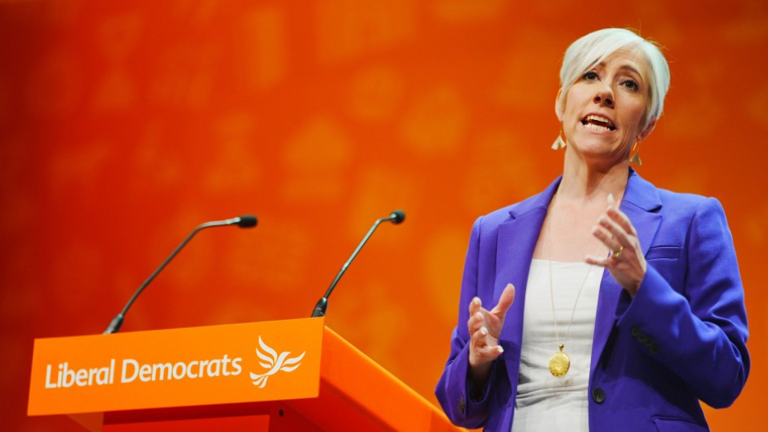
As the global economy continues to navigate the aftershocks of the pandemic, discussions around the bank windfall tax have regained significant attention. This tax aims to address the disproportionate profits many banks reported during turbulent economic times. The idea is to tax these unexpected gains to fund crucial initiatives, such as green energy projects and affordable home loans. For instance, recent proposals made by the Liberal Democrats in the UK suggest that a bank windfall tax could allocate resources towards helping families secure low-interest loans for energy-efficient home upgrades, a matter of increasing urgency as climate change impacts escalate.
What is a Bank Windfall Tax?
A bank windfall tax is a levy imposed on banks that have experienced unexpected gains, particularly during periods of economic instability. This tax aims to redistribute surplus profits for public good initiatives. For example, if a bank reports a significant profit increase due to favorable market conditions while the broader economy suffers, a windfall tax could ensure that a portion of those earnings is redirected to support struggling communities. Countries like the UK and several European nations are currently evaluating their approaches to applying such taxes this year, with many advocating for similar measures to enhance social programs.
The Justification Behind the Tax
Supporters of the bank windfall tax argue that it is a moral imperative, especially in light of rising living costs and the pressing need for sustainable energy solutions. Critics, however, express concerns that levying such taxes could hinder banks’ ability to lend money and invest in economic recovery. Nonetheless, proponents highlight that funds generated should focus on long-term goals, such as improving green infrastructure. As a case in point, the Liberal Democrats have proposed to use the revenue towards developing renewable energy sources, providing a clear pathway toward financial sustainability.
📊 Key Insights on Windfall Tax
- Economic Relief: A potential boost for low-income families.
- Investment in Future: Funding green initiatives can stave off climate change.
Current Trends and Data on Bank Windfall Tax
Recent discussions have brought forth compelling data regarding the effectiveness of bank windfall taxes. A recent UK government report suggests that if implemented, these taxes could yield an estimated £5 billion annually. This revenue could significantly impact social enterprise funding, especially in renewable energy. Some Scottish Council leaders have also shown interest in similar tax structures, calling for local adjustments that help support regional endeavors aimed at sustainability. Their interest reflects a broader trend of local governments becoming more proactive in addressing financial disparities through targeted taxes.
Challenges and Controversies Surrounding the Tax
While the bank windfall tax presents various benefits, it also invites significant controversies. Detractors point out concerns regarding its impact on lending practices, potentially limiting available funds for businesses and consumers alike. Moreover, the definition of “windfall” remains contentious, as critics allege that large banks may find loopholes to evade taxation. The debate centers on crafting legislation that effectively targets only genuine windfalls without stunting economic growth. Striking this balance is critical as legislators strive for sustainable revenue generation while ensuring marketplace vitality.
Future Implications of the Bank Windfall Tax
The future of the bank windfall tax is still under intense discussion. Advocates believe that success could pave the way for structural changes in how financial institutions contribute to society. As more countries consider similar measures, a standardized approach may emerge, reshaping the financial landscape to prioritize shared economic growth. Ultimately, this movement not only aims to redistribute wealth but also serves as a critical measure in advancing green initiatives, creating jobs, and enhancing overall economic resilience.
Main Insights and Final Thoughts
The persistent dialogue surrounding the bank windfall tax illustrates a significant potential for change. As outlined, the anticipated benefits, including fostering green energy projects and providing financial relief to households, make a compelling case for its implementation. However, addressing concerns about economic impacts remains paramount. Policymakers must diligently weigh both perspectives to craft solutions that benefit society as a whole. For further insights on related financial matters, including how recent changes to student loan repayments can affect the economy, exploring a holistic view is essential.
❓ Frequently Asked Questions
What could the revenue from a windfall tax fund?
Revenues could support projects such as green energy initiatives and home energy efficiency loans, enhancing both economic and environmental stability.
How might banks react to the implementation of a windfall tax?
Banks could adjust their lending strategies, potentially limiting funds for businesses; however, they might also find ways to create new financial products aimed at compliance with the tax.
To deepen this topic, check our detailed analyses on Stock Market section