In a world that often seems dominated by extreme weather patterns, the concept of A World Without Summer emerges as both a captivating narrative and a cautionary tale. This phenomenon, primarily originating from the devastating eruption of Mount Tambora in 1815, led to a year without summer in 1816, resulting in failed harvests and widespread famine. Recent studies and expert analyses reveal the far-reaching impacts of this event, highlighting not just the immediate climatic effects but also the societal transformations that followed. The repercussions of such a climatic anomaly continue to resonate in our discussions about climate change today, as these insights reveal important important statistics regarding weather extremes across the globe. Understanding the historical context of A World Without Summer gives us deeper insights into our current environmental challenges and underscores the necessity for awareness and action.
Understanding the Tambora Eruption and Its Consequences
The eruption of Mount Tambora in April 1815 was one of the most powerful volcanic eruptions in recorded history. It ejected an unprecedented amount of ash and sulfur dioxide into the stratosphere, forming a volcanic cloud that blocked sunlight. This led to the infamous “year without a summer,” with average global temperatures dropping significantly. As a result, crops failed across Europe and North America, which caused severe food shortages. This historical context serves as a reminder of the impact natural disasters can have on human livelihoods. The events ensuing from the eruption exemplify the fragility of our agricultural systems and the interconnectedness of climate and food security. For a detailed exploration of how this narrative resonates today, you might find similarity in instances of climate-related challenges discussed in recent articles on societal impacts.
Implications for Modern Climate Understanding
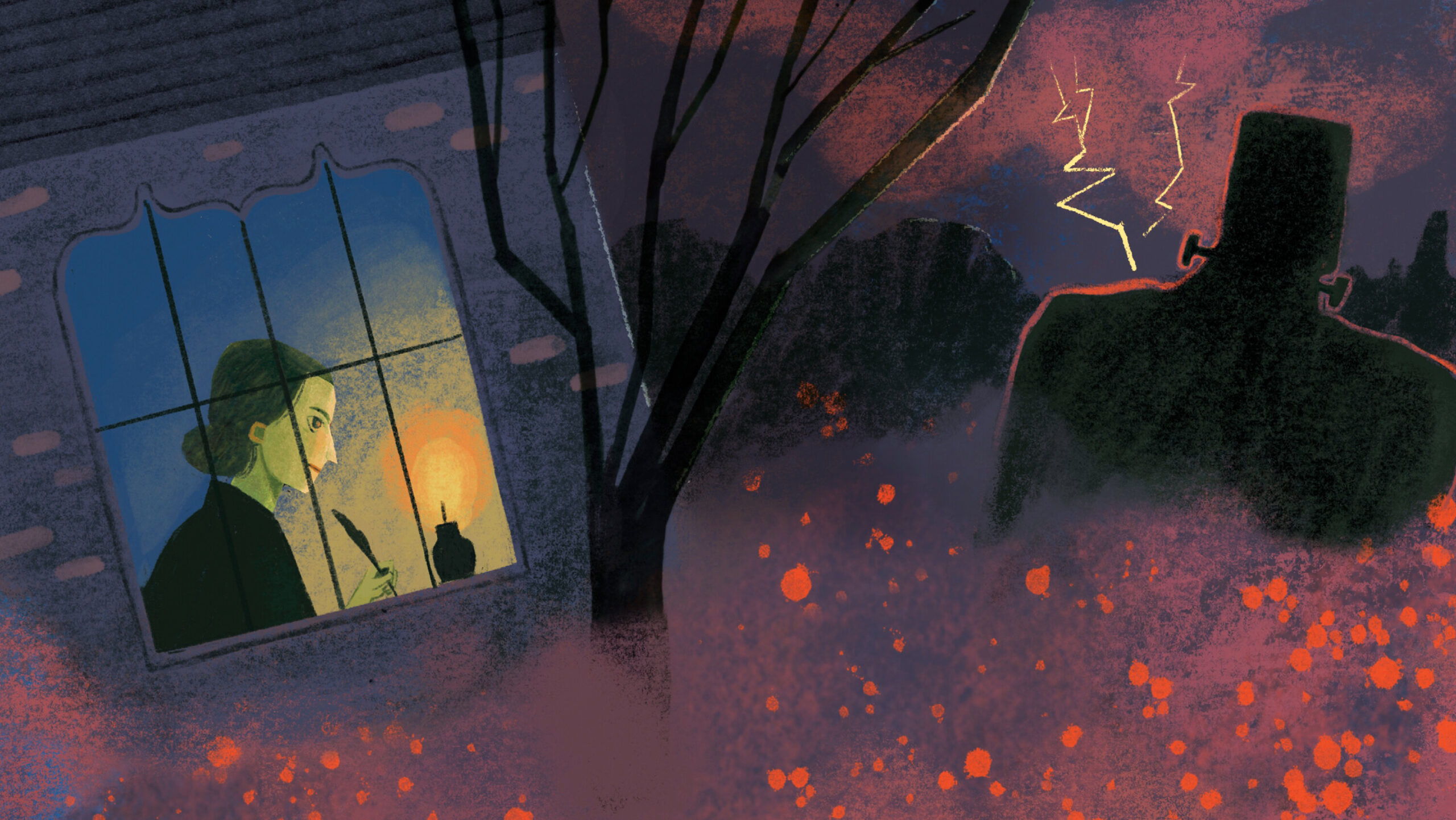
The discussion surrounding A World Without Summer is not just a historical reflection but a vital component of our current discourse on climate change. The findings from this event help contextualize today’s weather anomalies, making it crucial to draw parallels between past and present. For instance, recent reports indicate a concerning uptick in weather extremes globally, sparking conversations about agricultural adaptations and resilience strategies. Understanding how societies responded to the challenges posed by the Tambora eruption can inform our modern approaches to climate resilience. Additionally, as we face similar challenges today, the literary references in works like Mary Shelley’s Frankenstein showcase deeper explorations of human struggle under environmental duress. For insights that bridge literature and climate discussions, see our seasonal book recommendations that underline these themes.
📊 Key Insights from Historical Events
- Impact on Agriculture: Failed harvests led to famine.
- Human Resilience: Societies adapted through innovation.
Lessons for Future Generations
The repercussions from A World Without Summer extend beyond immediate climatic disturbances; they challenge us to rethink our long-term sustainability strategies. As we navigate the complexities of climate change today, there is a pressing need for proactive measures that ensure food security amidst changing weather patterns. The lessons learned from historical events like the Tambora eruption emphasize the prerequisite for global collaboration in combating environmental challenges. Furthermore, the literary reflections stemming from this era provide a unique lens through which we can analyze our ongoing struggles with nature. This wealth of knowledge imparts a responsibility to prepare for unforeseen climate challenges and to innovate for future sustainability.
Key Takeaways and Final Thoughts
The saga of A World Without Summer is a profound reminder of the intricate relationship between nature and human communities. The past teaches us vital lessons about adaptation, resilience, and the urgent need for innovative responses to climate variances. As we reflect on historical data, we must also consider modern implications that shape our understanding of current climate challenges. Ultimately, acknowledging these connections is fundamental to creating a sustainable future. More insights can be gleaned in analyses concerning societal impacts in various sectors as discussed in recent reviews reflecting modern narratives.
❓ Frequently Asked Questions
What was the Tambora eruption’s impact?
The Tambora eruption in 1815 caused drastic climate changes, resulting in the year without summer, crop failures, and severe societal disruptions worldwide.
What lessons can we learn for today?
Today’s climate challenges underscore the need for proactive adaptation strategies, relying on historical insights to foster resilience against environmental changes.
To deepen this topic, check our detailed analyses on Books & Literature section