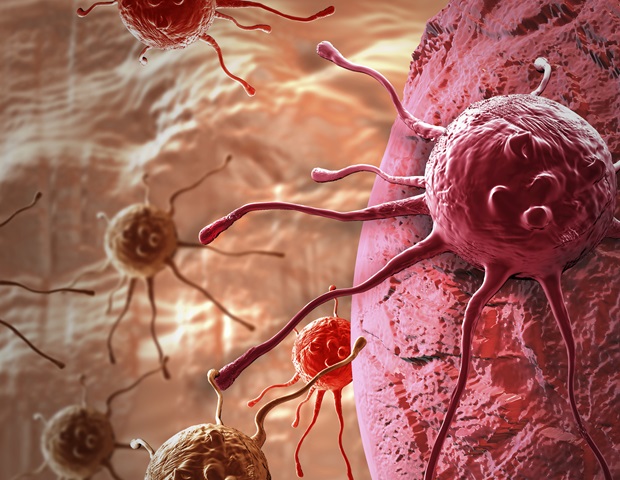
Lung tumors immune cells can profoundly impact the body’s immune response, often leading to significant challenges in cancer treatment. Recent research highlights how these tumorous cells can manipulate immune functions, particularly in the bone marrow, even before they migrate to the cancer sites. This intricate process raises crucial questions about tumor behavior and the immune system’s adaptability. Understanding the relationship between lung tumors immune cells and immune modulation is essential for developing targeted therapies. Interestingly, studies show that about 30% of lung cancer patients may experience altered immune cell profiles, suggesting a need for early interventions.
Understanding the Mechanism of Immune Cell Manipulation
Lung tumors reprogram immune cells in the bone marrow, leading them to operate in ways that favor tumor survival over effective immune response. This phenomenon is primarily driven by tumor-derived signals that influence hematopoiesis—the process through which blood cells are formed. For instance, lung tumors can secrete factors like transforming growth factor-beta (TGF-β), which skews the differentiation of hematopoietic stem cells toward immune suppressive cells such as regulatory T cells. Moreover, regulatory T cells can inhibit effector T cells that are critical for tumor clearance. By understanding such pathways, researchers can explore new treatment avenues that might reverse these immunosuppressive effects.
Strategies for Targeting Immune Cells in Lung Tumors
Recent advancements in immunotherapy highlight strategies for modulating lung tumors immune cells. For instance, therapies that block immune checkpoints have shown promise in restoring anti-tumor activity. Checkpoint inhibitors like pembrolizumab and nivolumab have been successful in treating non-small cell lung cancer (NSCLC), resulting in significant clinical responses. However, these therapies are not universally effective, as some patients still exhibit resistance. Therefore, combining checkpoint inhibitors with other treatments, such as targeted therapies or vaccines, could enhance patient outcomes by addressing immune suppression at multiple levels.
📊 Key Strategies for Effective Treatment
- Combination Therapies: Utilizing both immune checkpoint inhibitors and targeted therapies can yield better patient responses.
- Tumor Vaccines: Developing specific vaccines aimed at triggering T-cell responses against tumor antigens.
Recent Innovations in Lung Cancer Treatments
Innovations in the treatment landscape for lung tumors immune cells focus extensively on enhancing immune responses. One remarkable approach includes the use of CAR T-cell therapy, which involves engineering T-cells to better recognize and attack cancer cells. Furthermore, the identification of biomarkers plays a critical role in determining the right patients for specific treatments, optimizing therapeutic efficacy. For example, the early detection of biomarkers can help in personalized treatment plans that cater to individual variations in immune response.
Key Takeaways and Final Thoughts
The inexorable link between lung tumors immune cells and overall patient prognosis underscores urgent research needs and treatment development. Understanding how tumors exploit immune cells can pave the way for more effective therapies. As research progresses, the hope is for treatments that not only target tumors more effectively but also rejuvenate the patient’s immune system, reducing the impact of the tumor on immune functionality. The potential to combine various modalities may very well redefine the future of lung cancer management.
❓ Frequently Asked Questions
What role do immune cells play in lung cancer?
Immune cells are crucial in attacking cancer cells; however, lung tumors can manipulate these cells to evade immune detection and suppress effective responses to treatment.
How can treatments be tailored to individual patients?
Tailored treatments involve analyzing biomarkers and immune profile assessments to customize therapies, potentially improving outcomes based on individual variances.
To deepen this topic, check our detailed analyses on Nutrition & Diet section