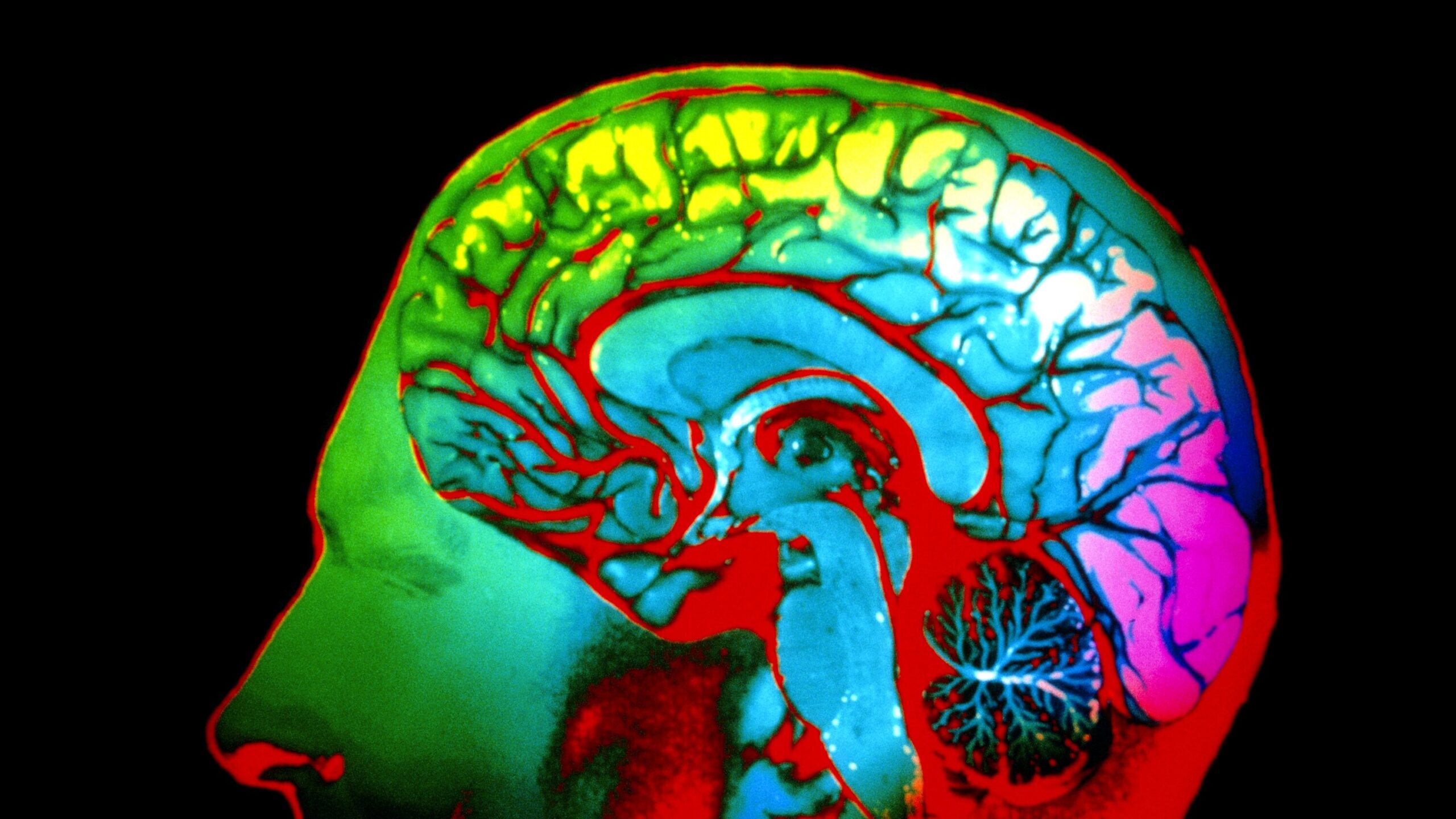
When we discuss color perception, we dive into a fascinating realm where science, psychology, and culture intersect. Our ability to perceive colors is not just a biological function; it involves how our brains interpret signals from our eyes. Recent findings reveal that about 1 in 12 men and 1 in 200 women experience some form of color blindness, highlighting the complexities behind our visual experiences. An emerging area of research focuses on how culture and context influence our individual perceptions of color. For example, studies suggest that people from different cultural backgrounds may categorize and describe colors differently, leading to intriguing conclusions about shared and distinct experiences. This reinforces the idea that color perception is not merely a physical phenomenon but a complex interplay between biology and psychological factors. This article explores the latest trends and insights in color perception, delving into the science behind it and its implications in our daily lives.
The Science of Color Perception
Color perception begins in the eye, where light enters through the cornea and is focused by the lens onto the retina. The retina contains photoreceptor cells known as rods and cones. While rods are responsible for vision in low light and do not perceive color, cones detect color and are divided into three types: L (long wavelengths), M (medium wavelengths), and S (short wavelengths). Each type is sensitive to different parts of the light spectrum, allowing us to perceive a wide spectrum of colors. Recent studies published in 2024 emphasize the role of these cones in how individuals experience color. It’s reported that approximately 90% of people can identify a basic range of colors but might differ in nuanced shades, primarily based on lighting conditions and surrounding colors. This highlights the importance of context in color perception.
Furthermore, researchers have found that the brain’s interpretation of color can change based on an individual’s prior experiences and cultural background. A study published in a leading psychology journal noted that people from cultures with a rich vocabulary for color were better at distinguishing between similar hues compared to those with a limited vocabulary. This suggests that language may enhance our color discrimination abilities, merging the realms of linguistics and visual perception. To further explore how our diet impacts our perception, consider checking out this article on the healthiest grains, since nutrition can influence various cognitive functions.
Way Culture Shapes Color Perception
Culture significantly impacts color perception through both language and symbolism. For instance, in Western cultures, the color white symbolizes purity and peace, while in some Eastern cultures, it signifies mourning. Such associations can affect emotional responses to colors in various contexts such as art, design, and marketing. In an era dominated by visuals, understanding cultural nuances in color can be critical for businesses aspiring to connect with diverse audiences. With increasing access to global markets, brands are advised to consider these cultural contexts when selecting colors for their products. This connects to the broader marketing strategies we recently analyzed in terms of visual branding. As discussed in our piece on gut-healthy snacks, even the color of food can affect perceptions of flavor and healthiness.
📊 Important Insights on Color Perception
- Cultural Significance: Colors can have multiple meanings across societies.
- Psychological Effects: Colors influence emotions and behavior, particularly in marketing.
- Individual Variations: Each person perceives colors uniquely due to physiological differences.
The Impact of Lighting on Color Perception
Lighting plays a critical role in how we perceive colors. Different lighting conditions can drastically alter the appearance of colors, as illustrated in various studies showing that under different types of light (natural vs. artificial), the same object can appear to be a completely different color. A key takeaway from 2025 research highlights that, under incandescent lights, a color might look warm and inviting, whereas fluorescent lighting can make the same color seem harsh and less appealing. This is particularly relevant in fields like interior design and fashion, where the right lighting can enhance or detract from a color’s attractiveness. Understanding the interaction between light and color can lead to more effective design choices.
Color and Well-Being
Recent findings also suggest that color perception is linked to emotional well-being. Studies indicate that certain colors can evoke specific emotional responses; for example, blue might elicit feelings of calmness, while red can provoke energy and urgency. Color therapy is an emerging area in wellness that leverages this understanding to promote emotional health. For those interested in how lifestyle choices influence overall health, this detailed meal plan underscores how dietary changes can enhance health outcomes, including emotional well-being.
Key Takeaways and Final Thoughts
In conclusion, color perception is a multi-faceted phenomenon shaped by biological, cultural, and psychological factors. Our understanding continues to evolve, revealing how deeply entwined our experiences of color are with our identities and environments. As studies advance, they enable us to comprehend not only the beauty of color but also its profound impacts on marketing, design, and well-being. Being aware of these factors can help us navigate a world full of visual stimuli better.
❓ Frequently Asked Questions
What role does culture play in color perception?
Culture influences the meanings and emotions tied to colors, subsequently affecting how they are perceived across different societies.
Can light conditions change how we see colors?
Absolutely! Different lighting can drastically alter color appearances, affecting how we perceive them in various settings.
To deepen this topic, check our detailed analyses on Public Health section