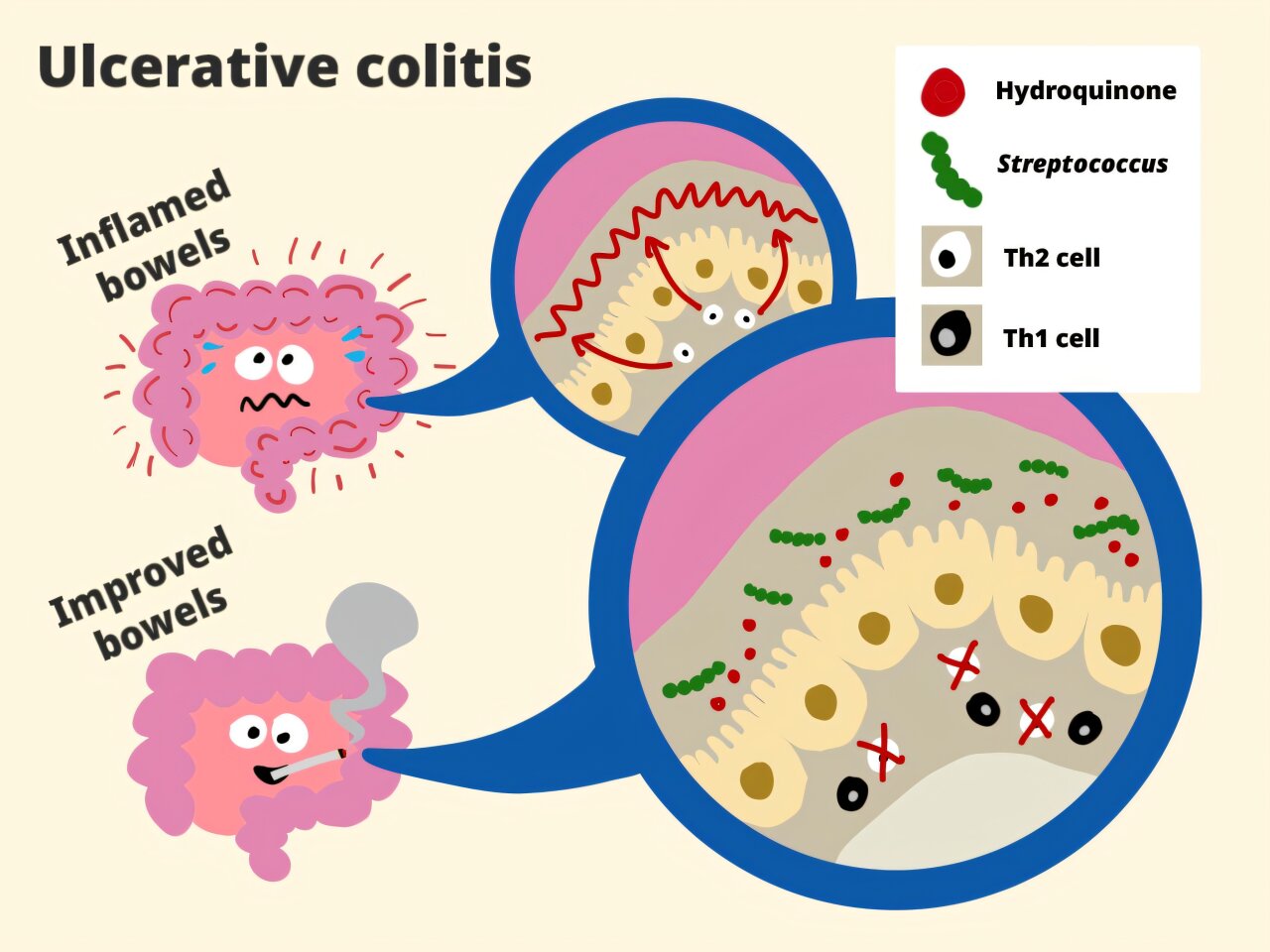
Understanding gut bacteria migration is emerging as a significant area of research, shedding light on the complex interplay between our microbiomes and health conditions like smoking and bowel inflammation. Recent findings indicate that changes in gut bacteria profiles can impact metabolic health, showcasing the broader implications of such migrations. For example, studies conducted on population shifts show that changes in dietary patterns and environmental exposures can significantly influence gut microbiota composition. This highlights a crucial point: our gut health isn’t just about what we eat, but also about where we live. According to a 2024 report, nearly 30% of gut bacteria diversity can be affected by migration-related changes. This article explores these insights, providing a deeper understanding of the phenomenon and its implications for public health.
Understanding the Migration of Gut Bacteria
The phenomenon of gut bacteria migration is tied intricately to lifestyle factors, particularly migration patterns and dietary changes. When individuals move from one geographic area to another, especially across different cultural and dietary spectrums, their microbiota undergo a transformation. A compelling study from the PubMed Central details how U.S. immigration affects gut microbiome diversity, illustrating significant shifts that can lead to health implications that necessitate further research. Moreover, the study emphasizes that these changes are not only limited to newcomers but also occur within communities exposed to rapid environmental changes. This indicates that gut health is a dynamic process, susceptible to external influences. Proper strategies for incorporating familiar foods into new environments could mitigate negative health impacts, suggesting the importance of emphasizing dietary continuity post-migration.
Health Impact of Gut Bacteria Changes
The health impacts of altered gut bacteria cannot be overstated. Migration-induced changes could escalate risks associated with chronic conditions such as obesity, diabetes, and inflammatory bowel diseases. Research has shown that shifts in microbiota can affect how our bodies metabolize food and respond to inflammatory signals. Notably, recent findings in a Scientific Reports article demonstrate that a specific gut bacterium, Fusobacterium nucleatum, can exacerbate colorectal cancer risk, particularly in populations exposed to dietary changes post-migration. This illustrates the importance of understanding the microbiome’s role in chronic disease progression, especially among migrant populations, who may face drastically different dietary environments.
📊 Key Risk Factors
- Increased Inflammation: Altered bacteria can promote inflammatory responses.
- Increased Disease Risk: Changes linked to higher obesity and diabetes rates.
Strategies to Maintain a Healthy Gut During Migration
Maintaining gut health during migration involves proactive measures. First, individuals can focus on consuming probiotic-rich foods, like yogurt and fermented vegetables, to help support gut flora diversity. Secondly, prebiotic fibers found in fruits, vegetables, and whole grains are essential for nurturing beneficial bacteria. Recent studies suggest that incorporating traditional diet components can substantially mitigate the adverse effects of migrating to a new environment. Furthermore, staying hydrated and minimizing processed foods is also integral to ensuring gut health remains balanced. For insights into effective prebiotic sources, check out the comprehensive resource provided by Frontiers in Microbiology.
Key Takeaways and Final Thoughts
The journey of gut bacteria migration holds profound implications for health, particularly as migration shapes populations. As discussed, understanding how dietary changes and microbial shifts impact health is crucial. By prioritizing gut health through informed dietary practices, individuals can better navigate these transitions. The role of the microbiome should not be underestimated in public health discussions, especially considering the increasing global mobility. For further reading, see the study on gut microbiota and migration, which highlights the association between dietary habits and health outcomes.
❓ Frequently Asked Questions
What is gut bacteria migration?
Gut bacteria migration refers to the shift in microbial communities as populations change location, significantly impacting health through alterations in diet and exposure to new environments.
How does migration affect gut health?
Migration can lead to dietary changes that alter gut microbiota composition, increasing the risk of metabolic diseases and affecting overall gut health.
To deepen this topic, check our detailed analyses on Medical Innovations section