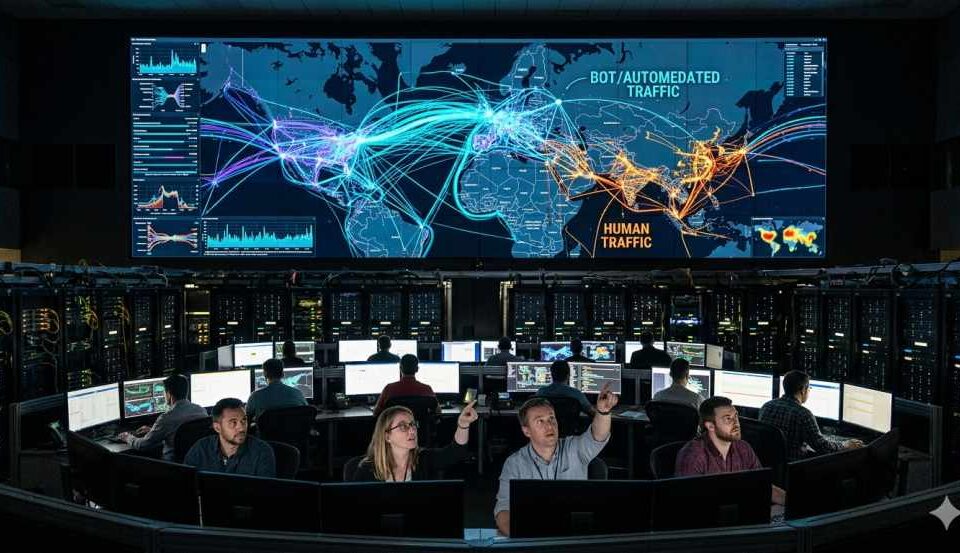
In a groundbreaking revelation, AI bots traffic has officially outpaced human traffic on the internet for the first time. This dramatic shift is more than just a statistic; it signals a paradigm change in how we interact with the digital world. According to a recent report by Human Security, automated systems have surged in prominence, outpacing human activities on various platforms, and may reshape the internet as we know it. For businesses and users alike, this transformation underscores the importance of understanding the rising tide of AI bots traffic and its implications for security and user engagement. In this article, we will delve into the key findings from the report, explore the effects on different industries, and discuss what this means for the future online landscape.
The Rise of AI Bots Traffic
The statistics surrounding the shift to AI bots traffic are staggering. In 2025, automated traffic increased nearly eight times more than that of human users. Notably, AI-driven traffic alone skyrocketed by 187%, fueled by the high adoption rates of advanced AI systems like ChatGPT and Gemini. This rapid growth in AI bots traffic signifies a historic moment where machines are not merely observers of the online ecosystem, but active participants that drive engagement and transactions.
- Automated traffic expanded by over 800% compared to human traffic.
- AI-driven traffic experienced a surge of 187% in 2025, nearly tripling monthly volumes.
Most of this automated activity is attributed to AI crawlers that make up about 67.5% of overall AI bots traffic. However, the emergence of agentic AI—AI that not only gathers information but takes action based on it—has seen explosive growth, with a staggering 7,851% increase in a single year. These systems have begun to browse products, log into accounts, and even complete transactions independently, shifting the online landscape towards machine-driven interactions.
Understanding Agentic AI and Its Impact on AI Bots Traffic
The dramatic rise of agentic AI raises both opportunities and concerns for businesses. As these intelligent systems increasingly mimic human behavior on websites, they also create new avenues for engagement. In 2025, over 75% of agent-driven actions took place on product and search pages. This trend indicates that AI bots traffic is not just about browsing; it’s about executing complex actions that previously required human intervention. Businesses that leverage these AI agents can gain access to previously untapped demand, while those unprepared may find themselves vulnerable to automated threats.
- More than 95% of AI-driven traffic is concentrated in high-value sectors like retail and media.
- Businesses can harness AI bots traffic for competitive advantage if they adapt their strategies accordingly.
Unfortunately, as the report highlights, the same paths that AI agents use for legitimate purposes are also targets for malicious activities. For instance, one in five site visits were identified as scraping attempts, a red flag for businesses striving to maintain security in a heavily automated environment. Understanding this duality of AI bots traffic—the beneficial and the harmful—is critical for companies navigating this new terrain.
Security Implications of the AI-Driven Shift
The implications of this rising AI bots traffic are profound, especially concerning cybersecurity. Recent findings revealed that account takeover attempts have quadrupled, averaging over 400,000 per organization. As AI systems increasingly execute tasks previously done by humans, the line between beneficial and malicious automation becomes increasingly blurred. A benign agent may be scanning products for a genuine customer, but it could equally be an orchestrated attack.
As highlighted by Stu Solomon, CEO of Human Security, the notion of “machine bad, human good” is obsolete. Organizations must learn to navigate a world where machines operate on our behalf, which requires establishing a new level of trust. This reality calls into question the traditional model of separating bot and human traffic as we understand the online landscape.
Navigating the Future of AI Bots Traffic
The future of AI bots traffic presents both challenges and opportunities. Companies that can adapt to these changes and harness the power of AI agents may ultimately thrive. As we witness the agentic internet taking shape, the demand for data from generative models will likely continue to escalate. In fact, experts predict that by 2027, AI bots traffic will surpass human traffic comprehensively, changing the very fabric of online interactions.
It is essential for businesses to remain vigilant and proactive in addressing these changes. As we have seen in related articles, such as AI Marketing Transformation: Unlocking Success in a New Era and the introduction of anti-AI bot features in platforms like Tinder, organizations must innovate continually to stay ahead.
Conclusion
The rise of AI bots traffic signifies not just a statistical shift but a fundamental transformation in internet dynamics. As machines continue to take on roles traditionally held by humans, understanding the implications of their actions becomes crucial. Companies must foster trust, adapt strategies, and be vigilant against potential threats posed by automated systems. The journey ahead will require a keen understanding of both the benefits and risks associated with AI bots traffic.
To deepen this topic, check our detailed analyses on Tech Startups section