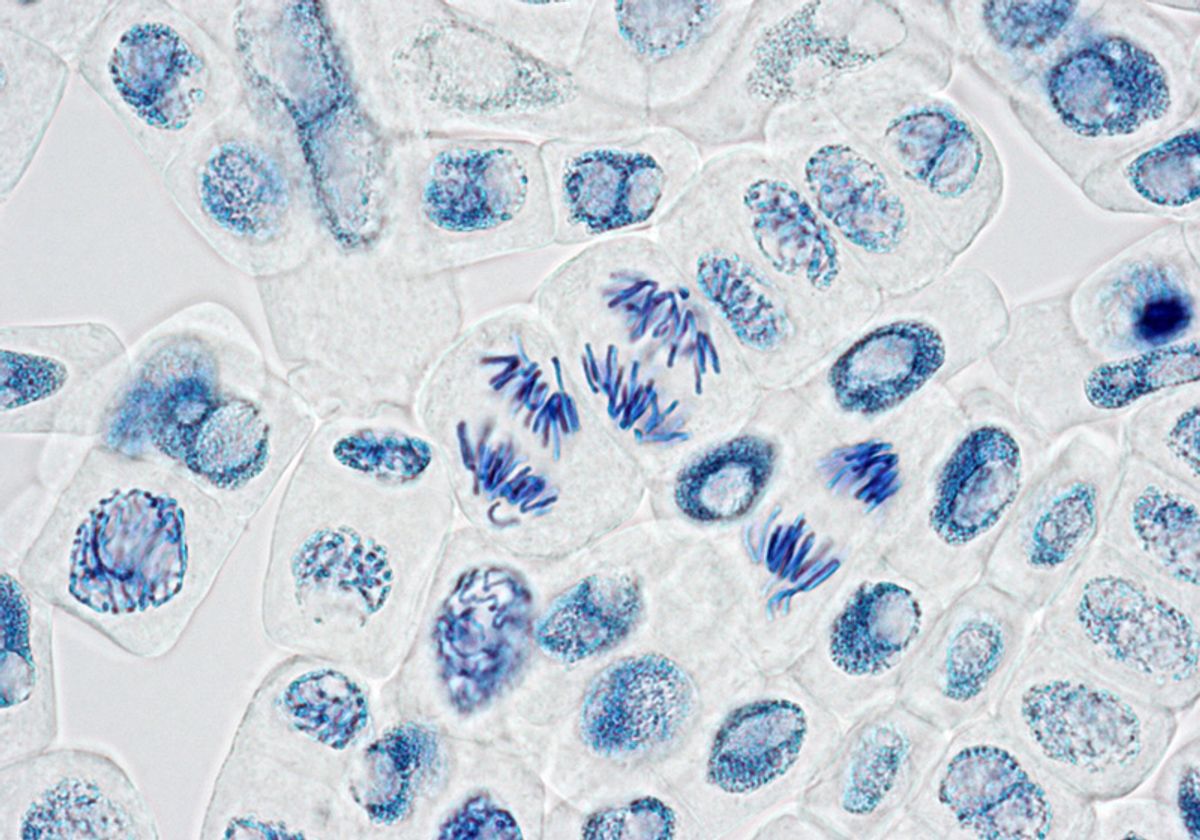
The nucleus discovery has long fascinated scientists, as it sheds light on the fundamental structures of life. A staggering 2.8 billion years ago, while Earth was undergoing dramatic shifts, life began to innovate, leading to the emergence of the nucleus. This organelle, crucial for the development of complex life forms, serves many functions, from housing DNA to coordinating cellular activities. Understanding the origins of the nucleus not only illuminates the evolutionary history of life but also promises insights into various biological processes. This article explores the intricate pathways that led to the nucleus discovery, examining different models and the latest research findings that contribute to this ongoing mystery.
Tracing the Evolution of the Nucleus
All eukaryotic organisms, from simple amoebae to complex plants and animals, trace their lineage back to a common prokaryotic ancestor—a species of archaea. The nucleus discovery connects back to the evolutionary transitions that occurred, particularly in the Asgard archaea, which are closely related to eukaryotes. Recent advancements in genetic sequencing have shown that these archaea possess a wealth of eukaryotic genes, highlighting their crucial role in this evolutionary narrative.
Researchers have proposed several models to explain how the nucleus developed, specifically the “inside-out” and “outside-in” models. The inside-out model suggests that the nucleated structure emerged through cell membrane protrusions that later fused to form the nucleus and endoplasmic reticulum (ER). This model has gained traction thanks to discoveries made in samples of Asgard archaea, where protrusions were observed under high-resolution microscopy. Conversely, the outside-in model posits that the ancestral archaeon began with a smooth surface that invaginated to create the nucleus. Both models present fascinating insights into how the nucleus discovery unfolded over billions of years.
For more insights into the genetic foundations of microbial diversity, check out our article on gut bacteria and their influence.
The Functional Evolution of the Nucleus
Modern nuclei fulfill a multitude of roles, from protecting DNA to regulating gene expression. One intriguing hypothesis regarding the original function of the nucleus is its ability to decouple transcription from translation, a feature that is pivotal in eukaryotic cells. In prokaryotes, ribosomes can begin translating mRNA transcripts before they are fully synthesized, whereas in eukaryotes, the mRNA must first complete its transcription within the nucleus. This buffer period allows for complex processes such as alternative splicing, where different mRNA segments can be removed, enabling a single gene to produce multiple proteins. The evolution of the nucleus therefore may have been driven by a selection pressure for increased genetic complexity.
As researchers investigate the biological implications of the nucleus discovery, they find parallels in studies regarding other cellular components. For instance, exploring the connection between gut bacteria and insomnia reveals how microbiomes can influence overall health, similar to how nuclei are essential for gene regulation.
Timing the Emergence of Mitochondria and the Nucleus
Scientists have proposed that the evolution of mitochondria may have influenced the timeline for the development of the nucleus. Molecular clock analyses suggest that the nucleus appeared roughly 400 million years before mitochondria, challenging previous assumptions that the two organelles coevolved. The notion that the nucleus emerged first raises fascinating questions about how cellular energy dynamics could have spurred complex organelle differentiation.
The complexity of modern eukaryotic cells reflects an evolutionary history marked by the strategic interplay of various organelles, including mitochondria. For more information on the deficiencies seen in mitochondrial function, consider reviewing our study on nutritional impacts on mitochondrial health.
Continuing Research and Future Directions
The search for answers about the nucleus is ongoing, as scientists continue to explore the genetic relationships and functions of Archaea. The Asgard group, in particular, offers a promising avenue for understanding the early evolutionary stages of cellular complexity. Ongoing studies are not only adding depth to our comprehension of the nucleus discovery but also providing foundational knowledge that bridges gaps in our understanding of cellular evolution.
Understanding the relationships between cellular structures has wide-ranging implications, including potential advancements in health and disease management. For instance, examining the links between gut bacteria and conditions like insomnia can further illuminate how cellular functions interact with broader biological systems, as highlighted in our article on gut health and sleep.
Conclusion
The nucleus discovery signifies more than just an organelle; it represents a profound evolutionary leap that enabled the proliferation of complex life forms. As scientists continue to piece together this historical puzzle, the implications reach far beyond mere cellular biology, touching on aspects of health, genetics, and evolution. We invite you to explore our extensive resources for additional insights; check out our analyses on related topics in our Public Health section.
To deepen this topic, check our detailed analyses on Public Health section