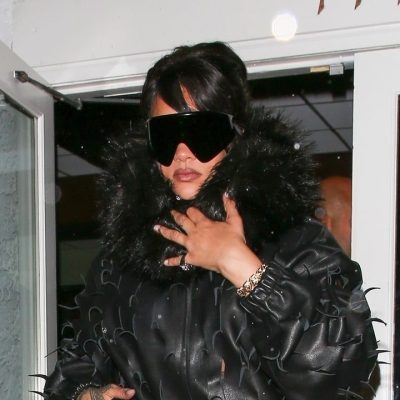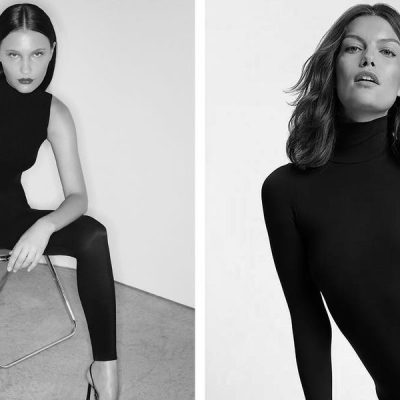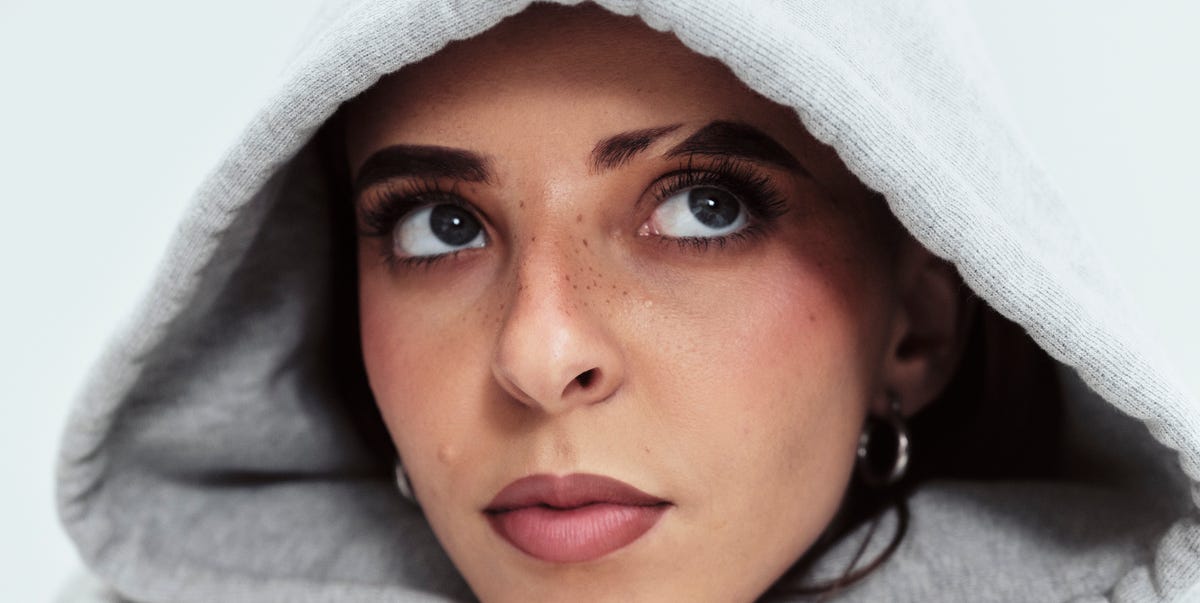
In the ever-evolving landscape of fashion advertising, Young Miko Gap emerges as a beacon of innovation and representation. When you think of iconic brands, Gap often comes to mind, synonymous with comfortable yet stylish apparel. Recently, Gap has redefined its image by launching a captivating campaign featuring the talented Puerto Rican trap rapper Young Miko, who makes history as the brand’s first openly queer Latina model. This groundbreaking collaboration is not just about clothes; it’s a statement about inclusivity and cultural representation in the fashion industry.
Did you know that many consumers consider brand values in their purchasing decisions? A staggering percentage of shoppers prioritize brands that reflect their own beliefs and identities. The Young Miko Gap campaign not only resonates with these socially conscious shoppers but also aims to create a lasting impact. This article will explore what makes this campaign unique, and how Young Miko’s artistry plays a vital role in its execution.
Redefining Representation: Young Miko’s Historic Role
The Young Miko Gap campaign marks a significant milestone, showcasing diversity and changing the narrative within the fashion world. In her debut advertisement, Young Miko embodies the essence of modern femininity, breaking barriers in a predominantly white industry. Her story resonates with many, particularly with the younger generation looking for authentic role models. It’s crucial for brands to recognize the importance of representation, not just for perception, but as a fundamental aspect of their identity.
Moreover, the campaign’s execution highlights the importance of collaboration in the arts. Directed by Bethany Vargas and styled by Caroline Newell, every aspect has been meticulously crafted to ensure that it aligns with Young Miko’s unique vibe. As she eloquently pointed out, her position wasn’t just about modeling; it was about contributing to a larger conversation around visibility and acceptance. This aligns with other industry movements, such as those discussed in our analysis of the micro-influencers affiliate program that boosts Gap Inc’s reach. The fusion of music, dance, and artistry embodies today’s multifaceted cultural landscape.
Fashion Meets Function in Young Miko’s Style
One of the standout elements of Young Miko’s campaign is her ability to blend style with functionality. She draws from her background as a professional futbol player, focusing on comfortable yet fashionable clothing. “If I wasn’t comfortable in what I was wearing, I couldn’t move properly on the field,” she states, highlighting how comfort informs her choices, even in high fashion. This reflects a growing trend where consumers gravitate towards athleisure and versatile pieces. In fact, many consumers now prefer clothing that accommodates their busy lifestyles, a significant shift in fashion priorities.
Young Miko’s favorite pieces from Gap, especially the iconic sweatpants featured in the ad, embody this philosophy perfectly. They are more than just clothing; they are a lifestyle choice for those who cherish both comfort and style. This approach is similar to the strategies discussed in our insights on how women’s health startup Tia reduced its workforce by 23% while still prioritizing their core mission. Brands need to adapt, focusing not just on aesthetics but also on the needs of their consumers.
Breaking Norms with Artistic Expression
Young Miko’s artistry is at the heart of the Young Miko Gap campaign, bringing an extraordinary energy that captivates viewers. The ad features her hit song “WASSUP,” underscoring a unique point: music and fashion can coexist in powerful ways. Her blend of choreography and attitude creates a mesmerizing spectacle that resonates with audiences. This vibrant energy reflects a cultural shift where individuality and self-expression take center stage.
The commercial serves as an invitation for viewers to embrace their authentic selves, challenging conventional beauty standards. Such movements are crucial for long-term social change, much like the importance of representation discussed in our deep dive into celebrity baby names. By promoting acceptance and diversity, brands like Gap can cultivate a connection with audiences looking for similar values.
Conclusion: The Future of Fashion Marketing
The Young Miko Gap campaign encapsulates a pivotal moment for both the brand and the fashion industry. It signifies a shift towards greater inclusivity and the power of unique voices in mainstream advertising. As we witness this transformation, it’s essential to consider the influence of such campaigns on the future of fashion marketing. Gap’s willingness to embrace this change can inspire others, encouraging a broader adoption of progressive representation.
To deepen this topic, check our detailed analyses on Fashion & Style section