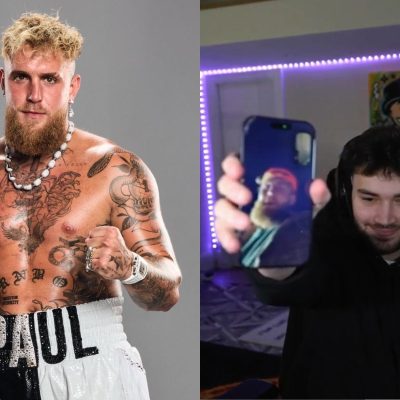
In recent developments regarding the Johnny Somali trial, shocking revelations have surfaced that could have lasting implications for the controversial internet figure. South Korean prosecutors have reportedly recommended a three-year prison sentence along with sex offender registration for Johnny Somali, whose real name is Ramsey Khalid Ismael. Such news comes amid a tumultuous legal battle that has attracted significant media attention and public interest.
This update was shared on February 27, 2026, by Andrew “Legal Mindset,” a prominent YouTuber and legal commentator, who indicated that the situation could not have deteriorated further for Johnny Somali. Reports indicate that the court has declined to dismiss deepfake distribution charges against him, despite his attempts to negotiate an unofficial settlement with a Korean streamer named Yongman. This refusal highlights the serious nature of the allegations against him and the court’s determination to proceed with full rigor.
Johnny Somali Trial Insights
Legal Mindset elaborated on the proceedings, remarking that both the judge and the prosecution were unimpressed by Johnny’s defense strategy. Crucially, they rejected his argument that cultural differences should mitigate his actions. This stance indicates a broader conversation about accountability and the consequences of one’s actions across different cultural landscapes.
This trial has far-reaching implications, not only for Johnny Somali but also for others involved in similar online activities. As highlighted by the ongoing discussions, irresponsible behavior and misuse of digital platforms can have serious repercussions, reinforcing the need for responsible content creation and consumption.
The Recommended Sentencing and Its Implications
During the proceedings, it was disclosed that prosecutors are pushing for a three-year sentence with mandatory manual labor and registration as a sex offender. This is a significant penalty that underlines the gravity of the charges against him. Legal Mindset pointed out that this case is particularly notable as it is set against the backdrop of increasing scrutiny over the use of deepfake technology and its potential for harm.
In Johnny’s case, the specifics of the charges include the distribution of deepfake materials that have raised legal and ethical questions. The judge’s decision to schedule the sentencing for April 15, 2026, stretching out the process, further complicates matters, increasing the anxiety and uncertainty surrounding the outcome of the trial.
The Role of Social Media in High-Profile Cases
This sentencing date sets the stage for a significant moment in internet law, and it draws attention to how social media has altered the landscape of legal accountability. The case has become a focal point for discussions about the intersections of technology and law. Johnny’s responses—and his lack of formal statements regarding these developments—have also sparked debate among followers and critics alike.
Social media’s role in shaping public perception and influencing the legal process cannot be understated. The instant dissemination of information can sway opinion and create bias before a trial is concluded, raising ethical questions about the relationship between public perception and judicial proceedings.
Conclusion: Reflecting on Consequences
The Johnny Somali trial serves as a crucial case study in the evolving narrative of digital accountability. With a sentencing recommendation pending, the implications of this trial extend beyond the individual into broader discussions surrounding online behavior, the power of digital content, and its legal ramifications.
To deepen this topic, check our detailed analyses on Streaming & Platforms section