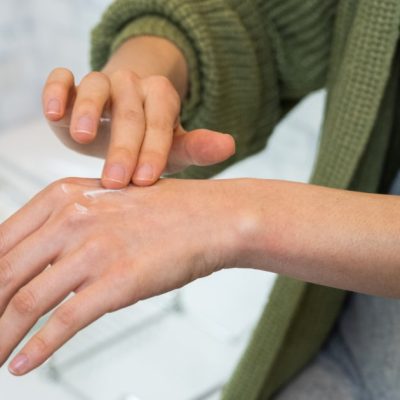
In a world where skincare routines often overlap with culinary delights, the concept of using sake skincare is taking center stage. This innovative trend isn’t just a novelty; it’s rooted in a rich history that connects Japanese culture and beauty. Sake, Japan’s cherished rice wine, has been more than just a delightful beverage; it serves as a powerful ingredient packed with beneficial properties for your skin. Today, thanks to forward-thinking Japanese breweries, this long-guarded beauty secret—once favored by Geishas—is now making waves in modern beauty routines.
As we explore the phenomenon of sake skincare, you’ll discover not only the benefits of this unique ingredient but also the compelling stories behind its rise to popularity. Join us as we unravel the science and tradition that make sake a standout in the world of skincare.
Unlocking the Secrets of Sake in Skincare
The use of sake in beauty routines traces back centuries, but its resurgence in contemporary skincare is driven by both tradition and modern science. Sake contains an array of amino acids, vitamins, and enzymes that are essential for healthy skin. These components are known to promote skin renewal, hydrate deeply, and enhance elasticity. Moreover, one of the by-products of sake, known as sake kasu or “sake lees,” is especially rich in alpha hydroxy acids (AHAs), making it a gentle exfoliant that helps to smoothen pores.
- Rich in amino acids for hydration
- Contains enzymes that promote skin renewal
According to recent trends, this fascination with sake skincare aligns perfectly with the Japanese beauty market, which is projected to grow significantly over the coming years. The Japanese skincare sector currently stands strong, accounting for 43.6% of all cosmetic shipments in 2023, with the market forecasted to reach USD 18.41 billion by FY 2031.
Similar to strategies discussed in our analysis of hyaluronic acid, sake’s expansion into skincare is a natural evolution, tapping into both the cultural heritage of Japan and the current consumer demand for high-quality, effective products.
The Transition from Breweries to Beauty
Japan’s sake breweries face unique challenges in the modern economy. As traditional practices adapt to the changing market, many are branching out beyond producing beverages. One such notable entry is Tonoike Sake Brewery, which has embraced the skincare trend by launching its own line. The third-generation owner shared how their understanding of fermentation process opened doors into creating skincare products that resonate with both locals and tourists.
- Creative skincare products like sake soap
- Utilization of local agricultural resources, such as rice extracts
Tonoike’s journey exemplifies how sake skincare can be more than just a commercial venture; it’s a homage to their heritage. They emphasize that if the sake is good enough to drink, it should also be beneficial for the skin. Their product line, Kuramoto Bijin, skillfully incorporates sake kasu, promising the same nourishment that the brewery offers through its beverages. This blend of tradition and modern skincare science is at the heart of what many consumers today seek.
The Evolving Consumer Landscape
As younger consumers increasingly demand authenticity and transparency, the appeal of sake skincare remains evident. The growing trend is driven by the desire for unique, ingredient-rich products that tell a story. This cultural significance enhances the perceived value of these skincare items, making them highly attractive to a health-conscious audience.
Furthermore, Japan’s pivot toward eco-conscious practices helps promote sake as a sustainable alternative. Sake lees, which were once merely a by-product, are now emerging as a coveted ingredient in skincare. This reflects a shift toward zero-waste beauty narratives that resonate strongly with today’s eco-aware consumers.
As explored in our reports about body oil benefits, sustainability is more than a trend; it’s a movement that aligns perfectly with the benefits of sake skincare.
Innovative Formulations and Cultural Heritage
The beauty of sake skincare doesn’t just lie in its ingredients but also in the stories they carry. Each product is a testament to generations of expertise and the meticulous fermentation process that goes into sake brewing. For brands like Tonoike, the craft of brewing translates seamlessly into crafting quality skincare, providing an authentic experience that is both familiar and innovative.
A key element of this cultural transition lies in education. As more people learn about the benefits of various sake ingredients—such as hydration from amino acids and gentle exfoliation from natural enzymes—they become more receptive to integrating these products into their skincare routines. This knowledge empowers consumers to make informed choices, further driving the success of sake skincare.
In a similar way to our findings in AI parenting concerns, it’s clear that understanding and appreciation of the ingredients play essential roles in today’s beauty landscape.
Conclusion: The Future of Sake in Skincare
The prospects for sake skincare seem bright as it continues to resonate with consumers seeking authenticity, heritage, and effective results. As traditional brewing methods meld with modern beauty trends, the narrative surrounding sake evolves into an extraordinary exploration of history and innovation. With established brands waking up to the potential of this potent ingredient, we’re likely to see even more compelling formulations emerge on the market.
To deepen this topic, check our detailed analyses on Beauty & Skincare section