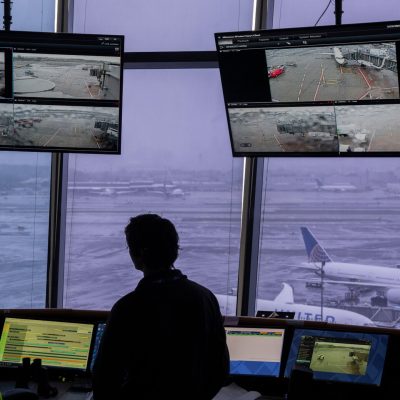
Air travel is becoming increasingly unpredictable, especially in light of current events leading to significant flight disruptions across the United States. With airlines struggling to manage operational challenges amid ongoing government shutdown discussions, travelers are feeling the brunt of unexpected delays and cancellations. Did you know that during government shutdowns, flight delays can increase by up to 50%? This statistic highlights the pressing need for travelers to prepare adequately for their journeys. In this article, we will delve into the various factors causing flight disruptions and provide actionable tips to mitigate their impact.
Understanding the Causes of Flight Disruptions
Several elements contribute to the chaos that often unfolds at airports, but a few key challenges frequently arise. These include:
- Weather-related issues: Severe weather patterns, such as snowstorms or heavy rainfall, have a direct impact on flight disruptions.
- Political and operational concerns: Events like the government shutdown can lead to staffing shortages and increased delays at air traffic control centers, as seen in recent events where discussions in Washington directly affected airport operations.
For example, at Chicago O’Hare Airport, travelers faced significant delays due to a mix of poor weather and the disruptions caused by government negotiations. In scenarios like this, passengers must stay vigilant for updates on their flights and potential schedule changes. This is akin to the AWS outage, where external factors influenced many industries due to the lack of necessary personnel and resources.
Impact of Flight Disruptions on Travelers
Travelers often find themselves at the mercy of these unexpected flight disruptions. It’s not just about delays; there are several ripple effects:
- Increased stress: The uncertainty and anxiety of potential cancellations can weigh heavily on passengers, leading to a negative travel experience.
- Financial implications: Travelers may incur extra costs, such as purchasing additional tickets or booking last-minute accommodations.
- Altered itineraries: Unexpected delays mean that passengers may miss connecting flights, leading to further complications in their travel plans.
For instance, as noted by travelers at O’Hare, many checked their phones constantly for updates, reflecting the anxiety that accompanies a travel journey during turbulent times. This situation highlights why understanding the conditions surrounding flight disruptions is essential for effective travel planning.
Proactive Steps for Managing Flight Disruptions
Being prepared can make a significant difference when navigating challenges related to flight disruptions. Here are some practical actions travelers can take:
- Stay informed: Regularly check for updates from airlines and airports to stay ahead of potential issues.
- Flexible booking: Consider flexible fare options to make changes easier if travel plans alter unexpectedly.
- Plan for contingencies: Having backup plans, such as alternate flights or nearby hotels, can alleviate stress during unexpected travel events.
As explored in our analysis of air traffic staffing shortages, proactive measures can significantly minimize the negative impacts of flight disruptions.
The Role of Government and Airlines
Government policies and airline practices play an essential role in mitigating flight disruptions. Cooperative efforts and continuous communication between authorities and airlines can help manage operations effectively. When the government cannot ensure adequate staffing levels, airlines face challenges in maintaining service quality. This lack of coordination leads to chaos at airports, as experienced during recent shutdown discussions.
In light of this, airlines must advocate for better policies that support seamless operations. Similar to the AI reforms in the healthcare sector, restructuring air travel policies could lead to improvements in how disruptions are handled, ushering in a new era of efficiency and reliability.
Lessons Learned from Past Disruptions
Historically, travelers have faced numerous challenges due to flight disruptions. A poignant reminder of this was seen during significant events, where delays rose sharply, impacting millions. The data indicates patterns that can provide insights for future travel planning.
- Trends in disruptions: Analyzing past disruptions can help identify periods of higher risks, such as holiday seasons.
- Psychological preparedness: Understanding the emotional toll of potential disruptions can guide travelers in managing expectations and stress.
However, it’s essential that broader societal issues—like the rising youth mortality rates—are also addressed, as they point to larger systemic problems that may contribute to operational challenges in various sectors, travel included.
Conclusion: Preparing for Flight Disruptions
As the landscape of air travel continuously evolves, the occurrence of flight disruptions remains a significant challenge for travelers. By taking proactive measures—and advocating for consistent improvements in airline policies and government operations—individuals can better navigate the unpredictable nature of air travel.
To deepen this topic, check our detailed analyses on Travel & Tourism section.