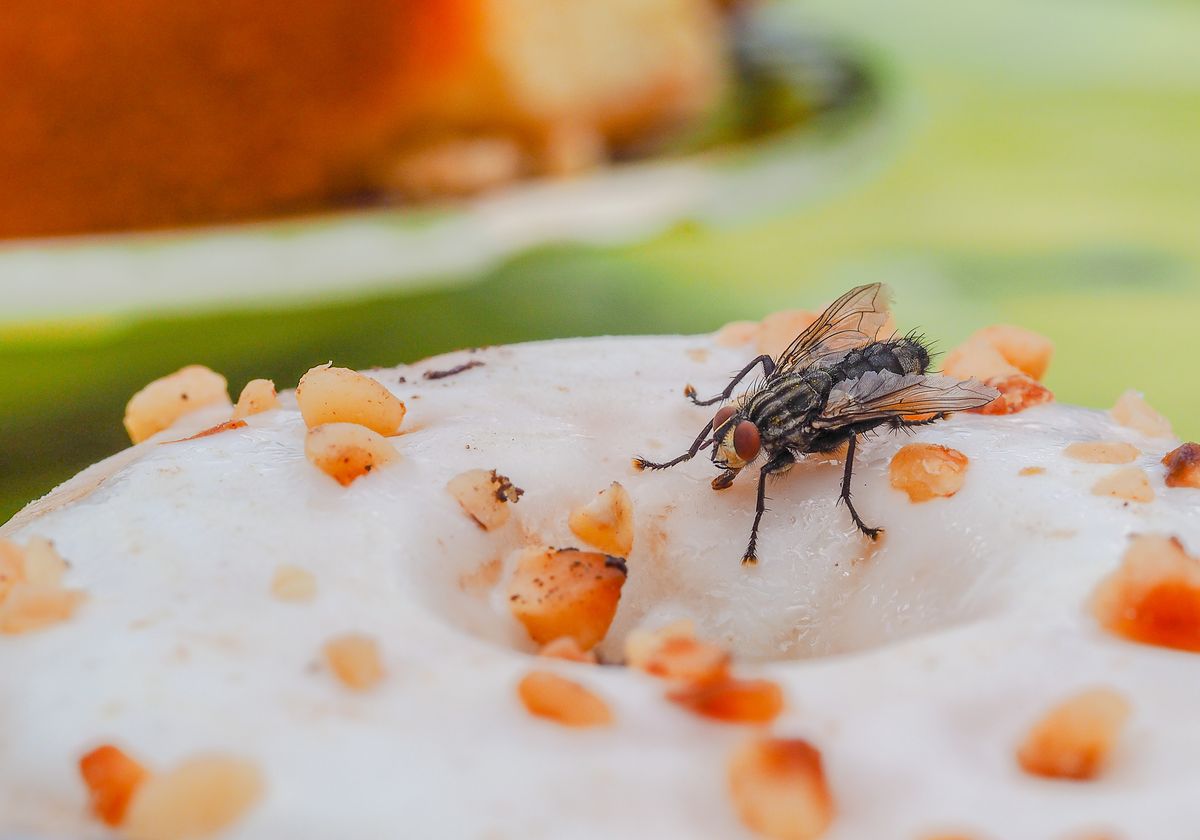
Flies landing on our food is not just an unsettling sight; it poses serious health risks through fly contamination. A statistic you might find surprising is that a single housefly can carry thousands of bacteria on its body, which can easily transfer to the food we consume. As disgusting as this may be, understanding the implications of fly contamination can be essential in protecting our health. In this article, we will delve into the mechanics of how flies transmit pathogens, what this means for food safety, and ways to minimize risks.
Understanding Fly Contamination: The Science Behind It
Flies can act as vectors for numerous pathogens, leading to fly contamination on the food they touch. According to researchers, a housefly can carry around 1 million microorganisms on its body, including bacteria responsible for foodborne illnesses.
When flies land on our food, these microbes can easily transfer, especially if the food has been sitting unprotected.
What can result from fly contamination? The health implications depend on the type of bacteria and the individual’s immune response. Even a small number of pathogenic bacteria can cause illness in vulnerable populations, but for most healthy adults, occasional contact with a fly might not have severe consequences.
For instance, in a 2011 study in Japan, researchers estimated that only 25 to 1,000 colony-forming units (CFUs) of Escherichia coli are necessary for illness, highlighting the alarming ability of just a few transferred microbes to potentially sicken us. This underscores why it’s crucial to be aware of how flies can compromise our food safety.
The Microbial Load: How Much Can a Fly Transfer?
Studies have shown that houseflies can transfer significant quantities of pathogens. One study revealed that houseflies exposed to contaminated food could carry as many as 30 to 40,000 CFUs when landing on a clean surface. So, what does this mean for your leftovers? If a fly lands on your food while it’s still warm, the risk of serious contamination might be minimal as bacteria may not have enough time to grow. However, if food is left out for a while, the warm environment may encourage bacterial growth.
Flies often frequent open dumpsters, animal waste, and spoiled food; thus, their bodies can become reservoirs for harmful microbes. The type of waste they are attracted to can correlate directly with the types of pathogens they carry, leading to more significant risks when they land on our meals.
Reducing the Risk of Fly Contamination
While it’s challenging to avoid all encounters with flies, there are effective measures to reduce fly contamination risks:
- Keep Food Covered: Always cover food items when serving or storing leftovers.
- Maintain Cleanliness: Regularly clean and disinfect your kitchen surfaces.
- Seal Waste Containers: Ensure your trash cans are well-sealed to prevent attracting flies.
By implementing these simple strategies, particularly around food preparation and storage, you can significantly lower the chances of becoming ill from fly contamination.
The Role of the Immune System
How does our body respond to bacterial exposure from flies? For individuals with strong immune systems, accidental consumption of tiny amounts of contaminated food may lead to mild gastrointestinal upset rather than severe illness. Doctors recommend practices like good hygiene and cooking food thoroughly to mitigate health risks.
However, for those with compromised immune systems, the stakes are considerably higher. In such cases, even minimal exposure could turn into serious health issues. Educating oneself about foodborne illnesses and understanding how fly contamination works is crucial for protecting those at higher risk.
Conclusion: Awareness is Key
Awareness of fly contamination is essential for maintaining food safety. With the understanding that one fly can transfer thousands of bacteria, we must take proactive measures to reduce risks in our kitchens and dining areas. It’s all too easy to overlook the simple act of covering food or ensuring cleanliness, but these practices can significantly safeguard our health.
To deepen this topic, check our detailed analyses on Public Health section.