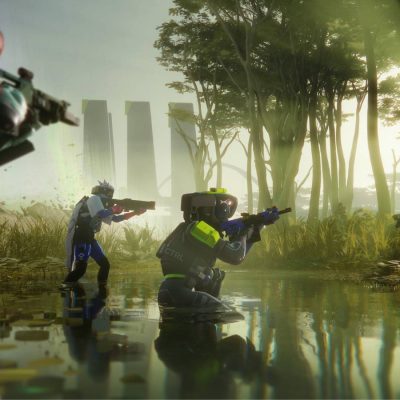
In the fast-evolving world of gaming, one of the most surprising trends is the rise of Black Ops 7 AI Art. Following the recent release of Call of Duty: Black Ops 7, Activision faced scrutiny regarding its alleged use of generative AI in the creation of game assets. This revelation might not just shake the foundations of game development; it could redefine how we view art in video games. With a staggering 87% of developers utilizing AI tools, the conversation surrounding AI art has never been more relevant. In this article, we explore the implications of these accusations, what they mean for the future of gaming, and how Black Ops 7 AI Art fits into this landscape.
Understanding the Controversy Surrounding Black Ops 7 AI Art
The discussion ignited when players began to identify potential instances of AI-generated images in Black Ops 7. This scrutiny brought to light Activision’s official stance on the matter. In response to inquiries from media outlets, they stated, “Like so many around the world, we use a variety of digital tools, including AI tools, to empower and support our teams to create the best gaming experiences possible for our players.” This declaration signifies a broader trend within the industry, indicating a shift towards the integration of technology—specifically, AI in creative processes. However, it raises a few pertinent questions: Are AI-generated assets a step toward innovation or a compromise of artistic integrity?
The shift towards utilizing AI isn’t without its consequences. The community’s mixed reactions highlight the tension between embracing technology and preserving traditional art forms. For more context on the backlash against AI in gaming, you can read about it in our analysis of the controversy sparked by Valkyrae.
The Impact of AI in Game Development
The impact of AI on Black Ops 7 AI Art cannot be overstated. AI technologies are increasingly seen as tools that can enhance creativity rather than replace it. They support developers by streamlining tasks like asset generation and environmental design, allowing more time for innovative gameplay mechanics. As a result, gaming studios can produce stunning visuals and immersive experiences more efficiently.
Statistics show that generative AI is now a central tool among game developers. According to recent surveys, a significant percentage of game creators endorse using AI to simplify creative tasks. AI-generated assets promise cost reductions in a gaming landscape where budgets soar to millions of dollars. However, with advantages come challenges—players have raised concerns about the authenticity of artistic expression and the use of AI algorithms, which can sometimes produce generic results.
Studios like Activision face the dual challenge of leveraging AI for efficiency while also addressing player concerns. Similar to strategies discussed in the recent gaming feuds, maintaining a balance between innovation and community expectations will be crucial.
The Future of AI Art in Gaming
Looking ahead, the integration of Black Ops 7 AI Art and other AI technologies will likely grow across the industry. Major players like EA and CD Projekt Red have expressed concerns about public backlash against AI, yet the drive toward efficiency in game production cannot be ignored. Players can expect to see more AI-generated elements in upcoming titles, reflecting a typical cycle of technological adaptation.
As AI continues to evolve, its role in game development may widen, potentially ushering in a new era where artists and AI collaborate rather than compete. Transparency will be key; as seen with the required disclosure of AI use on platforms like Steam, companies must take responsibility for clarifying the extent of AI involvement in their products.
You can read more about how the gaming industry is evolving in light of these technological advances in our exploration of Valkyrie’s innovative approaches.
Player Perspectives and Industry Reactions
Player perception plays an essential role in shaping the future of Black Ops 7 AI Art. Many fans cherish the artistic components that enhance narrative and gameplay, leading to debates about AI’s role in preserving these standards. While the use of AI art may streamline production, it risks alienating a community that values authentic craftsmanship.
Moreover, negative responses from players can influence the industry as companies gauge consumer sentiment to guide their creative decisions. As observed in the discussions around AI-related controversies and Valkyrae’s past challenges, player feedback can shape a game’s trajectory significantly.
In conclusion, as the industry grapples with these shifts, the future of AI-generated art will depend on how studios handle community concerns and balance innovation with their commitment to artistry.
Conclusion: Embracing Change While Honoring Tradition
The emergence of Black Ops 7 AI Art is a prime example of how technology can influence the gaming landscape. As developers adopt AI to enhance the creative process, they must remain vigilant about the implications for artistry and authenticity. The evolution of gaming art will likely be shaped by ongoing dialogues between creators and players, emphasizing the need for collaboration, understanding, and, most importantly, respect for the artistic journey.
To delve deeper into related topics and understand how gaming intersects with culture, check our detailed analyses on the Gaming section.
To deepen this topic, check our detailed analyses on Gaming section