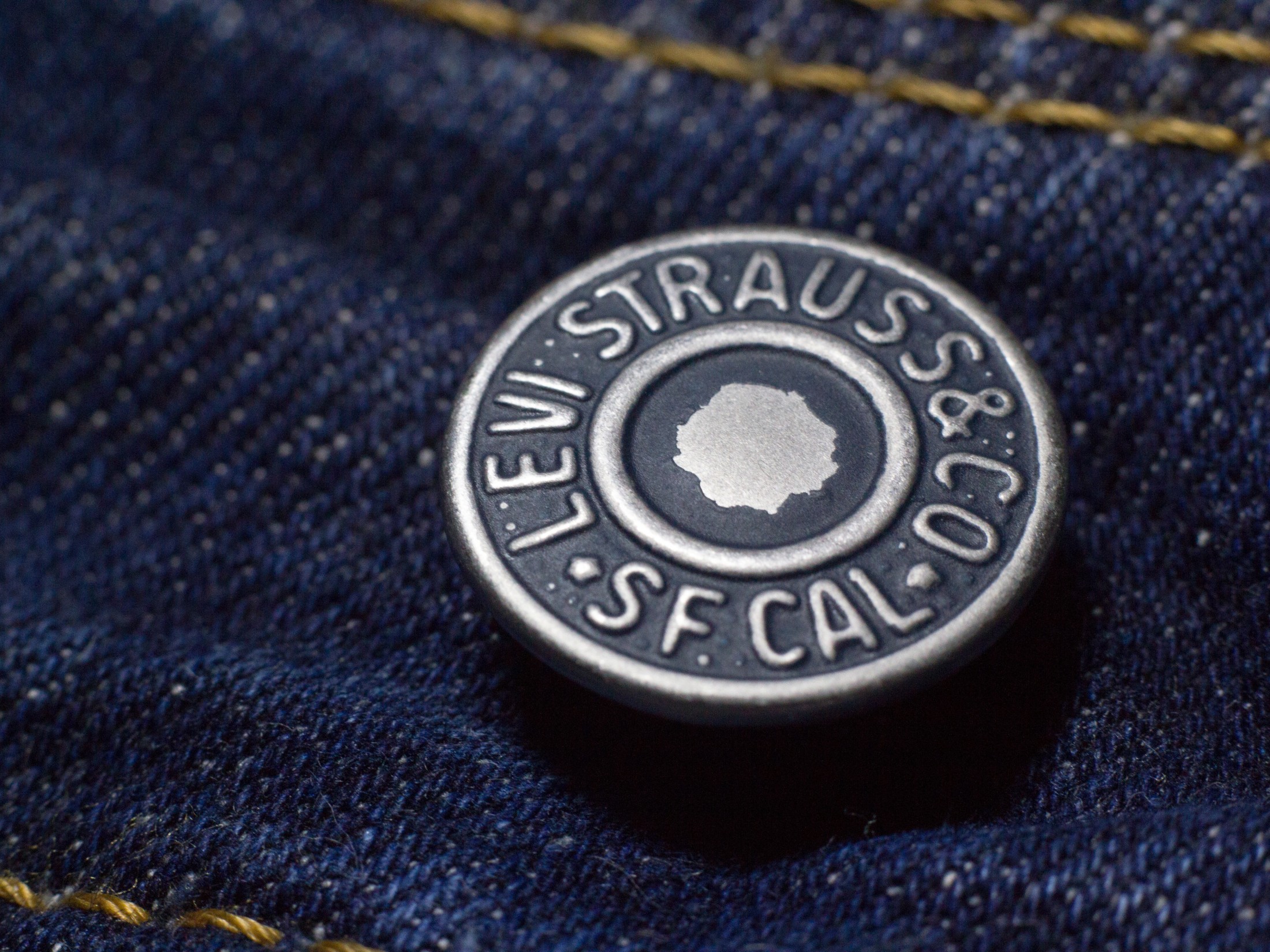
As the landscape of retail continues to evolve, surprisingly, one of the most iconic brands in apparel, Levi Strauss & Co., is integrating cutting-edge technology to revolutionize its business. By implementing Levi Strauss AI solutions, the nearly 175-year-old company is transforming its operations to prioritize a direct-to-consumer (DTC) model, allowing for enhanced customer experiences and streamlined productivity. This shift demonstrates the potential of advanced technologies to reshape traditional business models. In this article, we will delve into how Levi Strauss is effectively utilizing AI and cloud platforms to navigate this significant transformation.
Harnessing Levi Strauss AI for Enhanced Operations
At the heart of Levi Strauss’s initiative is the deployment of agentic AI solutions. By leveraging Microsoft’s Azure platform, the company has developed an “orchestrator agent” integrated within Microsoft Teams. Dubbed a “superagent,” this technology acts as a single conversational portal for employees across various environments, including corporate offices, retail locations, and warehouses. This innovation allows Levi Strauss to streamline workflows by reducing the need for employees to navigate multiple applications.
As Jason Gowans, Chief Digital and Technology Officer at Levi Strauss & Co., puts it, “We’re rewiring Levi Strauss & Co to be a DTC-first, fan-obsessed retailer making every interaction faster, smarter, and more personal.” This commitment not only elevates employee productivity but also enhances consumer engagement by enabling a seamless interaction experience.
For promoting internal collaboration, the company has also invested in tools such as GitHub Copilot. This AI-driven assistant is particularly beneficial for quality engineering and release management projects. Employee feedback indicates significant improvements in speed and data handling capabilities, demonstrating the profound impact of Levi Strauss AI on overall productivity.
The Cloud Foundation of Levi Strauss AI Implementation
Central to Levi Strauss’s digital transformation is the robust cloud infrastructure that supports AI integration. By migrating application workloads from traditional on-premises data centers to Microsoft Azure, the company has established a consolidated environment that is crucial for advanced AI models. This move not only enhances operational efficiency but also solidifies the company’s security posture.
Through Microsoft Azure AI Foundry and Semantic Kernel, Levi Strauss is building intelligent automation capabilities while implementing security measures within the AI framework. By maintaining a zero-trust security model, the company ensures that its AI-driven initiatives can be scaled effectively across its global operations.
Moreover, with tools like Microsoft Intune, Levi Strauss is optimizing its device management processes, facilitating zero-touch onboarding and application deployment. These strategies lay the groundwork for a secure, agile, and innovative working environment that can adapt to new technologies.
Creating a Unified AI Ecosystem
Levi Strauss demonstrates a comprehensive approach to adopting AI by creating a unified ecosystem rather than a fragmented one. This methodology integrates AI agents, developer tools, and new hardware, all built on a shared cloud platform. Keith Mercier, VP of Worldwide Retail and Consumer Goods Industry at Microsoft, emphasizes that Levi Strauss “exemplifies how iconic brands can reinvent themselves with cloud and AI technologies.”
For enterprises seeking to pivot towards a DTC business model, the Levi Strauss case study serves as an invaluable blueprint. By closely linking AI adoption with foundational cloud migration, the company is achieving high-value outcomes, transforming how it engages with consumers.
These advancements echo trends observed in other industries, such as those detailed in our analysis of AI marketing startups. Just as these startups are leveraging AI for innovative growth, so too is Levi Strauss, driving the evolution of retail.
Insights from Recent Events Affecting Levi Strauss
Furthermore, recent external factors have also influenced Levi Strauss’s strategy, as evidenced by industry-wide challenges like the recent AWS outage. This incident highlighted the critical importance of cloud reliability, prompting Levi Strauss to reinforce its digital infrastructure to ensure business continuity. Such disruptions serve as a reminder that in today’s digital economy, agility is crucial.
The Road Ahead for Levi Strauss & AI
In conclusion, as companies navigate the complexities of modern retail, Levi Strauss sets a powerful example of how integrating AI can reshape operational frameworks and elevate consumer engagement. The ongoing commitment to a DTC-first approach powered by AI showcases the brand’s dedication to innovation.
Moving forward, Levi Strauss must continuously assess and enhance its technology strategies. For those interested in delving deeper into the intersection of AI and retail strategies, additional insights can be explored in related topics such as the challenges observed at Best Buy as well as broader market trends affecting companies aiming to regain lost momentum, similar to what we’ve seen in Bitcoin treasury strategies.
To deepen this topic, check our detailed analyses on Artificial Intelligence section