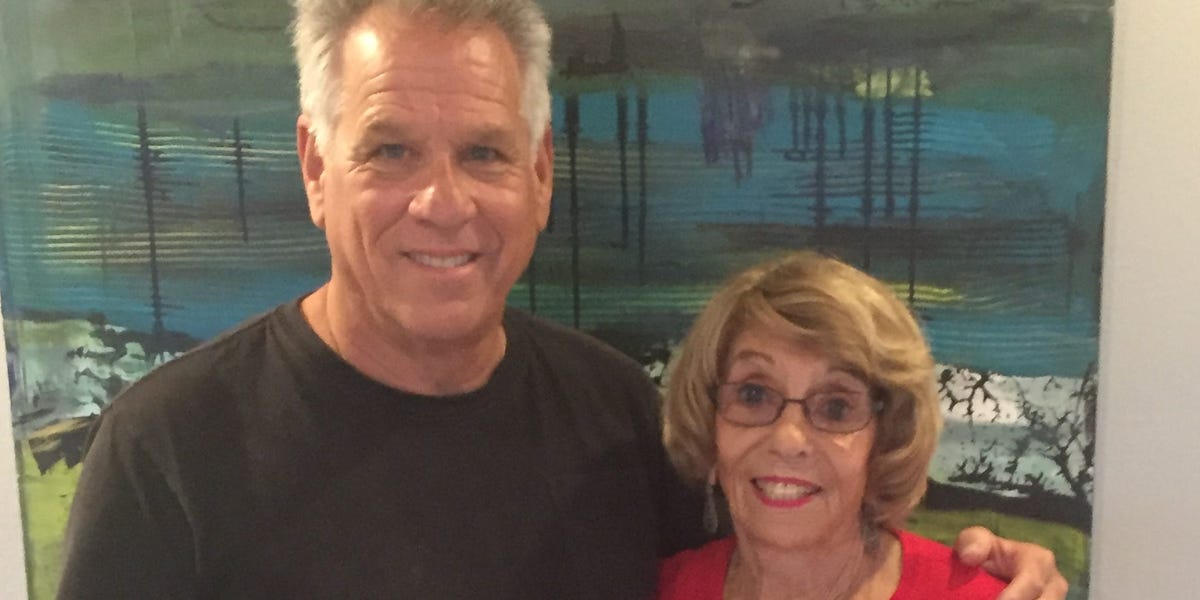
At the age of 73, Robert Fishman finds himself in a deeply emotional situation as he navigates the complexities of dementia caregiving for his mother, Annette, who is 97 years old. This profound journey has not only highlighted the challenges of caring for a loved one with dementia but has also forced Robert to confront his own mortality. With the realities of dementia caregiving permeating his life, he offers insight into the struggles faced, including the emotional toll and the moments of beauty that persist amidst the hardships. Understanding this experience can be invaluable for anyone else involved in similar circumstances.
Navigating the Struggles of Dementia Caregiving
Robert recounts the shift in his mother’s life after her official diagnosis of dementia two and a half years ago. She was once a thriving, independent woman who enjoyed driving and actively participated in her community. The transition to needing assistance has been difficult for both mother and son. Robert, like many caregivers, found that the vitality of the woman he once knew has sadly diminished. Dementia caregiving requires extraordinary resilience and emotional strength from those in similar situations.
The reality is stark: Robert visits his mother every other day, but these visits are marked by challenges. Often, Annette mistakes Robert for her late husband, which forces him to navigate the difficult terrain of recognition and loss. He recalls moments of frustration as his mother can sometimes become combative, reminding him that dementia caregiving is not only about physical care but also about emotional management. Caregivers must often balance the emotional rollercoaster that accompanies memory loss.
The Emotional Toll of Caregiving
As Robert continues to witness the effects of dementia on his mother, he reflects on how this experience has shaped his perspective on life. Recognizing the stage of life he is in, he shares, “It’s a constant reminder when people you know die in their 70s.” This realization adds a dimension of urgency and existential contemplation to the experience of dementia caregiving. Such reflections are common among caregivers who often bear the weight of impending loss.
Taking care of a loved one with dementia often leads to deep introspection. For Robert, this means considering his own future and the possibility of suffering from similar cognitive ailments. He expresses a desire for autonomy, stating, “If I develop something like Alzheimer’s or Parkinson’s, I would prefer to make an early enough decision not to live anymore.” This statement resonates with many caregivers who grapple with the moral implications of aging and the impact of diseases like dementia on personal autonomy and quality of life.
Finding Strength Through Art and Creativity
In the midst of these challenges, Robert channels his grief and emotions into creativity. He has taken up art which serves as an outlet for his feelings about dementia caregiving. “I’ve developed the concept of deconstructed landscapes, which relates to the idea of memory loss.” This artistic expression helps him cope with the painful realities of watching his mother decline.
Moreover, Robert is writing a children’s book titled “Bubby’s Still Here,” aimed at helping young kids understand familial shifts due to dementia. The book, drawing inspiration from his cultural ties, exemplifies how creativity can serve as a bridge between generations during difficult times. Similar to strategies discussed in addressing caregiver guilt, exploring creative outlets can be essential in managing stress and finding healing.
Connecting with Family and Building Empathy
Robert’s children not only visit their grandmother but also share their experiences with her, reinforcing familial bonds. This multigenerational support demonstrates the importance of community in dementia caregiving. Engaging younger family members helps build empathy in children, as they witness the struggles of their loved ones. As explored in our analysis of multigenerational living, these experiences create profound lessons in compassion and understanding.
The elderly population is increasing, and understanding the dynamics of dementia caregiving can positively impact the younger generation. By fostering open discussions about age-related challenges, such as the realities faced by caregivers, families can cultivate an environment of support and awareness.
Conclusion: The Importance of Understanding and Support
Caring for a loved one with dementia is both a profound challenge and a deeply emotional experience. As Robert Fishman’s poignant story illustrates, the realities of dementia caregiving are multifaceted, encompassing loss, reflection, and a commitment to love. Sharing these experiences is crucial, not only for awareness but also for fostering support among caregivers.
To deepen this topic, check our detailed analyses on Parenting section