Diabetes is a complex condition that carries not only physical challenges but also emotional burdens. Despite advancements in medical technology, managing diabetes can often feel overwhelming for patients. Meryem Talbo, a renowned postdoctoral fellow at Stanford University, is pioneering research that seeks to bridge the gap between clinical insight and technology to enhance diabetes care. By focusing on how nutrition, psychology, and modern technology can be harmonized, her work aims to not only address the physiological aspects of diabetes but also reduce the emotional strain that comes with it. This article delves into Meryem Talbo’s groundbreaking research and its implications for diabetes management.
The Human Side of Diabetes Management
For many individuals living with type 1 diabetes, daily management can create a myriad of challenges. Meryem Talbo has dedicated her career to understanding these challenges from a clinical perspective, using her experience as a registered dietitian to inform her research. Initially inspired during her undergraduate studies at McGill University, she recognized the crucial role that nutrition plays in chronic diseases, particularly diabetes. Her work pursues the larger goal of improving health outcomes for those managing diabetes by lessening the burden through innovative methods.
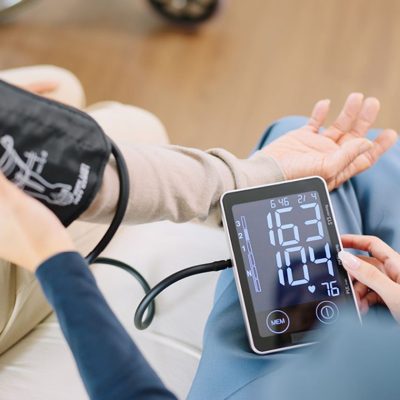
One of the critical findings from Talbo’s ongoing research is the importance of patient-centered care. In her systematic review and meta-analysis published in “EClinicalMedicine,” she demonstrated that technologies like continuous glucose monitoring (CGM) and automated insulin delivery (AID) systems can significantly reduce patients’ anxiety related to hypoglycemia—a common concern among those living with diabetes. This dual-focus on both technology and emotional health marks a significant shift in diabetes management paradigms.
Integrating Technology into Everyday Life
As technology continues to evolve, so do the opportunities for improving diabetes care. Meryem Talbo envisions a future where technology is seamlessly integrated into daily routines to empower patients. By specifically assessing how diabetes technologies can reshape patients’ experiences, she is contributing to a shift towards more personalized care. This is critical given that previous literature often overlooks the real-world struggles of individuals managing diabetes.
- The incorporation of real-time feedback from devices can help patients make informed decisions.
- Adopting a patient-centric approach ensures that emotional well-being is prioritized alongside physical health.
Her research emphasizes the need for tailored solutions that empower patients rather than complicating their lives. By engaging patients in these discussions, practitioners can better address individual needs, ensuring that the emotional and psychological experiences of diabetes care are equally valued.
Outcomes Beyond Glycemic Control
The implications of Talbo’s research extend beyond simply managing blood sugar levels. Her team is exploring how adopting advanced diabetes technologies can lead to improved quality of life. This approach reflects a crucial evolution in how diabetes care is approached. Instead of targeting only physical health metrics, her work champions a more holistic model of care that recognizes the intricate interplay between physical health, emotional well-being, and quality of life.
Additionally, recent studies indicate that patients using CGM are less likely to experience fear and anxiety related to their condition, which further enhances their quality of life. The adoption of these technologies is showing promising benefits, not just in managing glucose levels, but in treating the emotional burdens of diabetes. Through innovative research and advocacy for patient-centered methodologies, Meryem Talbo is at the forefront of transforming diabetes care practices effectively.
Collaborative Research for Broader Impact
Meryem Talbo emphasizes collaboration within the scientific community, highlighting the advantages of interdisciplinary approaches to diabetes research. By working with health professionals, technologists, and patients alike, her goal is to translate research findings into practical applications that can be deployed in real-world settings. This model encourages constant feedback and iterative improvements, ensuring that innovations are truly beneficial to patients.
Given the complexities surrounding diabetes, Talbo’s research aims to foster a community-oriented approach where technology not only serves medical purposes but also enhances social support networks. As seen in initiatives like customer service automation, integrating technology can bring people closer together, making healthcare systems more efficient.
Shaping the Future of Diabetes Care
As Meryem Talbo continues to explore the intersections of nutrition, psychology, and technology, her research has the potential to redefine how healthcare systems approach chronic diseases, particularly diabetes. By ensuring that the emotional and psychological aspects of diabetes care are not relegated to the background, her work aims to create a future where diabetes management is more humane, connected, and effective.
Meryem’s journey is an inspiration, showcasing how a deep understanding of both science and the patient experience can lead to groundbreaking research that ultimately enhances the lives of individuals living with diabetes.
To deepen this topic, check our detailed analyses in the Public Health section
In conclusion, the comprehensive research led by Meryem Talbo signifies a crucial shift towards more integrated and emotionally considerate diabetes management strategies. As these approaches gain traction, the healthcare community can collectively improve the quality of life for countless individuals living with diabetes, paving the way for future advancements in chronic disease management.