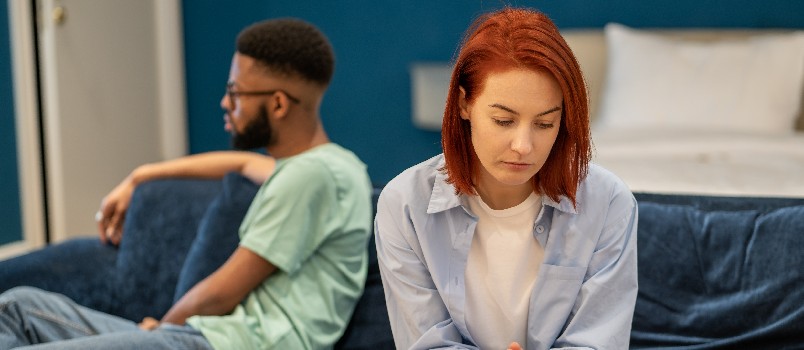
Relationships are often described as a beautiful journey of love and companionship. However, they can be marred by issues like colorism in relationships, which has deep cultural roots and presents significant challenges. A surprising 37% of individuals report experiencing colorism, highlighting how prejudice based on skin tone affects personal connections. This issue can create emotional distances and misunderstand the complexities of attraction and compatibility. In this article, we’ll explore the profound impact of colorism in relationships and what can be done to foster love free from its harmful effects. By the end, you’ll gain valuable insights and practical steps towards building healthier, more inclusive relationships.
Understanding Colorism in Relationships
Colorism, a form of discrimination based on skin tone, is more prevalent in many cultures than overt racism and can seep into personal relationships. It often manifests as a preference for lighter skin tones, creating disparities in how individuals are perceived and treated based on their complexion. This bias can lead to feelings of inadequacy and self-doubt among those with darker skin, impacting their ability to connect meaningfully with partners. Acknowledging how colorism in relationships influences dynamics—starting from dating rituals to long-term partnerships—is essential for fostering understanding.
- Enhancing awareness surrounding this issue can promote healthier relationship practices.
- Encouraging open discussions about experiences with colorism in relationships can empower individuals to challenge these biases.
The Emotional Toll of Colorism
The emotional consequences of colorism in relationships are profound. Individuals with darker skin may face societal pressures that color their perceptions of self-worth and desirability. Such biases can diminish one’s confidence and skew interpersonal relationships, leading to complications that adversely affect partners and communities. For instance, studies have shown that people often unconsciously link lighter skin tones with positive traits like intelligence, beauty, and success, while darker skin is often associated with negative stereotypes.
In romantic settings, this bias manifests in several ways:
- Discomfort in intimacy due to insecurities related to appearance.
- Lower likelihood of being prioritized in social or dating scenarios.
As explored in our analysis of adolescent love’s impacts, the perceptions formed during youth often carry into adulthood, thereby perpetuating cycles of bias in romantic relationships.
How to Combat Colorism in Your Relationship
Combatting colorism in relationships requires both personal commitment and mutual efforts. Here are practical steps that couples can take:
- **Open Dialogue:** Encourage discussions about each partner’s experiences related to skin tone and biases faced. This creates a platform for empathy and understanding.
- **Education:** Stay informed about the history and implications of colorism. Partner with resources that illuminate these issues, including discussions on healthy relationships.
The journey towards addressing colorism in relationships is gradual, but it’s vital to acknowledge that every small step can lead to substantial changes.
Creating Inclusive Environments
Building an inclusive relationship extends beyond personal partners to the social circles surrounding them. Friends and family play a crucial role, as they can either reinforce biases or help dismantle them. Couples should strive to create environments where diversity is celebrated. Group activities, community work, and educational events targeted towards discussing colorism can enhance collective understanding.
Furthermore, viewing oneself through a lens of empowerment contributes positively to relationships. Just as our analysis of Type D personality traits emphasizes understanding individual differences, partners should view each other through a lens free from societal discrimination.
Real Conversations about Colorism
The discussions about colorism in relationships must not shy away from the difficult themes of race, identity, and self-image. Engaging in honest conversations, sharing personal stories, and acknowledging biases openly leads to healthier recognition of each partner’s struggles. This can be particularly vital in interracial relationships, where differences in backgrounds may bring up unique challenges.
As referenced in our previous work concerning cluster B personality traits, recognizing different personality types helps cultivate compassion, reducing reliance on superficial biases influenced by skin tone.
Conclusion: The Path Forward
While the journey to addressing colorism in relationships is undoubtedly complex, it starts with intentional awareness and communication. By actively engaging in discussions, educating ourselves, and committing to opposing biases, we can create more inclusive relationships where love transcends color. Remember, understanding and combating these issues is not just about personal relationships; it’s a societal endeavor that will only succeed through collaborative efforts.
To deepen this topic, check our detailed analyses on Relationships & Dating section.