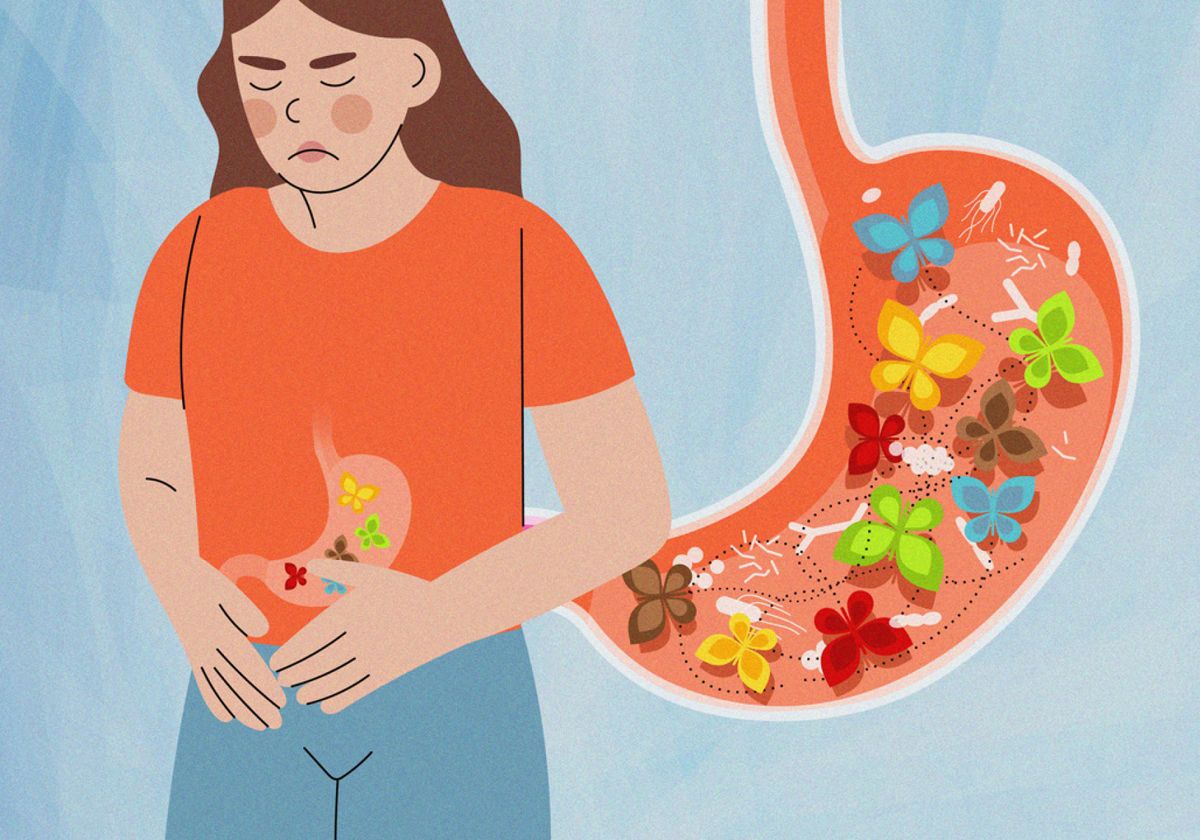
Have you ever felt a fluttering sensation in your stomach when faced with challenges or exciting moments? This phenomenon is commonly referred to as having butterflies in the stomach. It’s a feeling many have experienced, whether it’s nerves before a presentation or excitement on a first date. But what causes these butterflies in the stomach to flutter, and why do they manifest in such moments?
Understanding the Science Behind Butterflies in the Stomach
The sensation of butterflies in the stomach is deeply rooted in our emotional responses and physiological reactions. When we experience stress or excitement, the brain triggers a series of responses in our body, often dubbed the fight-or-flight response. This mechanism is activated by various neurotransmitters, with norepinephrine being one of the first to react.
As we feel a rush of emotions, the sympathetic nervous system kicks in, causing the heart rate to increase and muscles to prepare for action. Interestingly, during this process, blood is redirected away from the gut towards the limbs and muscles. This physiological change is what contributes to the butterflies sensation in the stomach. Stress hormones like adrenaline may also surge, influencing the gut’s own network of neurons and causing that familiar flutter.
Our gut, often referred to as the “second brain,” plays a critical role in how we experience emotions. It communicates closely with the main brain through the vagus nerve, impacting our feelings of stress and anxiety. This connection further emphasizes how our emotional state can lead to the sensation of having butterflies in the stomach.
The Role of Gut Microbes
Recent studies shed light on the fascinating interaction between our gut microbiota and emotions. For instance, researchers have found that certain gut bacteria can influence our stress responses. One study conducted by neurobiologist Wei-Li Wu illustrated this relationship by examining how specific gut microbes affect behavior.
In the experiment, mice placed under stress displayed anxious behaviors. However, when researchers altered the gut microbiome—specifically targeting the bacterium Enterococcus faecalis—the mice exhibited decreased stress levels and increased social interaction. This illustrates a remarkable connection: gut health may significantly affect emotional well-being, contributing to feelings of butterflies in the stomach.
It’s essential to recognize that while these butterflies are often triggered by emotional stimuli, the role of our gut microbiome cannot be understated. The interplay of stress hormones and gut bacteria leads to a complex reaction that further influences how we experience fear and excitement.
Practical Implications of Butterflies in the Stomach
Understanding the science of butterflies in the stomach can help individuals manage their emotions more effectively. For example, knowing that anxiety may be mitigated by nurturing gut health opens up avenues for mental wellness strategies. Incorporating probiotic-rich foods into your diet can support your gut microbiome and potentially help reduce feelings of anxiety and fear.
To this end, consider integrating gut-boosting condiments into your meals. Foods enriched with probiotics can help maintain a balanced gut and support emotional health. Strategies like these resonate with the principles outlined in our analysis of healthy habits that can transform your life.
Conclusion: Embracing the Flutter
Next time you find yourself feeling those familiar butterflies in the stomach, remember the intricate dance between your gut and your brain. This sensation is not merely a figurative expression but a physical response driven by your biology. By understanding the reasons behind these flutters and their connection to emotional health, you can glean insights into managing your feelings more effectively.
As you navigate life’s challenges, consider exploring more about the factors influencing both your mental and physical well-being. You can find related strategies on effective management techniques that enhance your interactions or learn how exercise can boost your immune system. All these factors work together in shaping our experiences and responses.
To deepen this topic, check our detailed analyses on Public Health section