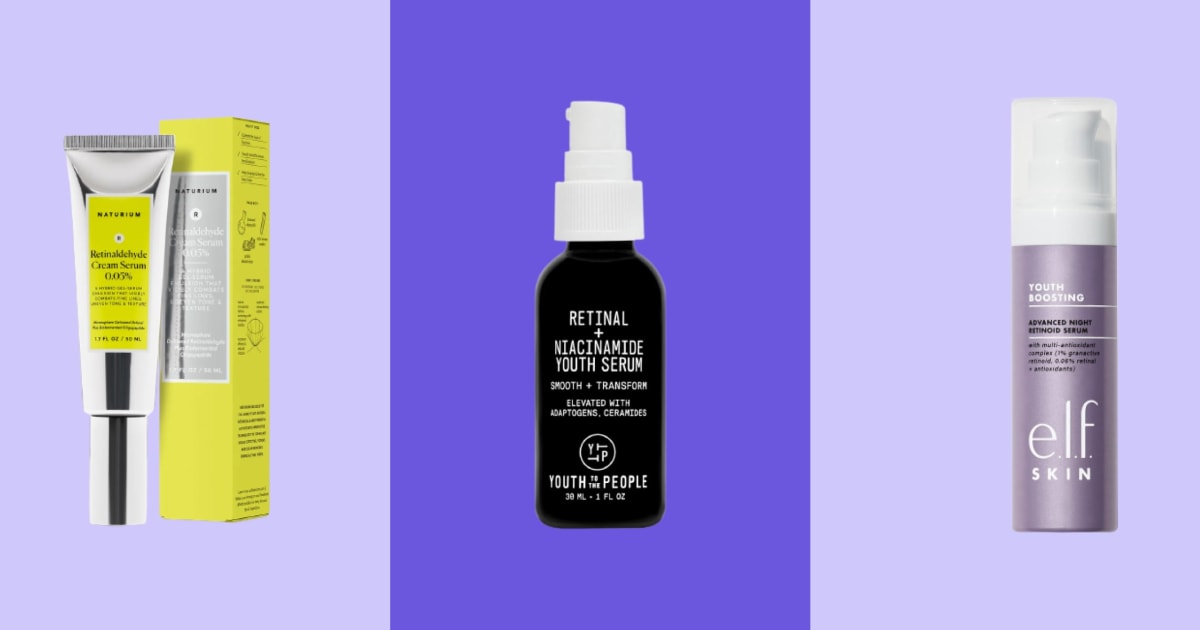
Did you know that the choice between retinal and retinol could significantly transform your skincare routine? While both ingredients belong to the same family of retinoids and are derived from vitamin A, they offer different benefits and results. In the ongoing debate of retinal vs retinol, it’s essential to understand their roles and choose the right one for your skin type and concerns. This article delves deep into the nuances of these two powerhouse ingredients, offering insights to help you make an informed decision.
Understanding Retinal and Retinol
Before we dive into the benefits of each, let’s clarify what retinal and retinol are. Both compounds are forms of vitamin A used in skincare for their ability to combat aging, enhance skin texture, and address various skin concerns. Retinol is more widely known and frequently found in over-the-counter skincare products. It transforms into retinal inside the skin, which then converts into retinoic acid, the active form responsible for its effects. Retinal, short for retinaldehyde, is a more potent version that only requires one conversion to retinoic acid, making it faster acting and often more effective with fewer irritations.
Benefits and Uses of Retinal vs Retinol
When comparing retinal vs retinol, it’s vital to highlight their specific benefits:
- Retinal works faster for skin rejuvenation, providing visible results in a shorter time frame.
- Both help reduce the appearance of fine lines and wrinkles while boosting collagen production.
- Retinal may be particularly beneficial for individuals with more resilient skin types due to its potency.
- Retinol is often recommended for those who are new to retinoids, allowing your skin to adjust gradually.
Choosing the Right Product for Your Skin
When deciding between retinal and retinol, consider your skin’s needs, tolerance, and specific concerns. For those looking for rapid improvement and who have experienced using retinoids, retinal could be the best option. However, if you have sensitive skin or are new to the retinoid family, starting with retinol can lessen the risk of irritation. Furthermore, dermatologists recommend incorporating either into your routine slowly to avoid excessive dryness or peeling.
Though both forms can effectively treat acne, pigmentation, and aging, less is often more. It’s wise to combine use with hydration products or moisturizers to maintain skin balance. Additionally, consider consulting your dermatologist for personalized recommendations tailored specifically to your skin type.
Recent Developments and Trends
Skincare science is always evolving, and the spotlight on retinal vs retinol continues to grow. Recent studies and innovations in formulations have made retinal more accessible and easier to tolerate for various skin types. Products now often combine these retinoids with beneficial ingredients such as hyaluronic acid and antioxidants, further enhancing their effectiveness while minimizing potential side effects.
In exploring available products, consider looking into high-quality serums or creams specifically labeled with retinal or retinol. Popular options include renowned brands like Youth to the People or Skinbetter Science that invest in research for optimal formulations. They often contain enhanced delivery systems that can help improve results and efficacy.
Conclusion
To sum up, the debate of retinal vs retinol boils down to individual skin needs and preferences. Both offer exceptional benefits, with each serving unique functions. By understanding their differences, you can enhance your skincare routine with products that yield real results. As the world of skincare breeds innovation, staying informed will help you choose the proper path in achieving your skincare goals. Explore more insights on similar topics by checking out our detailed analyses on rosacea treatments or body oils for a healthy glow.
To deepen this topic, check our detailed analyses on Beauty & Skincare section