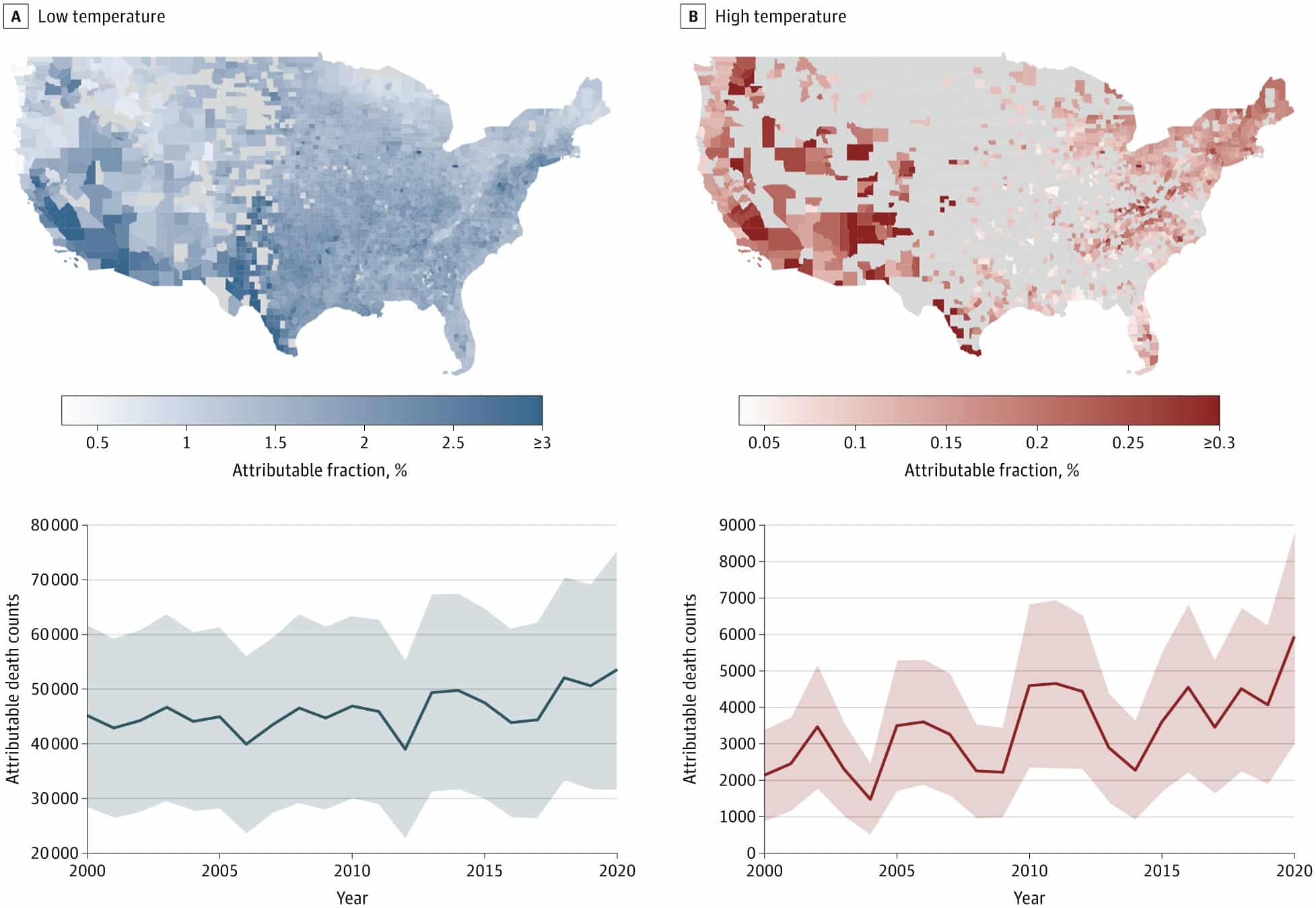
As climate change continues to alter weather patterns, the impact on human health has become increasingly alarming. A recent study reveals that heat-related deaths have surged over the past two decades, underscoring a growing public health crisis. In fact, deaths attributed to heat exposure rose by a staggering 53% from 2000 to 2020. This alarming statistic highlights the urgency of addressing this public health issue and implementing protective measures to reduce the risk of heat-related fatalities. Our journey through understanding heat-related deaths begins here, exploring their causes, consequences, and the actions we can take to combat this rising threat.
Understanding Heat-Related Deaths
The term heat-related deaths encompasses fatalities caused by excessive heat exposure. This phenomenon is often exacerbated by environmental factors such as humidity, urban heat islands, and personal health conditions. Vulnerable populations, including the elderly and those with pre-existing health conditions, are particularly at risk. Understanding the mechanics of how heat impacts human health is essential for prevention.
According to the Yale School of Public Health study, while cold remains a leading cause of mortality in the United States, the frequency and intensity of extreme heat are on the rise. This pattern correlates with global climate changes, leading to more frequent heatwaves and extended periods of high temperatures. Similar to strategies discussed in surviving in extreme climates, awareness and understanding of heat effects are vital for developing effective responses.
Key Factors Contributing to Heat-Related Deaths
The increase in heat-related deaths can be attributed to several interrelated factors:
- Climate Change: The ongoing rise in global temperatures leads to more frequent and intense heatwaves, increasing the likelihood of heat-related emergencies.
- Demographic Changes: An aging population and growing urbanization contribute to greater vulnerabilities, leading to heightened mortality rates.
- Lack of Access to Resources: Individuals who lack access to cooling centers or adequate hydration are at a significantly higher risk for heat-related health issues.
- Occupational Hazards: Certain industries that require outdoor work expose employees to heightened risks of heat exposure, increasing the potential for illness or death.
According to the Yale study, regions in the United States experience different impacts from extreme temperatures, further complicating preventive measures. For example, the western U.S. encounters a higher percentage of deaths due to heat, emphasizing the need for tailored regional strategies to combat this epidemic and providing lessons similar to those found in our analysis of youth mortality trends.
The Health Consequences of Heat Exposure
Heat exposure has direct and indirect consequences on human health. Directly, excessive heat can lead to heat exhaustion, heatstroke, and even death. Indirectly, it can exacerbate chronic health conditions, particularly cardiovascular and respiratory diseases. Vulnerable groups, including the elderly, young children, and individuals with pre-existing conditions, face a disproportionately higher risk of morbidity and mortality.
The study illustrates that the link between heat exposure and death is not a standalone issue but rather intertwined with demographic and environmental stressors. Recent data highlight the urgency of implementation of preventive measures, especially considering the findings that link heat exposure to increased mortality rates from circulatory and respiratory diseases, as well as external causes, which can involve accidents and fatalities associated with heat stress.
By promoting awareness and preventive measures, similar inquiries have shown how to mitigate risks associated with environmental stressors, such as those identified in our examination of AI and health care policy reforms.
Preventing Heat-Related Deaths: Community Strategies
Preventing heat-related deaths requires a multifaceted approach that engages communities, health systems, and policy-makers. Here are effective strategies to consider:
- Public Awareness Campaigns: Educating communities about heat risks can save lives. Initiatives should emphasize the importance of hydration, recognizing heat-related symptoms, and knowing when to seek medical help.
- Creating Access to Cooling Resources: Establishing more public cooling centers, especially in underserved areas, provides essential relief during extreme heat.
- Building Infrastructure Resilience: Urban planning must consider green spaces and materials that can reduce heat absorption, making cities more hospitable even during hot spells.
- Emergency Response Plans: Communities should develop and regularly update emergency response plans tailored for extreme heat conditions, facilitating timely interventions.
Cities like Phoenix have implemented innovative solutions to combat heat-related risks, mirroring strategies discussed in surviving heat waves. Implementing similar strategies nationwide could mitigate the rising tide of heat-related fatalities.
Conclusion: A Call for Action
The increase in heat-related deaths signals a pressing public health challenge that demands immediate action. The interplay of climate change, demographic shifts, and urbanization necessitates a comprehensive response strategy. Each individual, community, and policy-maker has a role to play in addressing this urgent issue. By promoting awareness, improving resource access, and enacting effective policies, we can make significant strides toward preventing the tragic consequences of excessive heat.
Further information on related health risks is essential as we strive to enhance public health responses. For a deeper exploration of these interconnected matters, consult our analysis on the surge in obesity-related cancers and other health innovations.
To deepen this topic, check our detailed analyses on Medical Innovations section