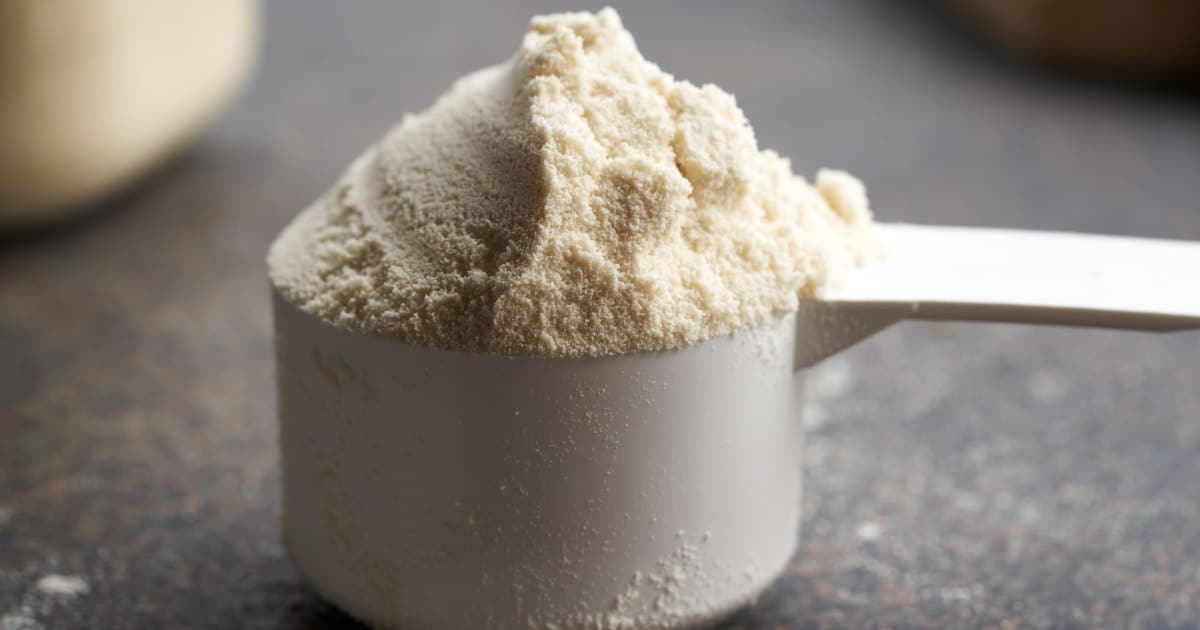
Nutrition trends come and go, but one mainstay in the diet industry is undeniably protein powder lead. Recently, protein has taken center stage, with products infused into everything from snacks to meals. However, if you’re relying on protein powders and shakes to boost your protein intake, there’s crucial information you need to consider. A recent investigation by Consumer Reports revealed that of the 23 protein powder brands tested, more than two-thirds contained levels of lead exceeding what food safety experts deem safe for consumption in a day. Read on to discover what this means for your health and how to make informed choices.
Understanding the Risks of Lead in Protein Powders
The results from Consumer Reports show a startling reality. A substantial percentage of popular protein powders contain concerning lead levels. In fact, many samples tested showed up to 10 times more lead than the recommended daily intake of 0.5 micrograms. This presents a significant health risk, especially for those consuming protein shakes regularly as part of their diet. According to the World Health Organization (WHO), lead exposure can lead to serious health issues including hypertension, kidney damage, and cardiovascular problems.
Types of Protein Powders: Which Are Safer?
Given the alarming results, it’s essential to know which protein powders pose the most risk. The test results indicated that plant-based protein powders had the highest levels of lead compared to dairy-based options. While the latter is not free from contamination, it typically showed lower concentrations. For example, brands like Naked Nutrition Vegan Mass Gainer were recommended to avoid completely, while others were advised against daily consumption but could be used occasionally. When selecting your protein sources, remember the importance of choosing products that have transparent sourcing and clear testing methods.
- Products to Avoid: Avoid brands like Naked Nutrition Vegan Mass Gainer and Huel Black Edition.
- Limit Use: Reduce reliance on brands like Garden of Life and Momentous.
To navigate the complex world of protein powders, prioritize quality over quantity. Do thorough research on the brands and consider alternatives such as whole food sources of protein whenever possible. You can also explore nutritious lunch ideas tailored for kids’ growth and health, as discussed in our Nutritious Lunch Ideas.
How Brands Are Addressing Lead Concerns
You may be wondering how the protein powder industry is responding to these findings. Many brands, like Garden of Life and Orgain, have asserted that they test their products extensively for heavy metals and ensure their ingredients are sourced safely. They acknowledge the naturally occurring metals found in the environment and promote their rigorous quality checks as a commitment to consumer safety. For example, Huel countered Consumer Reports’ claims, highlighting their ongoing independent testing which showed lead levels below recognized safety limits. This kind of transparency is vital for consumers seeking healthy protein options.
Additional Protein Powder Alternatives
For those looking to consume protein without the associated risks of lead, exploring brand alternatives is essential. Products identified as safe for regular consumption include:
- Optimum Nutrition Gold Standard Whey
- BSN Syntha-6
- Owyn Pro Elite High Protein Shake
By selecting reliable brands and staying informed, you can incorporate protein into your diet safely. Not only should you focus on protein sources, but also consider healthy habits that contribute to your overall wellness. Check out our article on Healthy Habits to Transform Your Life for actionable tips.
Conclusion
In conclusion, while protein powder lead is a serious concern, awareness empowers you to make healthier choices. Strive for transparency in the brands you select and, when possible, emphasize whole food sources for protein. With the right knowledge, you can enhance your nutritional intake without compromising your health. To dive deeper into the subject, explore our extensive resources available in the Beauty & Skincare section.
To deepen this topic, check our detailed analyses on Beauty & Skincare section