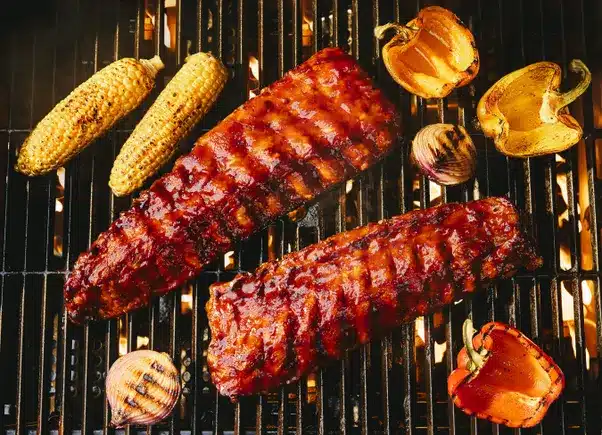
In the ever-evolving world of marketing, connecting with new generations is essential for sustaining brands and products. The **pork marketing Gen Z** strategy is making significant strides as brands adapt to meet the preferences of younger consumers. Surprisingly, the National Pork Board is embarking on a campaign designed to refresh the perception of pork, moving away from its legacy as “The Other White Meat” to a more modern and vibrant image. This strategic shift is crucial in a time when younger consumers are seeking authenticity and culinary innovation in their food choices. By focusing on the appeal of pork and highlighting its versatility, marketers aim to create an engaging narrative that resonates with millennials and Gen Z. This article delves deep into the methodologies and insights behind this transformative campaign in pork marketing.
Pork’s New Age Appeal in Marketing to Gen Z
The pork industry’s effort to capture the attention of a younger demographic is evident in their strategic shift towards more modern marketing initiatives. The campaign, titled “Taste What Pork Can Do,” emphasizes strong visuals and relatable food experiences. This initiative aims to obliterate the outdated associations created by the previous tagline, which positioned pork as a secondary choice to poultry.
David Newman, CEO of the National Pork Board, aptly points out that a significant problem with the past marketing approach was its implication that pork was an inferior protein. In contrast, the campaign aims to showcase the variety and flavor available in pork products. This realignment is not just about changing a tagline; it’s about redefining the cultural narrative around pork.
- Stop referring to pork as “the other white meat”
- Emphasize pork’s rich flavor and versatility
This innovative marketing pivot aims to align with Gen Z’s love for culinary diversity, food trends, and sustainability. Modern consumers crave foods that do more than satiate hunger; they seek meals that foster experiences and connections. By focusing on this aspect, the National Pork Board is redefining its approach and planning for a future where pork can flourish across various culinary landscapes.
Engaging Culinary Experiences to Attract a Younger Audience
The campaign “Taste What Pork Can Do” took a novel route by partnering with influencers and culinary experts to create unique food experiences. A remarkable example was the interactive dining event titled “New Pork City,” where renowned food influencer Joshua Weissman showcased innovative pork dishes. This not only captured attention but also generated significant social media buzz—an effective way to engage Gen Z.
BarkleyOKRP, the agency behind the campaign, expertly integrated digital strategies, understanding that most of the target audience is immersed in social media platforms. By utilizing vibrant visuals and relatable content, the campaign effectively communicates the essential message: pork should be celebrated, not relegated to a secondary choice.
- Incorporation of social media platforms for engagement
- Creative utilization of influencers to showcase pork recipes
As explored in our analysis of red meat diets, there is a growing interest in health and nutrition among younger consumers. This campaign aligns with their desire for nutritious options without compromising on taste.
Building Trust through Transparency and Sustainability
Another critical component in the pork marketing strategy is establishing trust through transparency. Today’s consumers, particularly Gen Z, are more conscious of where their food comes from and the ethics behind its production. The National Pork Board is proactively addressing these concerns by emphasizing farming practices, sustainability, and nutritional benefits.
By promoting the environmental and health attributes of pork, the pork industry can build trust with consumers. For example, studies suggest that including pork in a balanced diet can contribute to overall well-being due to its rich nutritional profile. Additionally, as outlined in our research on meat consumption, educating consumers on nutritional aspects can enhance their understanding and appreciation of pork as a viable protein source.
- Promoting sustainable farming practices
- Highlighting health benefits of pork in nutrition
Engagement with transparency is crucial to transforming perceptions and fostering brand loyalty among consumers who prioritize ethical considerations in their food choices.
Leveraging Data-Driven Insights for Effective Marketing
The marketing effort surrounding **pork marketing Gen Z** includes a data-driven approach that allows for targeted campaigns that resonate closely with consumer preferences. By analyzing purchasing behavior and preferences, marketers can tailor their messaging to align with the unique desires of younger audiences.
The National Pork Board collaborates closely with agencies to identify consumer trends and understand what drives purchasing decisions. As referenced in our study on healthy fats, capturing detailed consumer insights plays a pivotal role in optimizing marketing efforts, especially in a fast-paced digital landscape where tastes can shift rapidly.
As part of a comprehensive data strategy, metrics such as household penetration, repeat purchases, and overall brand awareness are continuously monitored. These insights help in refining marketing strategies and ensuring that messages resonate in real-time with the target audience.
Conclusion: Adapting to the Future of Pork Marketing
The **pork marketing Gen Z** initiative signifies a notable shift in how brands are positioning products to engage younger consumers. By moving away from outdated stigmas, embracing innovative marketing strategies, and prioritizing authenticity and sustainability, the pork industry is redefining its presence in the market. This campaign serves as a roadmap for legacy brands aiming to resonate with modern consumers who crave new experiences and meaningful connections with their food.
To deepen this topic, check our detailed analyses on Marketing & Advertising section