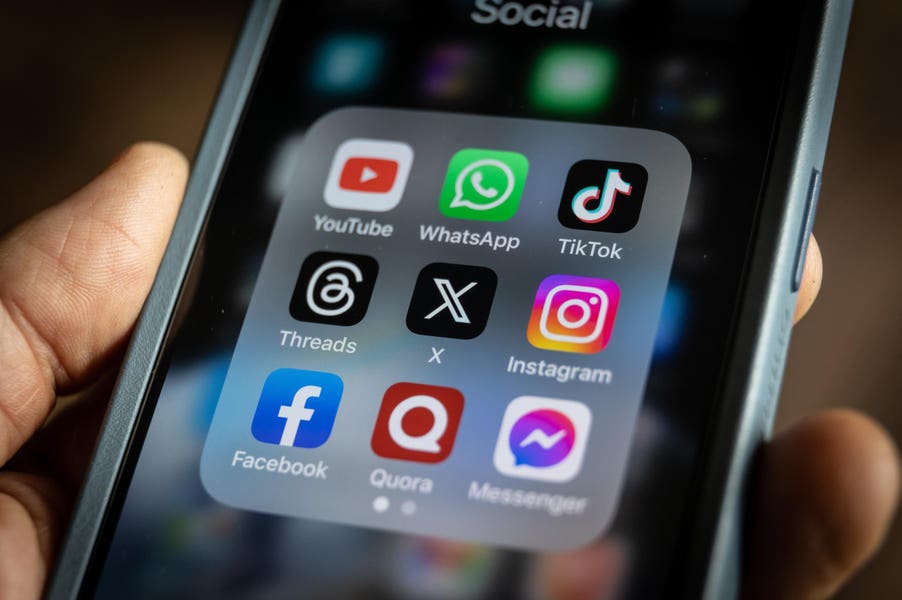
In an age where information spreads like wildfire, the quality of news consumed is paramount. Did you know that a significant portion of social media users frequently engages with poor quality news? This alarming trend not only misinforms but also polarizes public discussion, creating echo chambers that amplify misinformation. Understanding the implications and patterns surrounding poor quality news can help us navigate this challenging media landscape and encourage healthier discourse. In this article, we will explore how social media influencers consumption habits, particularly among conservative audiences, result in a propensity for lower-quality news. We’ll delve into the underlying reasons, the societal effects, and how to combat this growing issue.
The Mechanisms of Poor Quality News Engagement
Recent studies indicate that social media platforms significantly shape news consumption patterns. For instance, researchers conducted an analysis of over 11 million posts originating from various social media channels, ranging from the centrist Twitter/X to more right-wing platforms like Truth Social. Their findings revealed a disturbing tendency: users who post poor quality news links experience higher levels of engagement compared to posts linking to reputable sources. This raises critical questions about how social media algorithms and user behaviors interact to promote misinformation.
The researchers pointed out that this trend is not purely algorithm-driven. Rather, it reflects a fundamental aspect of user preference. As David Rand, a notable professor at Cornell University, states, “It’s not the algorithm; it’s not the user who’s posting it: a user’s posts with lower-quality links get more engagement.” This insight underscores the urgency of addressing our collective consumption habits and the role they play in amplifying poor quality news.
- Social media engagement metrics can misinterpret user trust and satisfaction.
- The focus on sensational content often leads to a disregard for credibility.
How Political Bias Shapes News Quality
A particularly worrisome element of the discussion around poor quality news is its correlation with political bias. The same study demonstrated that users on conservative platforms are more likely to share news that is categorically lower in quality compared to their liberal counterparts. This phenomenon was supported by a year-long study from U.S.-U.K. researchers, which concluded that conservative individuals often disseminate misinformation at a higher rate than liberals.
For example, conservative political elites are noted for sharing links to less credible sources, which further propagates the circulation of poor quality news. This observation reveals that ideological alignment significantly influences the quality of shared information across platforms. The echo chamber effect becomes pronounced when lower-quality content permeates platforms frequented by conservative users, reinforcing existing biases.
One way to understand this phenomenon is through the concept of “echo platforms.” Here, content that aligns with a political group’s beliefs receives superior engagement, reinforcing the cycle of sharing poor quality news. The outcome is a feedback loop that fosters misinformation and dulls people’s critical thinking skills.
Strategies to Tackle Poor Quality News Consumption
Addressing the spread of poor quality news requires a multi-pronged approach. Here are some effective strategies:
- Promote Media Literacy: Educating the public about how to differentiate between reliable and unreliable sources is crucial.
- Encourage Diverse Media Consumption: Engaging with a variety of ideological perspectives can counteract the effects of echo chambers.
- Implement Platform Policies: Social media companies can develop and enforce stricter policies against the promotion of misleading content.
For those interested in the impacts of policy on health information dissemination, you can read more about related challenges in our analyses: the impact of Trump administration policies on health information and health risks associated with current policies.
Recent Findings on Health Misinformation
The COVID-19 pandemic illuminated how poor quality news can proliferate, especially around health-related topics. Controversies surrounding vaccine information have shown that misinformation can have severe repercussions on public health. For instance, recent studies highlight that misinformation was rampant among political conservative circles. These circles not only shared lower-quality news but often did so at a disproportionate rate compared to their liberal counterparts.
Furthermore, the examination of COVID vaccine-related deaths underlines the critical need for accurate health information. Misinformation can deter individuals from obtaining crucial medical care, leading to widening health disparities. This issue predominantly affects communities already struggling with health disparities, as indicated in our analysis of research on health disparities cut by the Trump administration.
As consumers of news, especially social media users, we have the responsibility to challenge poor quality news head-on. Awareness, education, and adaptive strategies are paramount to ensuring a healthier information ecosystem.
To deepen this topic, check our detailed analyses on Social Media section