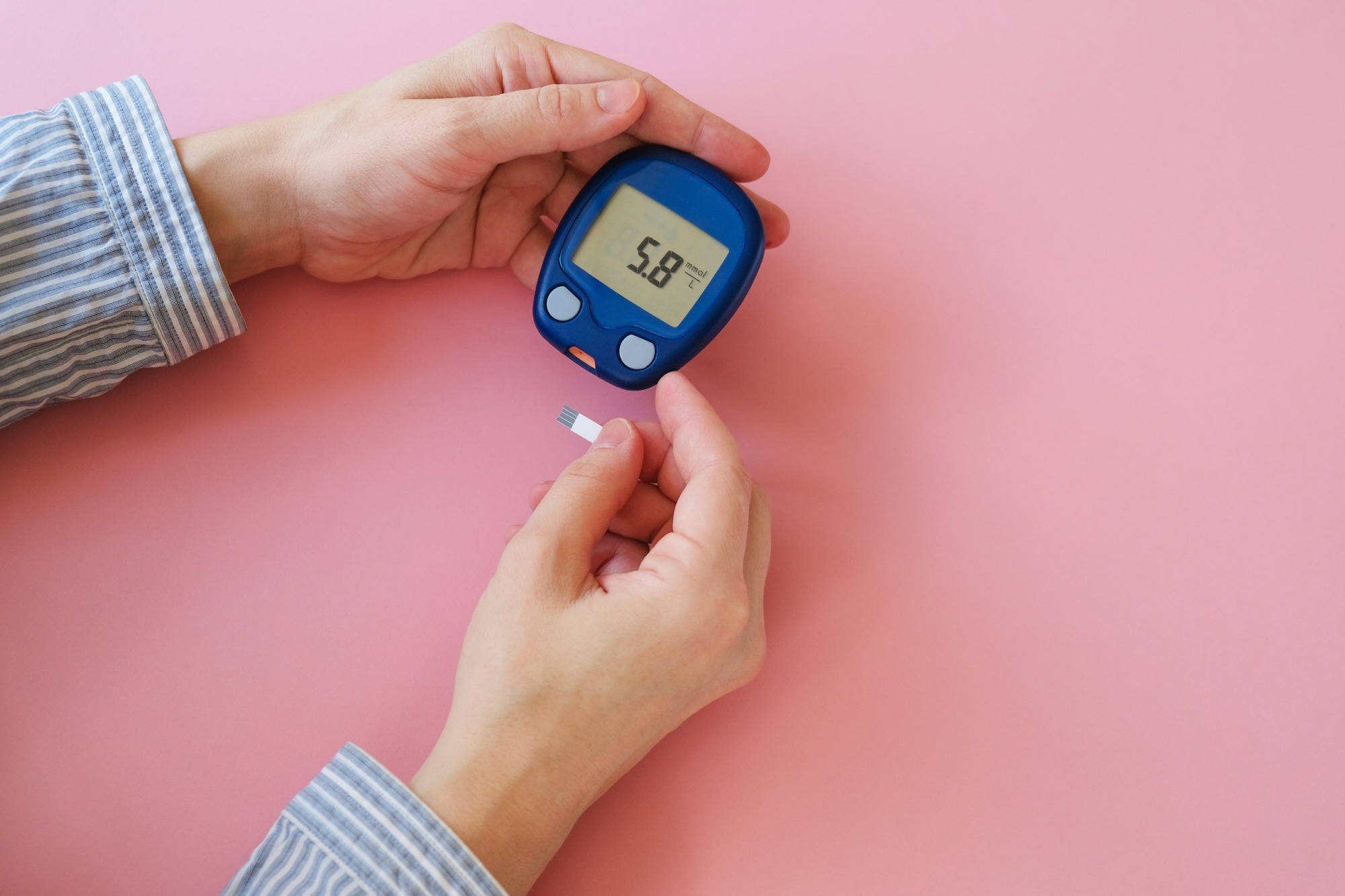
Recent research has shed light on the potential of GLP-1 diabetes remission, emphasizing how this innovative class of medications may transform the lives of individuals diagnosed with type 2 diabetes (T2D). Studies indicate that these medications, known as GLP-1 receptor agonists, can significantly enhance metabolic health and lead to sustained remission from diabetes. For those struggling with the burden of diabetes, the promise of remission is not only a beacon of hope but also a potential pathway to improved overall health.
Understanding GLP-1 Diabetes Remission
GLP-1 diabetes remission refers to a state where individuals with T2D can achieve normal blood sugar levels without the need for glucose-lowering medications. Achieving this state can lead to remarkable health benefits, including reduced risk of cardiovascular and microvascular complications. Research suggests that effective management strategies, particularly weight loss, can significantly enhance the chances of achieving GLP-1 diabetes remission. The mechanisms by which GLP-1 medications contribute to remission involve multiple pathways, influencing both appetite regulation and insulin sensitivity.
The Role of GLP-1 Receptor Agonists in Diabetes Management
GLP-1 receptor agonists play a crucial role in managing T2D. These medications help improve glycemic control, promote weight loss, and reduce the overall risk of diabetes-related complications. Notable GLP-1 drugs include semaglutide, liraglutide, and dulaglutide, each showing varying degrees of effectiveness in achieving diabetes remission. Studies have demonstrated that individuals on these medications experience not only weight loss but also significant drops in HbA1c levels, underscoring their potential in facilitating diabetes remission.
For instance, in a recent Italian study assessing over 14,000 patients, it was found that approximately 5.8% of individuals achieved remission based on specific criteria. The findings highlighted the importance of early intervention and the role of lifestyle changes, such as weight management, in enhancing the effectiveness of GLP-1 therapies. For comprehensive insights into GLP-1 medications, you can explore our article on the science and benefits of GLP-1 drugs.
Key Factors Influencing Remission Rates
Several factors influence the likelihood of achieving GLP-1 diabetes remission. Patients who are newly diagnosed, maintaining lower body mass index (BMI), and experiencing fewer diabetes-related complications tend to have higher rates of remission. Research indicates that sustained weight loss can not only improve diabetes management but also contribute significantly to remission rates, making lifestyle modifications critical.
- Weight Loss: Effective weight loss can dramatically enhance insulin sensitivity and promote metabolic health.
- Treatment Adherence: Consistent use of prescribed GLP-1 medications is crucial for achieving desired health outcomes.
Beyond these factors, the specific type of GLP-1 medication used can also impact success. For example, high-protein diets have shown promise in supporting insulin sensitivity, complementing the effectiveness of GLP-1 therapies.
Impact on Overall Health: Beyond Diabetes Remission
Achieving diabetes remission through GLP-1 therapies can extend beyond blood sugar control. Studies indicate improvements in cardiovascular health markers and kidney function among patients who achieve remission. For instance, patients noted a reduction in the incidence of cardiovascular events and an overall enhancement in quality of life.
Furthermore, as discussed in our analysis of metabolic health diets, there is a growing body of evidence linking these medications to improved long-term health outcomes, making them a vital component of diabetes management strategies.
Conclusion: A Bright Future for Diabetes Management
The promising results associated with GLP-1 diabetes remission indicate a transformative potential for patients battling type 2 diabetes. With ongoing research and advancements in treatment protocols, the prospect of remission is becoming more attainable for many. For actionable insights into improving mental health alongside diabetes management, consider exploring our article on three after-work activities for mental health.
To deepen this topic, check our detailed analyses on Nutrition & Diet section.
Through comprehensive lifestyle changes and continued exploration of GLP-1 receptor agonists, individuals with T2D can look forward to a healthier, more fulfilling life. To learn more about the policy implications surrounding healthcare innovations, view insights in our article on AI in health care.