As veterans transition from military to civilian life, the challenges they face can be overwhelming. An alarming statistic reveals that more than half of veterans who suffer from post-traumatic stress disorder (PTSD) do not receive treatment. However, advances in veteran readjustment technology offer promising solutions. By harnessing innovative tools such as wearables and mobile applications, we can significantly enhance mental health support for these individuals. This article explores how these technologies can facilitate smoother transitions for veterans, while promising actionable solutions.
Understanding the Role of Veteran Readjustment Technology
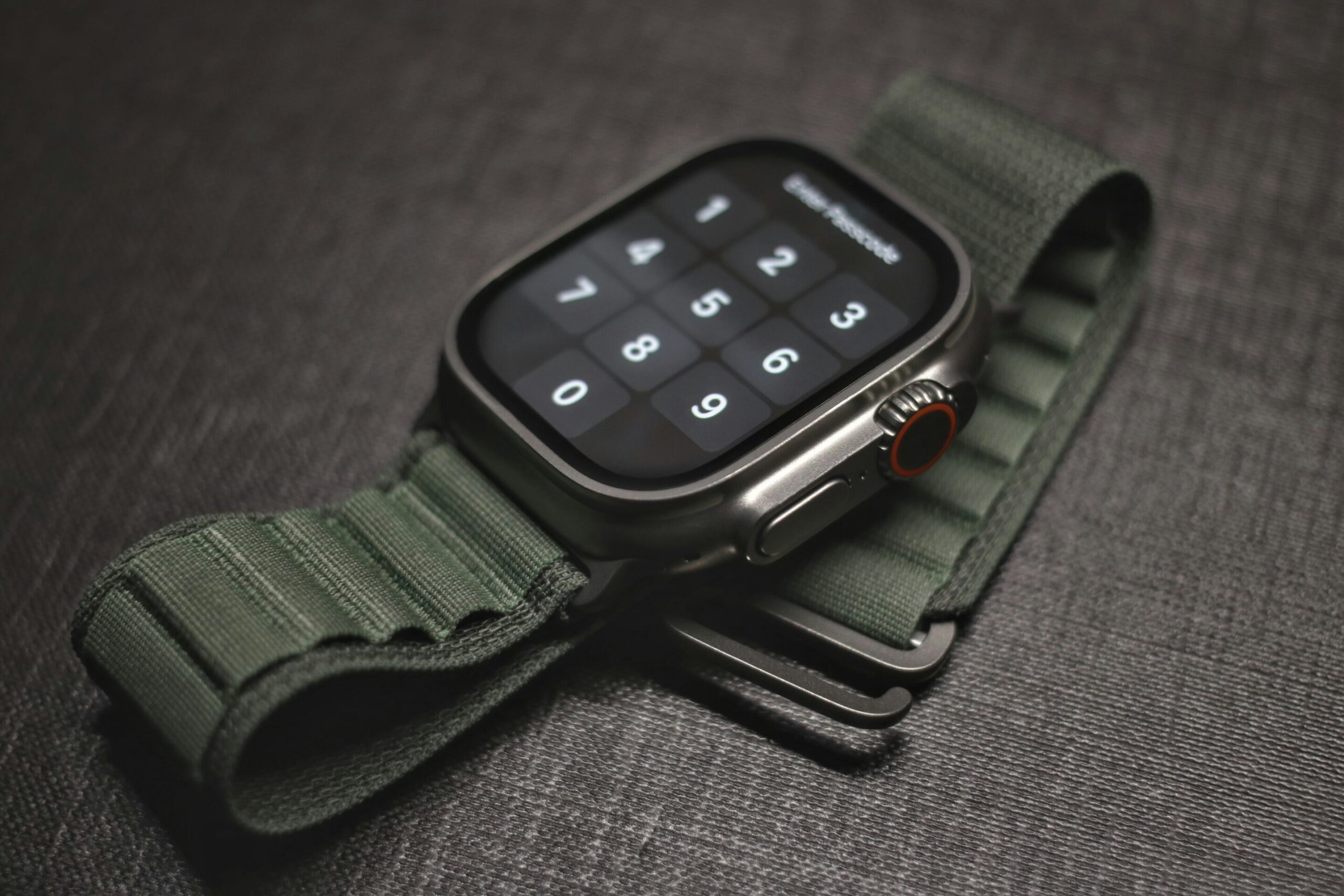
The journey from military service to civilian life is fraught with emotional and psychological hurdles, particularly for those grappling with PTSD. The emergence of veteran readjustment technology allows for a proactive approach in addressing mental health. Wearable devices, such as Fitbits and Apple Watches, are not just fitness trackers; they gather essential data that can be pivotal in mental health management.
Researchers have studied groups of veterans using these technologies to monitor their mood, sleep, and physical activity. This data can help healthcare providers identify symptoms of PTSD and adjust treatment plans accordingly. Integrating real-time data can lead to timely interventions, significantly improving outcomes for veterans. Similar to strategies discussed in our analysis of health tips to boost well-being, these technologies are becoming vital in maintaining a health-conscious lifestyle.
The Benefits of Smart Technologies for Veterans
Innovative technologies provide several benefits that contribute to better mental health among veterans:
- Real-time Monitoring: Wearable devices continuously track vital signs and behaviors, allowing for accurate assessments of a veteran’s emotional state.
- Data-driven Insights: By collecting passive and active data, such as physical activity levels and mood assessments, therapists can make data-backed decisions regarding treatment.
- Greater Accessibility: Veterans can access mental health support from their homes, reducing barriers associated with traditional therapy settings.
With these capabilities, veteran readjustment technology plays a critical role in offering timely support and reducing the stigma often associated with seeking help. The collective insights gathered can lead to personalized treatment plans, addressing the unique needs of each veteran.
Challenges in Implementation and Adoption
While the benefits of veteran readjustment technology are apparent, there are challenges. Many veterans may be hesitant to adopt these technologies due to privacy concerns or a lack of technological comfort. As explored in our earlier research on young investment strategies, overcoming these barriers is essential for broader adoption.
An important consideration is the quality and reliability of the data collected. Veterans might not consistently wear devices or engage with applications, which could lead to data gaps. Furthermore, the sensitivity of mental health data means that veterans might worry about how their information is used—similar concerns arise in discussions about implications of cancer treatment innovations.
A Promising Future with Veteran Readjustment Technology
Continuous research efforts are underway to refine the use of veteran readjustment technology. Studies suggest that combining data from wearables with machine learning models increases predictive capabilities for PTSD and other behavioral health issues. The approach is not unlike those implemented in the study of real estate investment, where data analysis is crucial for informed decisions.
As these technologies advance, they hold great promise for reshaping how veterans receive support. For instance, remote monitoring can alert healthcare professionals about potential escalations in symptoms, enabling proactive intervention. Furthermore, educational initiatives can equip veterans with the knowledge needed to use these technologies effectively, fostering their acceptance while enhancing treatment efficacy.
Conclusion: Bridging the Gap for Veterans
The transition from military to civilian life can be daunting, but veteran readjustment technology offers hope and tangible solutions. By integrating these new tools into everyday life, we can significantly improve mental health outcomes for veterans. This technology not only supports treatment but also elevates overall well-being, helping to bridge the gap between military service and civilian success.
To further explore this vital area, check out our detailed analyses in the Medical Innovations section.