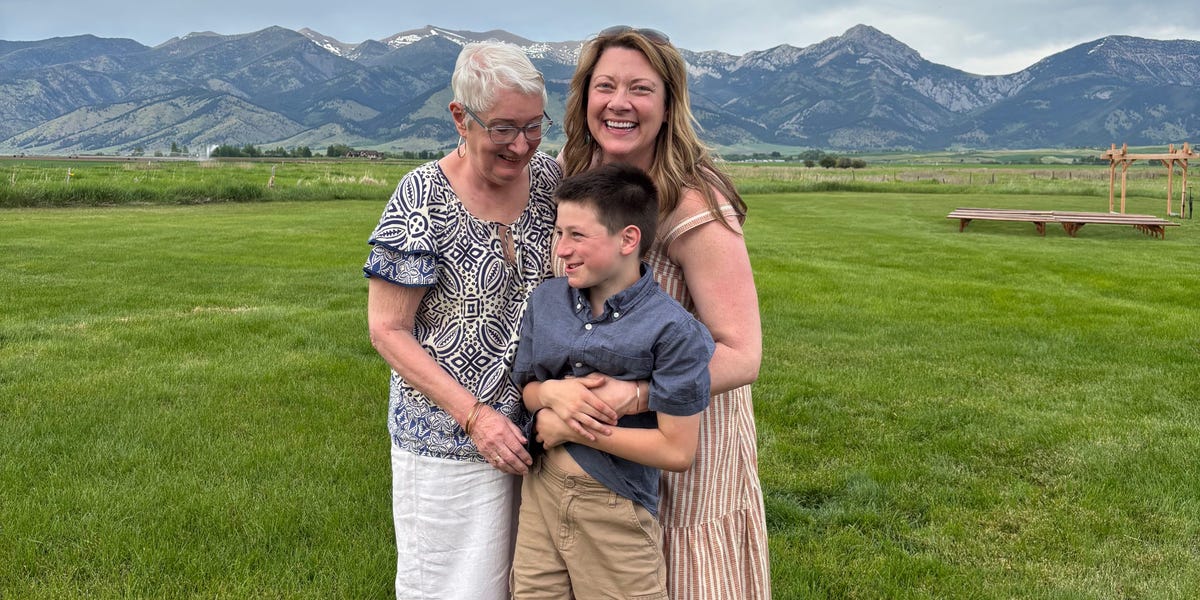
In recent years, the concept of multigenerational living has gained significant traction, driven by a desire for community, deeper family connections, and shared responsibilities. Surprisingly, about 20% of Americans now live in multigenerational households, a trend that reflects changing societal views on family dynamics. This living arrangement offers not only financial benefits but also emotional support and enriched cultural experiences. In this article, we will delve into the profound impact of multigenerational living, highlighting how such arrangements can foster compassion, empathy, and invaluable life lessons across generations.
Understanding Multigenerational Living
Multigenerational living refers to housing arrangements where multiple generations of a family reside together under one roof. This lifestyle often includes grandparents, parents, and children cohabiting, creating a unique familial ecosystem. By sharing responsibilities, families can ease financial burdens, especially in today’s economic climate. For instance, research shows that families can save significantly on housing costs by pooling resources and sharing living expenses. Moreover, this arrangement encourages the exchange of wisdom and traditions, ensuring that cultural values are passed down to younger generations.
The benefits of multigenerational living extend beyond financial aid. Emotional support is another critical advantage. Households that incorporate older generations offer up a stable foundation for younger members, contributing to their psychological well-being. This support system becomes particularly important during distressing life events, as seen during crises like the recent pandemic. As highlighted in our discussion on the importance of seniors’ support in family dynamics, the presence of experienced family members can provide invaluable advice and comfort.
Fostering Empathy Through Shared Experiences
One of the most enriching aspects of multigenerational living is its potential to nurture empathy among family members. Children, in particular, benefit from being raised in environments where they interact regularly with their grandparents and older relatives. These interactions foster a deep sense of empathy, patience, and kindness. For example, a young child might learn to assist their elderly grandparent, reinforcing the idea of responsibility and compassion toward others.
Take the story of Julie Kelley, who shares how her 10-year-old son has become incredibly empathetic through his bond with his 81-year-old grandmother. Living together has allowed him to develop a unique relationship with her, where he sees her as a role model rather than simply an older relative. This closeness cultivates understanding and a sense of care, shaping his personality and interactions with his peers. He actively helps her, whether by offering support with her walker or rushing to her aid when she’s in need, displaying the compassion that multigenerational living can inspire.
Building Lasting Family Memories
Multigenerational living is also an avenue for creating cherished family memories that span generations. Shared experiences, such as family vacations or celebrating milestones together, can strengthen the bonds between family members. For instance, taking a road trip together, as Julie did with her son and mother, can create lasting memories filled with laughter and learning. These moments allow younger generations to understand their family history and heritage through stories shared by older relatives.
Such situations can enrich children’s lives and provide them with a broader perspective on life. As seen in Julie’s experience, these trips also allow grandparents to mentor their grandchildren, enhancing learning in practical and engaging ways. This journey of intergenerational wisdom is invaluable, offering lessons that traditional schooling may overlook.
Navigating Challenges Together
While multigenerational living brings numerous benefits, it’s not without its challenges. Conflicts may arise due to differing lifestyles, opinions, or expectations. Implementing clear communication and setting boundaries can help mitigate these issues. For instance, establishing dedicated spaces or encouraging personal time can promote harmony within the household. A crucial element is ensuring everyone feels their needs are recognized and met.
Additionally, families can benefit from exploring resources related to effective communication, similar to strategies discussed in our analysis of learning empathy through intergenerational family relationships. Understanding each other’s perspectives can foster respect and harmony in shared living spaces.
The Future of Family Dynamics
The rise of multigenerational living can potentially reshape family structures for the better. As more families embrace this way of life, society may witness shifts in caregiving practices, emotional connections, and shared responsibility. Parents and grandparents can work together to guide children in becoming responsible and compassionate adults, paving the way for a cooperative lifestyle that benefits all generations. Moreover, as highlighted in our research on the impact of sending kids to grandparents on family memories, fostering these connections can lead to stronger family bonds and collective resilience.
In conclusion, multigenerational living cultivates nurturing environments that enrich familial relationships, emotional support, and invaluable life lessons. Families that embrace this dynamic create legacies of empathy, respect, and cherished memories that strengthen their ties. As this trend continues to grow, it opens the door to a brighter future for generations to come.
To deepen this topic, check our detailed analyses on Parenting section.