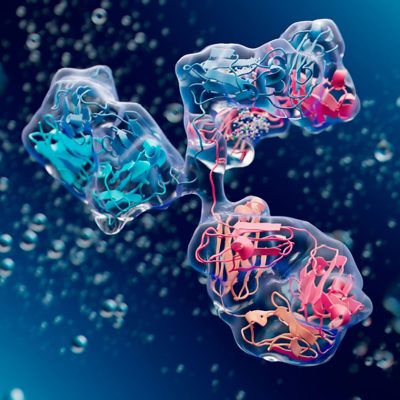
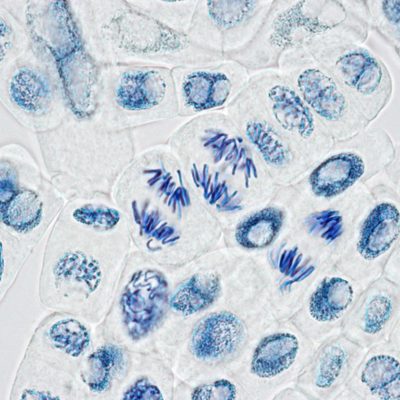
In the quest to unravel the complexities of neurological diseases, researchers are turning their attention toward innovative models that offer unique insights into brain function. One of the most promising developments in this field is the use of organoids neurological disease modeling, which utilizes brain organoids, also known as mini brains, to replicate human brain development and pathology. This approach not only enhances our understanding of neurodevelopmental disorders but also aids in the exploration of potential therapeutic strategies. What’s astonishing is that, according to recent studies, these organoids can closely mimic age-related neurodegeneration, presenting a revolutionary tool for scientists. As we delve deeper into this topic, we will explore how organoids are reshaping our comprehension of neurological diseases and what breakthroughs they might bring to the future of medicine.
Understanding Organoids in the Context of Neurological Disorders
Organoids are 3D structures derived from human pluripotent stem cells that replicate the cellular architecture and complex functions of real organs. In the realm of neurological disease research, organoids neurological disease modeling enables scientists to create a miniature version of the human brain. This facilitates comprehensive investigations into the mechanisms underlying various neurological disorders, such as Alzheimer’s and Parkinson’s disease.
- Brain organoids serve as patient-specific models, allowing researchers to study the individual responses to different treatments.
- They provide a unique platform for examining gene-environment interactions that might contribute to disease development.
For instance, the potential to model aging processes in organoids has opened new avenues for understanding neurological degeneration. Recent findings indicate that organoids can exhibit characteristics of age-related senescence, which mirrors the decline in cognitive functions seen in aging populations.
The Importance of Accurate Neurological Disease Modeling
The accurate modeling of neurological diseases through organoids neurological disease is crucial for several reasons. Firstly, traditional animal models often fail to completely replicate human-specific neurobiology. Organoids bypass this challenge by offering a system that closely resembles human brain tissue. This attribute significantly enhances the translational potential of the research findings.
Furthermore, organoids facilitate drug screening and development processes by allowing researchers to test therapeutic candidates in a controlled environment that behaves like human brain tissues. For example, breakthrough studies have demonstrated that specific medications can elicit different responses when tested on organoids derived from patients with varying genetic backgrounds.
Additionally, research related to brainstem damage from COVID-19 has highlighted the need for advanced modeling techniques to understand long-term neurological effects. Organoids could become integral to this ongoing research, offering insights that could translate into better patient care.
Applications of Organoids in Neurodevelopment Research
The implementation of organoids in neurodevelopment research has proven to be transformative. Scientists are leveraging organoids neurological disease to explore critical aspects of neurodevelopment, such as synaptogenesis and neural circuit formation. The ability to study these processes in vitro opens doors to understanding how disruptions in neural development can lead to conditions like autism spectrum disorders and schizophrenia.
- Organoids can be used to investigate the impact of environmental factors on brain development.
- They enable the study of genetic mutations and their effects on neurodevelopment in a controlled setting.
This research is vital, as evidenced by findings detailing how certain environmental toxins can disrupt neural processes, suggesting a link to the rising prevalence of neurodevelopmental disorders. By simulating these interactions in organoids, researchers can uncover potential interventions and preventative strategies.
Potential Future Therapies Derived from Organoid Research
The future of neurological disease therapies is bright, thanks in part to the groundwork laid by organoids neurological disease research. As organoid technology continues to evolve, so does its application in therapeutic development. One exciting prospect is the potential for organoid-derived neurons to reshape treatment approaches for neurodegenerative diseases through cell replacement strategies.
Moreover, ongoing studies are investigating how organoids can be utilized to test existing drugs or combinations of drugs for efficacy against specific neurological conditions. This is akin to methodologies observed in related studies about alcohol and blood pressure, where environmental influences are assessed for their effects on health outcomes.
Challenges and Considerations in Organoid Research
While the benefits of using organoids neurological disease modeling are substantial, several challenges remain. The complexity of organoid culture, the high variability among different organoids, and the duration required to develop mature organoids are all factors that researchers must contend with. Strikingly, as shown in our exploration of fashion brands impacting mental health, addressing environmental influences is also crucial in ensuring that organoid models accurately reflect the conditions they aim to simulate.
Future research will need to focus on optimizing organoid development processes to produce more stable and consistent models. Additionally, researchers must find solutions that enhance the fidelity of these models to actual human conditions, ensuring that findings translate effectively into clinical applications.
To deepen this topic, check our detailed analyses on Public Health section.