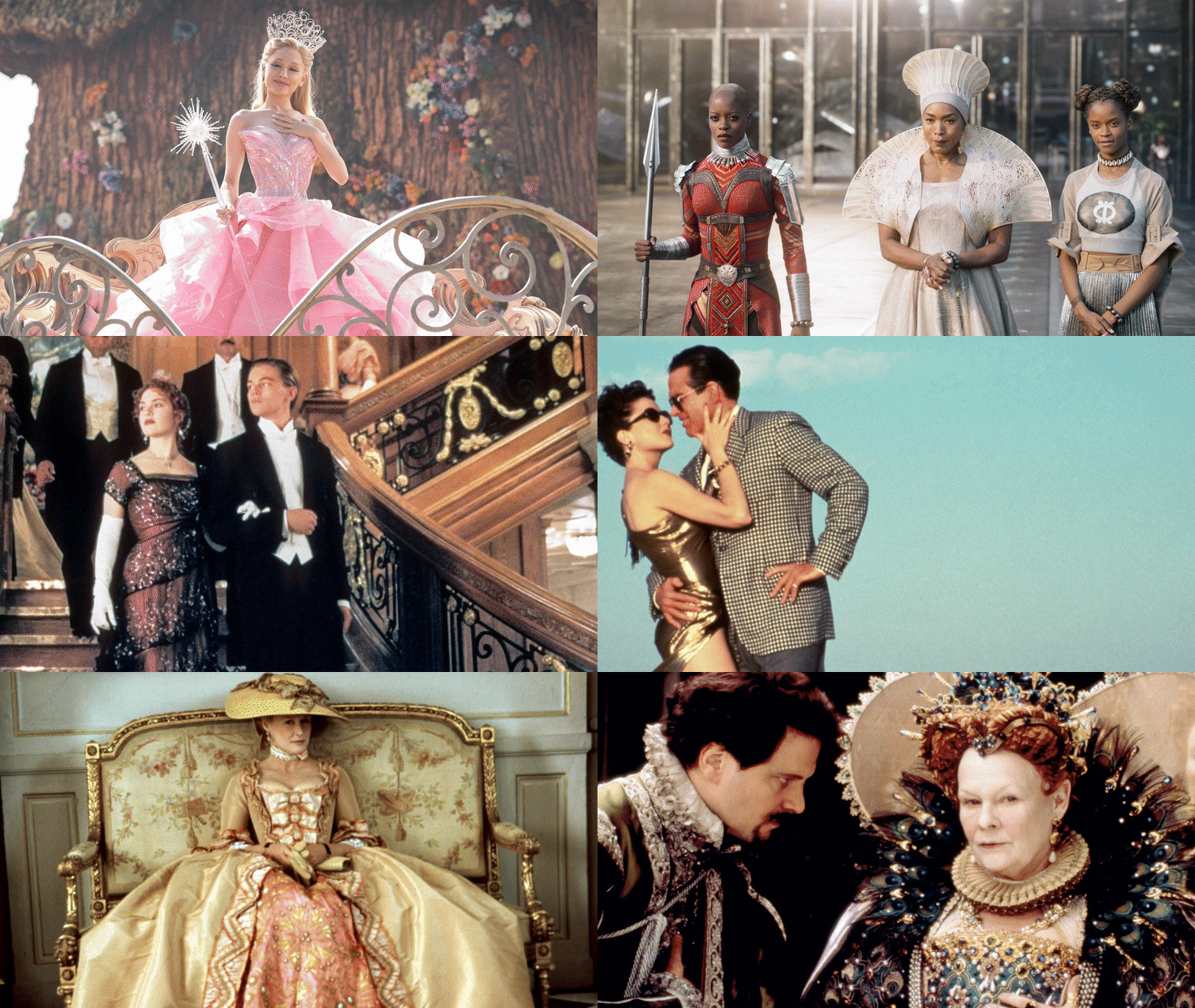
Throughout the history of the Academy Awards, the Oscar Best Costume Design category has celebrated the artistry and creativity behind the costumes that define cinematic storytelling. It’s astounding to consider that in 97 years of the Oscars, the award for Best Costume Design has been given 94 times, though it was officially established in 1949—20 years after the inaugural ceremony. This prestigious accolade highlights the crucial role that costume design plays in bringing characters and narratives to life, allowing audiences to connect deeply with the stories on screen.
Imagine iconic characters without their unforgettable outfits: Dorothy Gale wouldn’t be as memorable without her striking ruby red slippers, and Princess Leia’s impact would be diminished without her iconic white dress. The award has recognized the talents of many innovators within the field, including the legendary Edith Head, an eight-time winner who crafted some of Audrey Hepburn’s most beloved looks. As we dive deeper into the fascinating world of the Oscar Best Costume Design award, we will explore past winners, recurring themes, and the influence of costume designers on cinematic history.
Understanding the Oscar Best Costume Design Award
The Oscar Best Costume Design award celebrates the magic of fashion in film, recognizing designers who transform the script into visual masterpieces. The significance of this award can be seen through the various styles and thematic elements chosen by winners over the years. For instance, Shakespearean narratives and period pieces dominate past awards, showcasing the Academy’s fondness for historical accuracy and attention to detail.
Moreover, the Academy has shown recurrent fascination with films that represent the evolution of fashion. From the romantic elegance portrayed in “Roman Holiday” to the vibrant and explosive styles of “Black Panther: Wakanda Forever,” costumes not only serve aesthetic purposes but also encapsulate the film’s spirit.
Some of the most renowned winners of this award include:
- Edith Head, celebrated for her work in classics like “Sabrina” and “The Ten Commandments.”
- Milena Canonero, known for her innovative designs in films such as “Barry Lyndon” and “Marie Antoinette.”
These esteemed designers have contributed significantly to the art of costume design and have paved the way for future generations in the industry.
Recurring Themes in Oscar-Winning Costumes
When analyzing Oscar Best Costume Design winners, specific trends and themes tend to emerge. For example, films based on classic literature, such as “Hamlet” and “Romeo and Juliet,” frequently receive nominations or awards. The Academy’s appreciation for adaptation from the literary world hints at a desire for authenticity and profundity in storytelling.
Additionally, films that explore futuristic themes, such as “Mad Max: Fury Road” and the “Black Panther” series, also captivate the Academy. These films offer a fresh take on costume design, pushing the boundaries of creativity and imagination.
Key factors that contribute to the success of these designs include:
- Authentic historical representation.
- Strong connection between costumes and character development.
- Innovative use of materials and techniques.
Understanding these components can provide insight into why certain films are awarded in this category.
Notable Winners of the Oscar Best Costume Design
Examining the list of Oscar Best Costume Design winners reveals a treasure trove of cinematic history. Noteworthy films include “The Great Gatsby,” which was recognized for its impeccable costume work in both 1974 and 2013. This film encapsulates the lavish and opulent styles of the Jazz Age, showcasing how costume design can transform the viewing experience.
Another standout is “Cruella,” which won the Oscar for its vibrant and extravagant costumes that encapsulated the rebellious spirit of its titular character. The film’s designs not only served the narrative but also set fashion trends that resonated with audiences worldwide.
Recent winners, like “Black Panther: Wakanda Forever,” demonstrate the continued evolution and relevance of costume design in contemporary cinema, reflecting cultural stories and diverse backgrounds.
The Future of Oscar Best Costume Design
As we look towards the future, the Oscar Best Costume Design award will undoubtedly continue to evolve. What’s exciting is the increasing influence of technology and digital design in costume creation. Virtual reality and digital fabric technologies are emerging, allowing designers to craft costumes in groundbreaking ways, leading to more imaginative storytelling.
The growing representation of diverse narratives also suggests that we will likely see a broader range of cultures and styles acknowledged in upcoming ceremonies. Films that reflect stories from around the world, like “Everything Everywhere All at Once,” are paving the way for a more inclusive understanding of costume design, encouraging innovation and experimentation.
Conclusion: The Legacy of Oscar Best Costume Design
In summary, the Oscar Best Costume Design award not only honors the talent and vision of costume designers but also enriches the film-watching experience. As cinematography progresses, the importance of costumes becomes increasingly pronounced. They not only define characters but also serve as an essential narrative device. The future is bright for this award, as it reflects the creativity and cultural evolution of fashion in film.
To deepen this topic, check our detailed analyses on Fashion & Style section.